


What Is Criminal Justice?
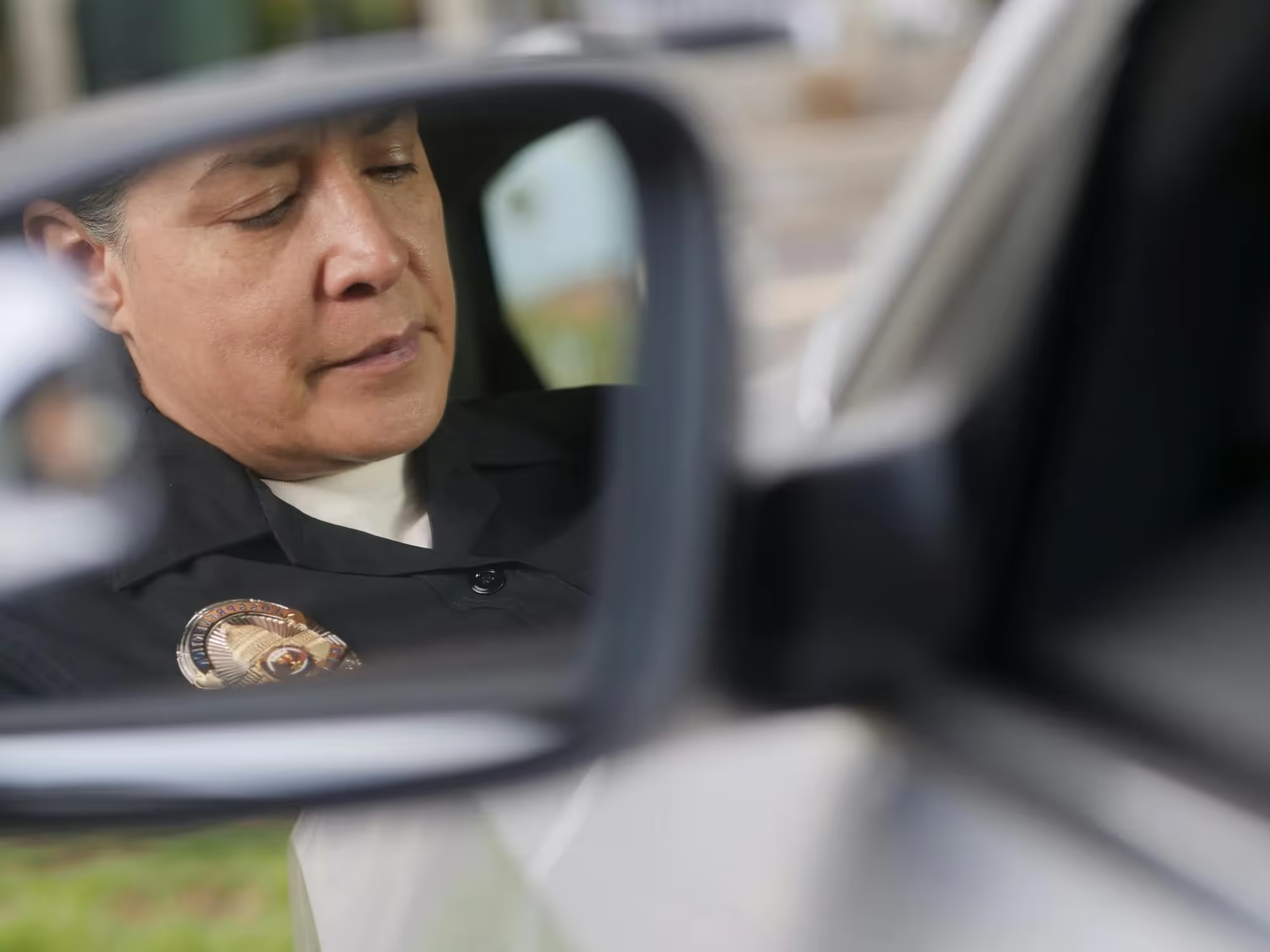
Criminal justice is the system that handles crime in society. It includes police, courts, and corrections. These parts work together to investigate crimes, hold trials, and manage offenders. You encounter criminal justice systems from traffic stops to major investigations.
This field serves to keep public order, protect individuals, and ensure justice is done. Criminal justice careers offer stability, a sense of purpose, and many career paths. Search queries about how criminal justice works and what roles are available show growing public interest in understanding each step.
Key Components of the Criminal Justice System
When you think of criminal justice, you likely picture police officers or courtrooms. There’s more to it. The system includes three main parts. Each area interacts with the others to bring justice and fairness.
Law Enforcement
Police and sheriff’s departments fall under law enforcement. Officers:
- Enforce laws
- Investigate crimes
- Arrest suspects
- Serve communities through prevention and safety
Law enforcement is the first step in the criminal justice process.
The Courts
The courts decide if someone is guilty or not. The court system includes:
- Judges
- Prosecutors
- Defense attorneys
- Juries
Court hearings ensure every person gets a fair process protected by rights under the Constitution.
Corrections
Corrections handle all forms of punishment and rehabilitation. This sector includes:
- Jails
- Prisons
- Probation officers
- Parole officers
Corrections aim to manage, supervise, and sometimes rehabilitate offenders after sentencing.
Roles and Jobs in Criminal Justice
Career options in criminal justice are diverse. Whether you want to work on the streets or in an office, many roles are open to you:
- Police officer
- Detective
- Forensic scientist
- Probation or parole officer
- Correctional officer
- Court clerk
- Criminal investigator
- Victim advocate
- Federal agent (FBI, DEA, ATF)
Each role serves a different purpose but is vital to the system’s functioning.
Typical Skills Needed
When considering a criminal justice career, you need:
- Strong communication
- Problem-solving skills
- Ethical judgment
- Attention to detail
- Empathy and resilience
Many roles require a degree or training in criminal justice or law enforcement. Ongoing training is also common as laws and technology change.
How a Case Moves Through the Criminal Justice System
Understanding the criminal justice process helps you see the big picture. Here’s a simplified chain of events:
- Crime Occurs: A law is broken. Police get involved.
- Investigation: Officers gather facts and evidence.
- Arrest: Suspect is taken into custody if there is probable cause.
- Booking and Bail: Suspect is processed. Bail may be set.
- Arraignment: Charges are read in court. Suspect pleads guilty or not guilty.
- Trial: Both sides present evidence. Judge or jury decides guilt.
- Sentencing: If guilty, court decides punishment.
- Corrections: Subject serves sentence or enters rehabilitation or probation programs.
Some cases do not go to trial. Many resolve with plea bargains to save time and resources.
Why Is Criminal Justice Important?
The criminal justice system keeps communities safe. It works to ensure lawbreakers face consequences. But it also protects the innocent and upholds rights.
A good system prevents crime, holds people accountable, and offers second chances through rehabilitation. Effective criminal justice also builds trust. Everyone must believe the process is fair, transparent, and serves the community’s best interests.
Keeping the system balanced is crucial. Reform discussions continue to tackle issues like:
- Reducing wrongful convictions
- Addressing racial disparities
- Increasing transparency and trust
- Focusing on rehabilitation and reentry
You play a role by staying informed, serving on juries, or supporting fair practices in your area.
Education and Training in Criminal Justice Careers
Career paths in criminal justice often start with the right education. You can choose from:
- Associate degree in criminal justice
- Bachelor’s degree programs
- Police academy or law enforcement training
- Specialized certificates or graduate programs
Some federal and investigative roles need a four-year degree or more. Others, like local police, may start with high school plus academy training. Continuing education is key as laws evolve and new technology emerges in policing, investigations, and corrections.
Salary and Job Outlook
Criminal justice salaries depend on your position and location. Police and detectives in the U.S. earn a median annual wage of $69,160 according to 2022 U.S. Bureau of Labor Statistics data (BLS).
Job growth is steady, especially for roles in cybersecurity, forensic science, and community-based corrections. Demand for ethical, well-trained workers remains high as society continues to prioritize safety and justice.
Frequently Asked Questions
What are the main parts of the criminal justice system?
The main parts are law enforcement, courts, and corrections. Each part has its own role in handling crime and justice.
How does a case move through the criminal justice system?
A case starts with a crime and police investigation, followed by arrest, court proceedings, and then sentencing or corrections if found guilty.
What jobs can I get with a criminal justice degree?
You can work as a police officer, detective, forensic scientist, probation or parole officer, court clerk, or federal agent.
Is a career in criminal justice stable?
Careers in criminal justice are stable, with steady job growth and ongoing demand for trained professionals.
What is the average salary for police officers in the U.S.?
The median annual wage for police officers and detectives in the U.S. is $69,160 as of 2022, according to the Bureau of Labor Statistics.





.svg)


