


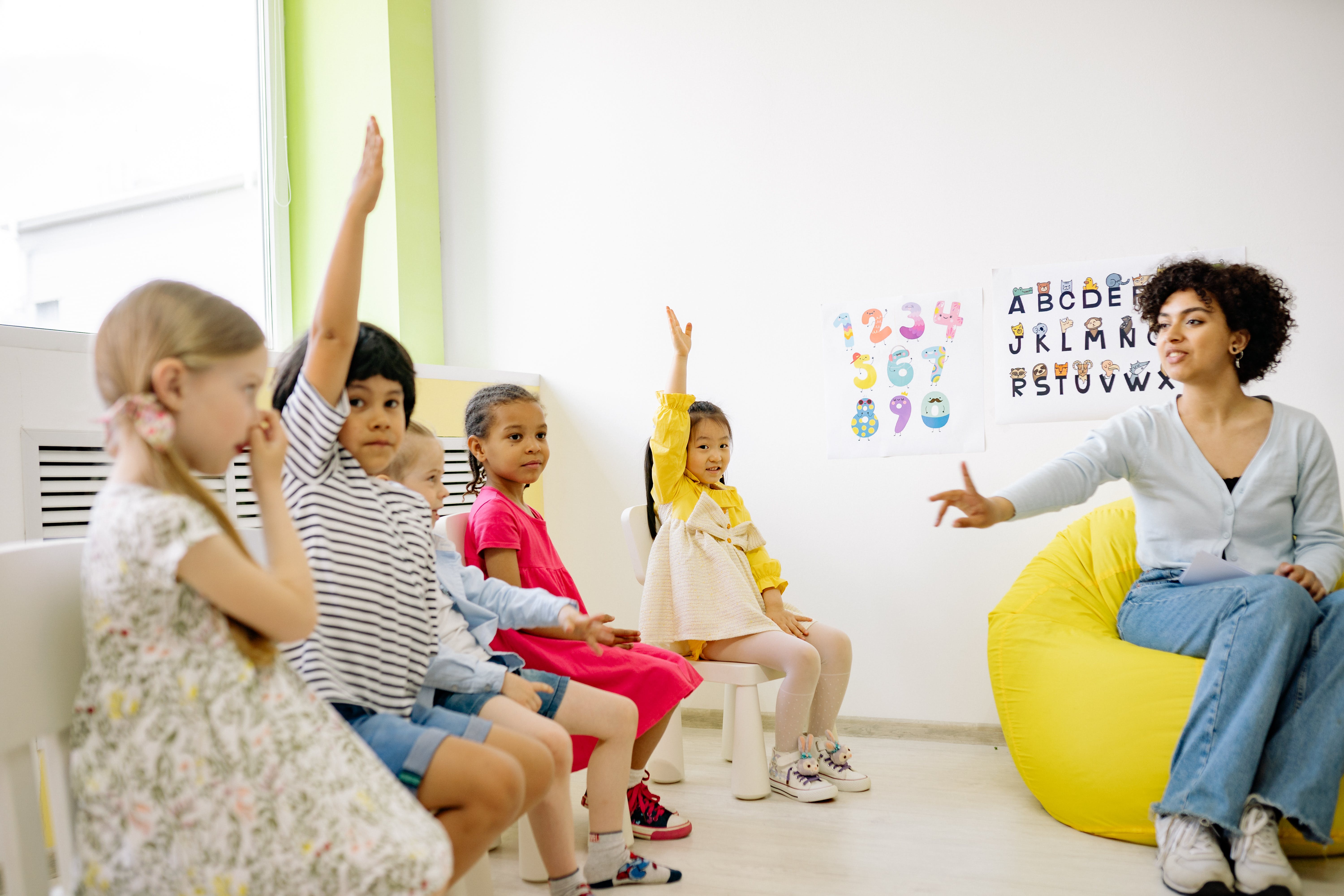
Understanding Early Childhood Education Fundamentals
Early childhood education lays the groundwork for lifelong learning. The basics center on children from birth to age 8, a critical period for cognitive, emotional, social, and physical development. During these years, you help children form essential skills, attitudes, and habits through meaningful play and guided activities. A well-structured early learning environment supports curiosity, fosters self-esteem, and sparks a love of learning.
Key elements of early childhood education include:
- Active, hands-on learning
- Safe and nurturing classroom spaces
- Social interaction and communication
- Individualized attention
- Emphasis on emotional well-being
These core principles reflect what research says children need most during their early years.
Core Building Blocks of Learning in Early Childhood
1. Social and Emotional Development
Building healthy relationships forms the backbone of early learning. You guide children in managing emotions, sharing, cooperating, and resolving conflicts. Programs that focus on self-regulation, empathy, and persistence help children succeed later in school and life. Strong emotional skills make it easier for kids to engage and learn with others.
2. Cognitive and Language Skills
Your role is to offer activities that build critical thinking, problem-solving, and communication skills. Early math, literacy, and science concepts appear in simple games, stories, and conversations. Encouraging children to ask questions, explore, and use new words develops both their vocabulary and their love of learning.
- Storytelling and read-alouds
- Hands-on science and math games
- Music and rhythm activities
- Puzzles and memory challenges
3. Physical Development and Motor Skills
Gross motor skills, such as jumping and running, plus fine motor skills, like drawing and building, are vital. You support these through outdoor play, art projects, and movement games. Physical activity boosts brain development and helps children build coordination, balance, and healthy routines.
4. Play-Based Learning and Exploration
Learning through play is central to best practice in early childhood education. Guided play sparks curiosity, creativity, and active problem-solving. When you allow children to experiment and discover, they gain confidence in their abilities.
- Imaginative games
- Building with blocks and loose parts
- Role-playing activities
- Nature exploration
How Young Children Learn Best
Children learn best in supportive environments with caring adults. You can create routines and a sense of safety, which helps learners feel comfortable taking risks and making mistakes. When you listen to children, follow their interests, and allow choice, you empower them to participate and express themselves.
Encourage active learning through:
- Open-ended questions
- Individual and group projects
- Movement and music
- Opportunities for self-expression
Consistent support and lots of encouragement build resilience and independence.
Key Principles in High-Quality Early Childhood Education
Respect for Each Child’s Uniqueness
Every child learns in their own way. You tailor activities to support different cultures, abilities, and learning styles. Inclusion promotes self-awareness and mutual respect.
Family Engagement
Families are essential partners in early childhood education. When you communicate, share progress, and invite families to participate, you build a strong support system for each child’s growth.
Professional Guidance and Safety
Qualified early childhood educators ensure children’s safety and developmental progress. Ongoing training, clear policies, and safe environments allow each child the best start.
Why Early Learning Foundations Matter for Future Success
Foundational skills built in early childhood predict future achievement. Children who develop strong language, problem-solving, and social skills in early years are more likely to do well in school and beyond. The habits and attitudes formed now support lifelong health, learning, and well-being.
- Stronger academic performance in later grades
- Improved social skills and peer relationships
- Greater self-confidence and independence
- Resilience in facing challenges
Frequently Asked Questions
What are the main building blocks of early childhood learning?
The main building blocks are social and emotional skills, cognitive and language development, physical growth, and play-based learning.
Why is early childhood education important?
Early childhood education supports brain development, school readiness, and lifelong success by building foundational skills and positive learning habits.
How do young children learn best?
Young children learn best through play, hands-on activities, and supportive interactions with caring adults.
What role does family involvement play in early learning?
Family involvement enhances early learning by providing consistent support, encouragement, and opportunities for growth at home and in educational settings.
What skills do children develop in early childhood programs?
Children develop communication, problem-solving, social, motor, emotional, and early academic skills in high-quality early childhood programs.



.svg)


