


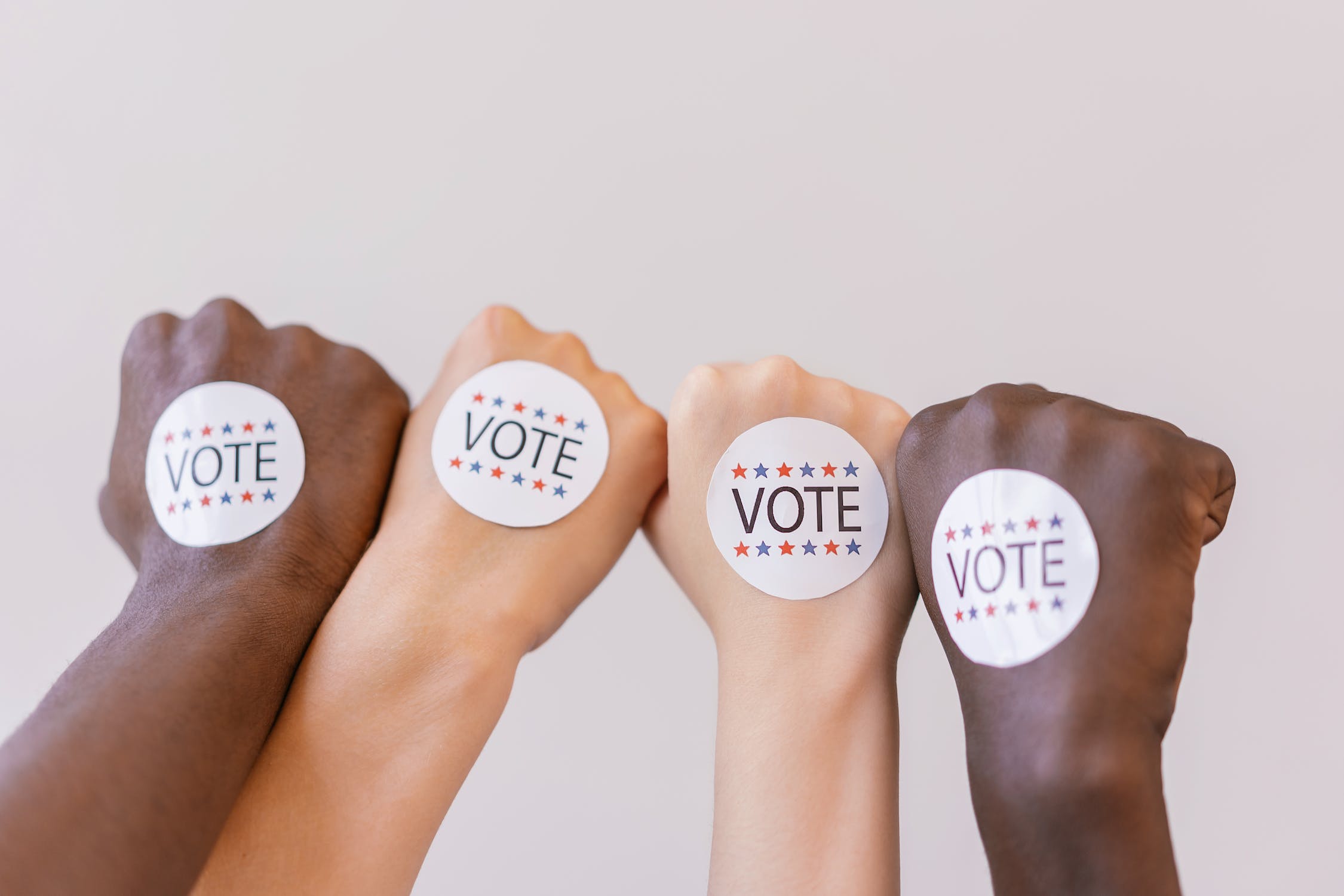
Understanding the Journey: Political Science and Campaigns
As a political science student, you explore the energy, complexities, and lessons woven through campaign trails and policy creation. This guide offers a roadmap using top political science student strategies. It dives into how campaigns operate, why policy matters, and how you can participate effectively.
Whether aiming for public office, advocacy, or analysis, understanding the political process strengthens your skills and opens doors. Let’s break down these essential topics with actionable tips and real-world relevance.
What Is a Political Campaign?
A political campaign is an organized effort to influence voters during an election. Campaign teams use strategy, messaging, and outreach to share political goals. As a student, learning campaign basics helps you ask the right questions and evaluate political outcomes.
- Building a candidate profile
- Understanding voter targeting
- Using data to guide decisions
- Crafting persuasive messages
- Running ground and digital operations
Campaigns blend theory from your political science coursework with practical challenges. They showcase the intersection between democracy, media, and community engagement. Getting involved—through internships or volunteering—offers hands-on experience beyond textbooks.
The Role of Policy in Politics
Policy is more than lawmaking. It’s the process of shaping society through decision-making. Policies impact education, healthcare, environment, and justice. Political science students study these policies to understand what shapes outcomes in communities and nations.
- Policy research and analysis
- Stakeholder engagement
- Process of turning ideas into laws
- Evaluating social and economic impact
- Monitoring policy implementation
Understanding policy takes you from theory to action. You learn how evidence informs debate, builds consensus, and drives reforms. These skills are valuable in think tanks, government roles, and advocacy organizations.
Key Skills for Political Science Students on the Campaign Trail
Success on the campaign trail requires both soft and hard skills. These skills also build a strong political science resume and support career growth.
- Communication: Develop writing and public speaking for clear, persuasive messages.
- Critical Thinking: Evaluate policies and platforms to detect bias and strategy.
- Research: Fact-check data, review sources, and synthesize information quickly.
- Organization: Manage tight schedules, events, and volunteer teams.
- Teamwork: Collaborate with diverse groups to reach common goals.
These core skills make you an asset in campaigning, policy research, or legislative support roles. They also build confidence and adaptability in fast-changing scenarios.
How Political Science Students Can Get Involved
Early involvement in campaigns and policymaking gives you a head start. You connect classroom theory to real action. Most students start with:
- Local campaign internships or fieldwork
- Volunteer shifts for candidates or ballot initiatives
- Attending city council meetings or debates
- Participating in policy advocacy groups
- Joining student government or model legislature clubs
Look for campus programs, fellowship opportunities, and nonpartisan organizations. These experiences deepen your understanding and help build professional networks. They are critical when applying for political science jobs with real-world expectations.
Major Milestones in a Political Campaign
Political campaigns follow a series of classic milestones. Knowing these helps you understand the flow and key decision points:
- Announcement: Candidate declares intention to run
- Primary Elections: Party members choose their nominee
- General Election: Main electoral race, usually between party nominees
- Debates and Forums: Candidates present policies to voters
- Get Out the Vote (GOTV): Efforts to maximize voter turnout
Each phase involves unique strategies, regulations, and communication methods. Political science students often join at any stage to learn campaigning from the inside.
Analyzing Policy Creation and Impact
Political science isn’t just about elections. You also study how ideas shape laws and government action. The process includes:
- Identifying a policy problem
- Proposing solutions using research
- Working with stakeholders and experts
- Drafting and amending legislation
- Implementation by government agencies
- Continuous policy evaluation and revision
This policy journey is central to every political role. Understanding its mechanics lets you advance research, deliver evidence-based advocacy, or analyze outcomes for consulting and think tank roles.
Essential Resources and Tools for Political Science Students
Maximize your learning with digital tools and professional networks. Key resources for students include:
- Political databases: Track legislation, campaign finance, and voting records
- News sites and policy journals: Read the latest analysis and trends
- Professional associations: APSA and similar groups connect you to mentors and jobs
- Online forums and webinars: Discuss ideas and get expert advice outside the classroom
- Internship boards and career centers: Identify hands-on opportunities early
Using these resources gives you practical knowledge and expands your outlook. Stay curious and proactive throughout your studies to build a powerful foundation in political science.
Frequently Asked Questions
What do political science students do on campaign trails?
Political science students help with voter outreach, event planning, research, and data analysis on campaign trails.
Why is policy analysis important for political science students?
Policy analysis teaches political science students how laws affect society and prepares them to influence positive change.
How can students find political campaign internships?
Students find political campaign internships through university career centers, political party offices, and online job boards.
What skills do political science students need for policy work?
Political science students need research, communication, critical thinking, and teamwork skills for effective policy work.
What resources help political science students study campaigns and policies?
Political science students use political databases, policy journals, professional associations, and online forums to study campaigns and policies.




.svg)


