


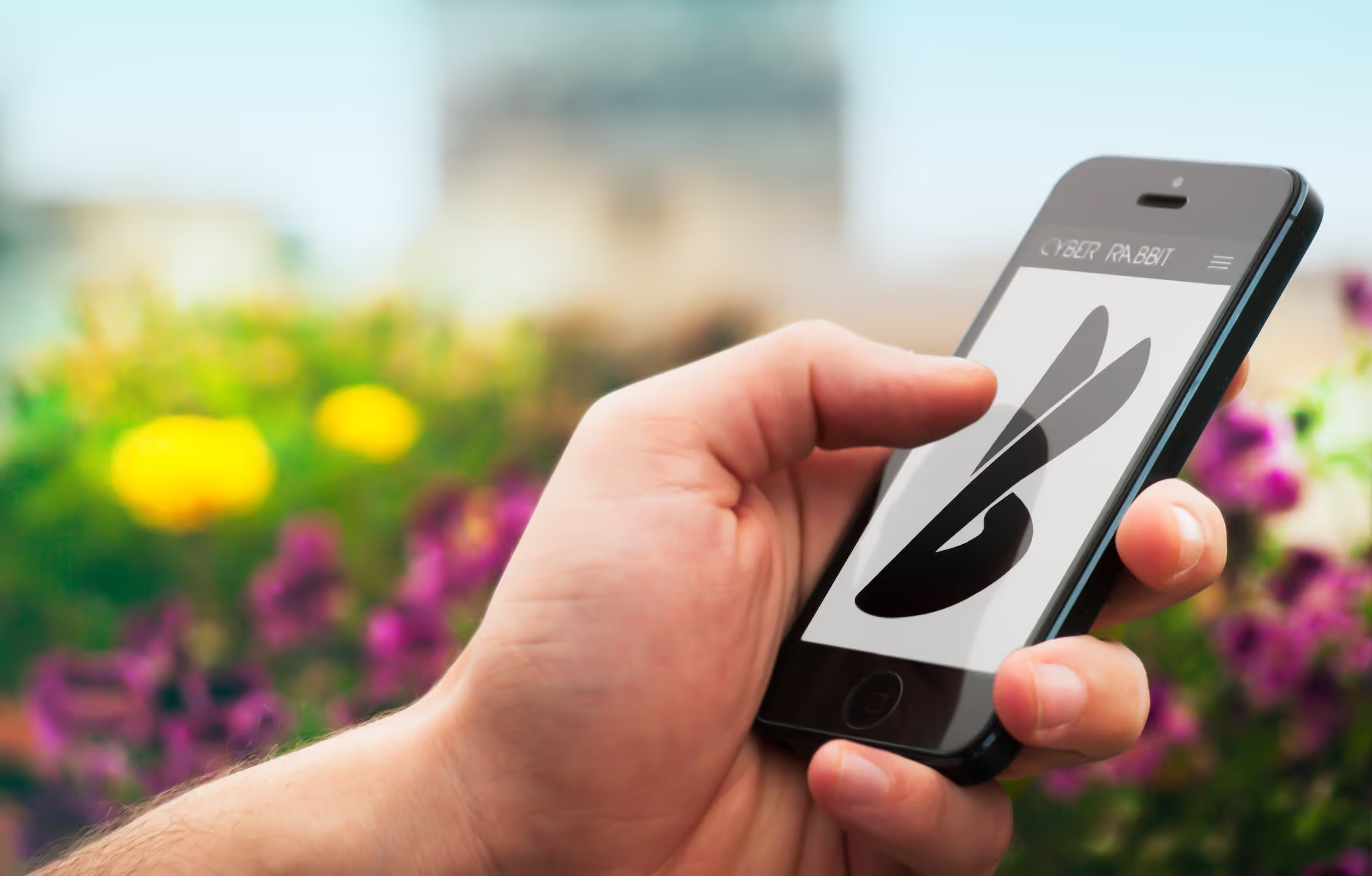
Why Blending Design and Web Development Unlocks Creative Potential
You might notice the web is more visually engaging and user-friendly than ever before. This isn’t a coincidence. Combining design with web development fuels coding creativity by bringing together strong visuals and smart technology. This fusion is key for creating digital experiences that connect with users and perform well.
In today’s digital landscape, using both web design and development skills helps you build websites that load fast, look great on any device, and guide users smoothly. This approach lets you stand out, whether you work in UI/UX, front-end development, or both.
The Importance of Coding for Creative Web Design
Web design once focused only on colors, layouts, and fonts. But coding skills help you transform static designs into interactive, responsive, and dynamic websites. This means you can:
- Build custom animations, micro-interactions, and visual effects
- Optimize web accessibility for all users
- Create responsive layouts with HTML, CSS, and JavaScript
- Break design limitations found in generic website builders
- Bring artistic ideas to life with React, Vue, or Angular
By merging design with coding, you gain full creative control. You can design solutions directly in the browser, adjust user flows, and experiment with interactive elements that improve user engagement and experience.
Principles for Integrating Design and Development
Collaboration between Designers and Developers
When designers and developers work together from project start to finish, the final product is stronger. This collaboration ensures designs are functional and development reflects creative intent. You can use design systems, shared libraries, and version control tools to keep everyone aligned.
User-Centered Design as the Foundation
User-centered design keeps your focus on the needs and emotions of your audience. By coding with empathy, you create features that solve real problems. Accessibility, fast load times, and intuitive navigation matter as much as style.
Responsive and Adaptive Design
People view websites on phones, tablets, and desktops. A creative web developer uses CSS frameworks and flexible grids to deliver a seamless look and feel everywhere. Fluid layouts and scalable graphics enhance both function and creativity.
Key Tools for Creative Coding in Web Design
- HTML5 & CSS3: Build structure and style modern websites with custom effects.
- JavaScript: Add interactivity, real-time updates, and advanced animations.
- Figma & Adobe XD: Prototype user interfaces quickly and sync directly with code.
- Sass & Tailwind CSS: Streamline and organize CSS for faster creative workflows.
- React, Vue, Angular: Create modular design systems and dynamic single-page apps.
Using the right stack lets you explore creativity without being slowed down by technical hassles. These tools bridge the gap between design ideas and actual user experiences.
How Coding Enhances the Creative Process
Learning to code expands your creative options. You can:
- Transform static wireframes into live, interactive prototypes
- Test and iterate on user feedback in real time
- Integrate animation for visual storytelling
- Experiment with new layouts, grids, and color schemes on the fly
- Push boundaries with personalized and adaptive UI elements
Combining code with design skills lets you problem-solve quickly. You’re not just following trends—you’re setting them by building unique, memorable web experiences from scratch.
Benefits of Combining Web Design and Development Skills
Being fluent in both areas gives you a major edge in today’s job market. Web professionals who can design and code:
- Deliver faster, more cohesive project launches
- Communicate ideas clearly across teams
- Adapt more quickly to client changes
- Offer more value as freelance or in-house talent
- Enjoy higher pay and more career opportunities in UI/UX and front-end development
You also improve your ability to empathize with users, fix pain points, and create sites people love to use. This combination boosts your creative and professional reputation.
Best Practices for Merging Design and Coding Skills
Start Every Project with User Needs
Always test ideas and designs with real users before diving deep into code. Use usability testing to guide creative choices, and adjust your prototypes based on feedback from your actual audience.
Build Modular, Scalable Solutions
Write reusable components and use design systems that make updates simple. This frees you to focus on creative improvements, not repetitive fixes.
Stay Curious and Keep Learning
Trends in design and web development change quickly. Try new frameworks, libraries, or animation tools. Join creative coding communities, attend web design meetups, and review industry blogs to keep your skills sharp and inspiration high.
Frequently Asked Questions
How do coding skills help web designers?
Coding skills let web designers create interactive elements, test ideas quickly, and build custom responsive layouts that adapt to all devices.
What are the most important tools for creative web development?
Key tools include HTML5, CSS3, JavaScript, Figma, Adobe XD, React, Vue, and CSS frameworks like Tailwind or Sass.
Why is merging design and development skills valuable for careers?
Combined skills help you deliver faster, collaborate better, and qualify for higher-paying roles in web design and development.
How does responsive design relate to creative coding?
Responsive design uses coding principles to ensure websites look and function well on all screen sizes, supporting both creative and practical goals.
What are the benefits of user-centered design in web projects?
User-centered design improves usability, increases accessibility, and creates web experiences that solve real problems for visitors.



.svg)


