


Discovering Delta Phi (ΔΦ) at Cornell University: Tradition and Legacy in Greek Life
If you're interested in the rich tapestry of Cornell University's Greek life, you can't overlook Delta Phi (ΔΦ). As one of the oldest fraternities in the United States, Delta Phi brings a powerful sense of heritage, brotherhood, and campus influence. The chapter at Cornell University stands out for its unique traditions, architectural presence, and social impact. Whether you're exploring fraternity options, researching Cornell history, or simply intrigued by Greek culture, here's everything you need to know about Delta Phi at Cornell.
The Foundation of Delta Phi: Historical Significance
Delta Phi Fraternity, often called "St. Elmo," is one of the three oldest Greek-letter organizations in America, widely recognized as part of the "Social Ivy" fraternities. It was established at Union College in 1827, making it a member of the legendary Union Triad that jumpstarted organized fraternity life in the United States. The Cornell chapter, founded in 1877, marked the fraternity’s expansion to the Ivy League and helped shape Cornell’s Greek system.
- Founded: 1827 (National); 1877 (Cornell chapter)
- Nicknames: St. Elmo, ΔΦ
- National Significance: Member of the Union Triad
- Location at Cornell: Notable for its Gothic-style chapter house on West Avenue
Delta Phi at Cornell: Brotherhood, Scholarship, and Leadership
At its core, Delta Phi at Cornell values academic excellence, leadership, and lifelong connections.
- Academic Culture: Members are encouraged to aim for high GPAs and take part in scholarship programs.
- Leadership: Many alumni have become campus leaders, entrepreneurs, and professionals in diverse fields.
- Brotherhood: Delta Phi is known for a close-knit community that emphasizes personal growth, support, and integrity.
Joining Delta Phi means accessing a vibrant support system and a global alumni network. The fraternity hosts leadership workshops, networking nights, and philanthropy events, allowing members to build connections that last well beyond graduation.
Cultural Presence and Philanthropy on Cornell Campus
Delta Phi's involvement goes beyond social events. The fraternity is an active participant in Cornell's community service projects and local charity initiatives.
- Philanthropic Focus: Annual fundraisers and volunteer events benefiting local Ithaca causes.
- Campus Events: Hosting traditional Greek life activities, open houses, and alumni reunions.
- Community Connection: Collaboration with other fraternities and sororities to strengthen student life at Cornell.
Being a member of Delta Phi at Cornell means making a difference while developing social responsibility. This reputation for engagement has been maintained for generations, contributing to the positive perception of Greek organizations at Cornell University.
Architectural Landmark: The Delta Phi House at Cornell University
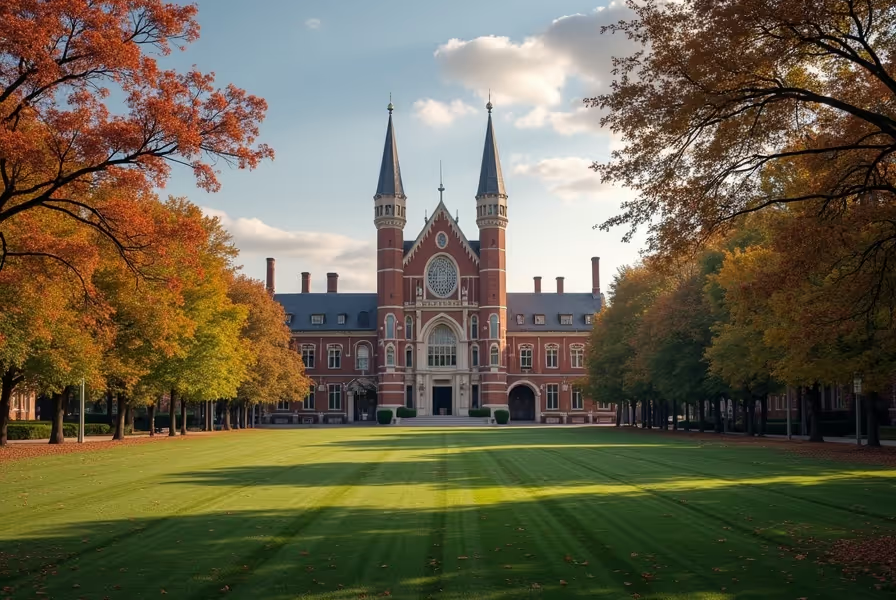
St. Elmo Hall, Delta Phi's chapter house at Cornell, stands out for its distinctive Gothic architecture and historical value. Located on West Avenue, it is a centerpiece of Cornell’s North Campus Greek architecture.
- Historic Build: The house was designed in the early 20th century, featuring stonework, stained glass, and classic gothic elements.
- Heritage Preservation: The fraternity takes pride in maintaining the property as a symbol of tradition and brotherhood.
If you visit the campus, the Delta Phi house is a must-see for anyone interested in Cornell University history, college architecture, or Greek life traditions.
Delta Phi Alumni: Notable Members and Achievements
Delta Phi at Cornell boasts a legacy of notable alumni who have excelled in business, law, public service, and the arts. The alumni network is known for its ongoing involvement with current members, offering mentorship and career opportunities.
- Prominent Fields: Business, law, science, literature, public policy
- Mentorship: Alumni provide guidance on internships, graduate admissions, and leadership development.
- Reunions & Networking: Regular events keep the fraternity’s tradition alive and growing.
Key Facts and Highlights of Delta Phi at Cornell University
- Delta Phi is among the oldest fraternities in the U.S. and has had a chapter at Cornell for nearly 150 years.
- The St. Elmo Hall is an architectural landmark featured in campus tours and showcases the fraternity’s historic role.
- The fraternity is deeply engaged in philanthropy, leadership, and scholarship at Cornell.
- A vibrant alumni network supports members’ academic and professional success.
Frequently Asked Questions About Delta Phi (ΔΦ) at Cornell University
What is Delta Phi (ΔΦ) known for at Cornell University?
Delta Phi at Cornell is recognized for its deep-rooted heritage, academic excellence, and Gothic-style chapter house. The fraternity is also known for its strong brotherhood and active participation in campus philanthropic initiatives.
Where is the Delta Phi house located at Cornell University?
The Delta Phi chapter house, also known as St. Elmo Hall, is located on West Avenue within the Cornell University campus. It is recognized for its unique Gothic Revival architecture.
What kind of activities does Delta Phi offer at Cornell?
Delta Phi offers a mix of social, philanthropic, and academic activities. Members participate in charity events, leadership workshops, community service, and traditional Greek life functions.
How can you join Delta Phi at Cornell University?
If you are interested in joining Delta Phi, you can attend recruitment events held during the academic year. The fraternity seeks students who value scholarship, leadership, and community involvement. Requirements and timelines are determined by Cornell’s Interfraternity Council.
What impact do Delta Phi alumni have?
Delta Phi alumni from Cornell are leaders in many industries, including law, business, academia, and public service. They give back by mentoring current students, offering career guidance, and supporting fraternity activities.



.svg)


