


Why People Make This Pivot
BLS May 2024: archivists, curators, and museum workers at $60,140 median. Senior and federal positions exceed $90,000.
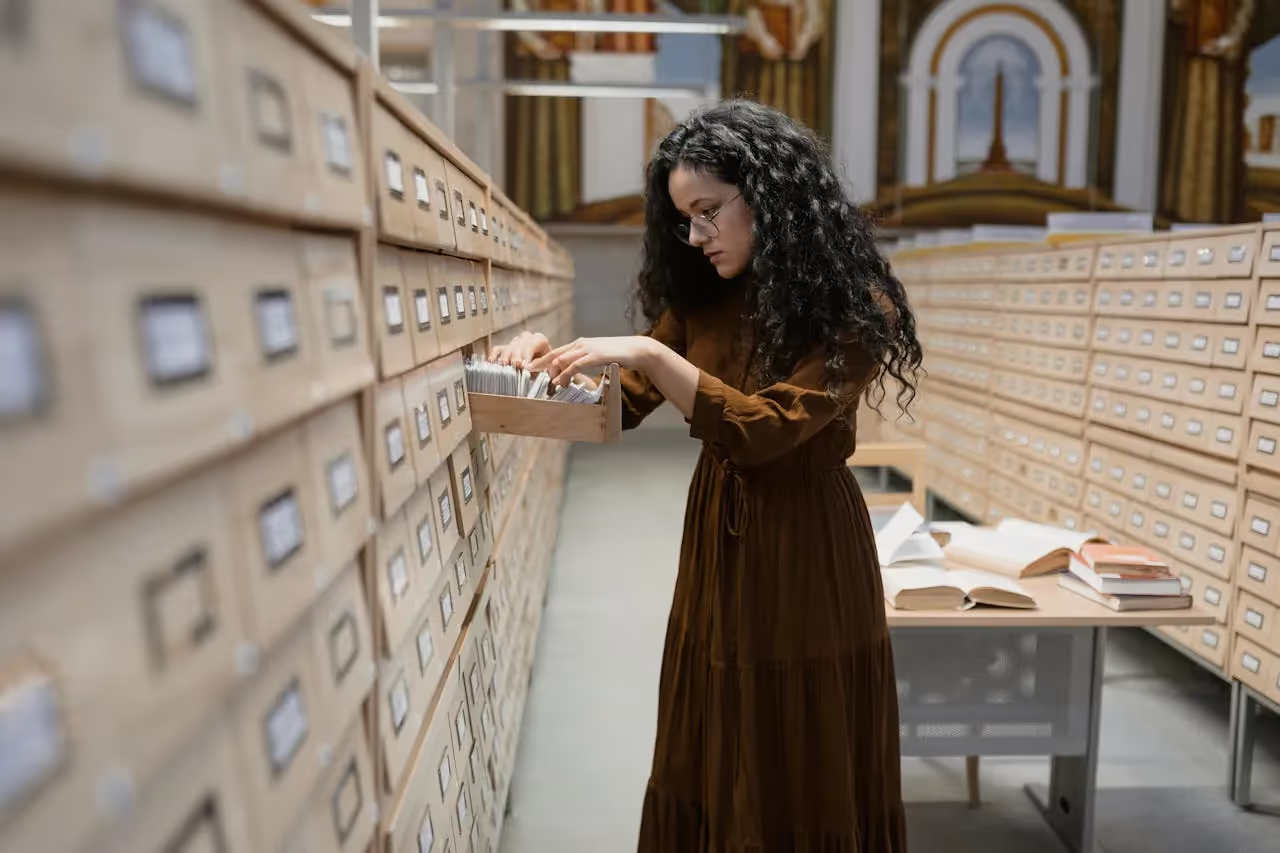
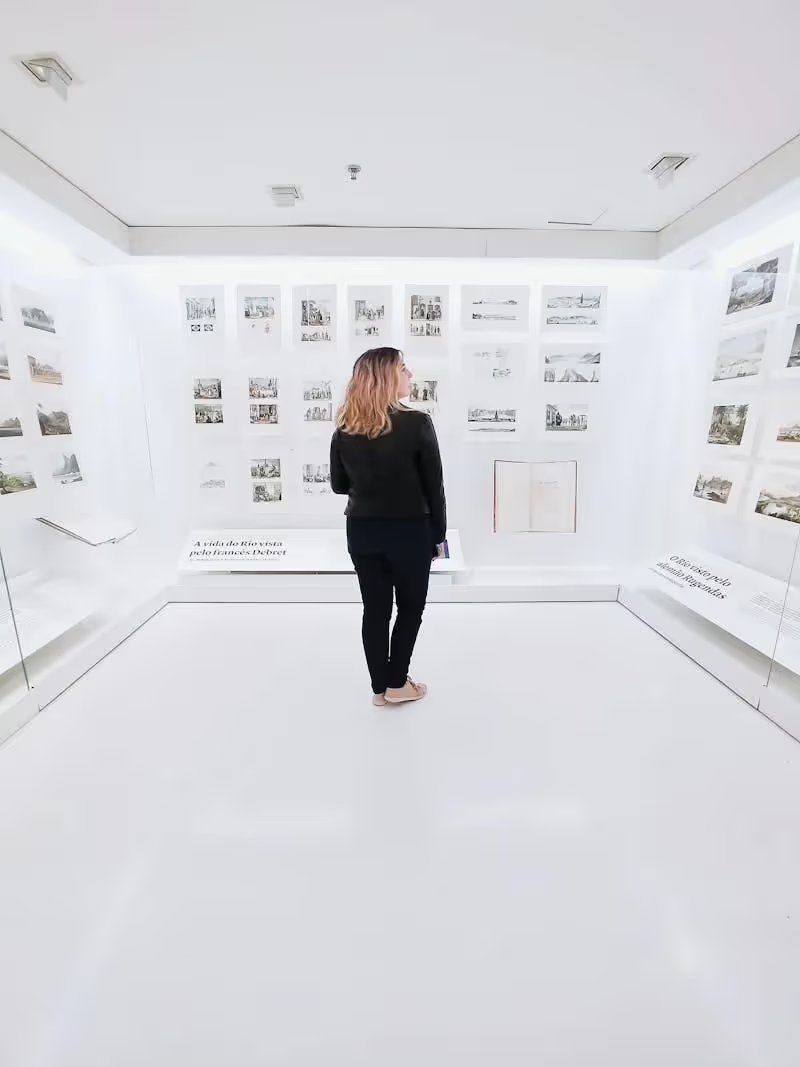
Roles span archives (corporate, government, academic), museums (curation, education, collections), and digital preservation.
The pivot suits history majors who love research and preservation — but requires an MLIS, MA in Public History, or specific certifications.
The Realistic Timeline
PhaseDurationWhat happensMLIS or MA Public History2 years full-timeALA-accredited MLIS preferredInternships and volunteer work1-2 years during/after programCritical for placementFirst professional roleYear 2-3Often part-time or grant-funded initiallySteady full-time roleYear 3-7Competitive — persistence matters
Transferable Skills You Already Have
- Research and source evaluation from history coursework
- Writing and synthesis
- Patience and detail orientation
- Historical thinking and context
- Basic digital literacy
What You'll Need to Learn
- Archival theory and practice
- Cataloging and metadata standards (DACS, EAD, Dublin Core)
- Digital preservation (PREMIS, OAIS)
- Museum collections management systems
- Grant writing and funding cycles
Cost and Salary Reality
ItemTypical RangeNotesMLIS tuition (public)$15,000-$40,000Best ROIMLIS tuition (private/online)$40,000-$70,000Options existMA Public History$20,000-$60,000Alternative to MLISEntry archivist/curator$40,000-$55,000Often part-time startsSenior archivist/curator$75,000-$100,000+Federal, major institutions
Step-by-Step Path
- Confirm MLIS is ALA-accredited — critical for job eligibility.
- Volunteer or intern at archives/museums while in school.
- Pursue SAA (Society of American Archivists) Arrangement & Description certification.
- Target federal (NARA), academic, and corporate archives for pay stability.
- Consider digital preservation as a higher-paying specialty.
- Apply broadly — competition is stiff, persistence matters.
- Network at SAA and AAM conferences.
Common Pitfalls to Avoid
- Assuming passion alone wins jobs — credentials are gatekeepers
- Ignoring ALA accreditation on MLIS programs
- Taking on massive debt for modestly-paid roles
- Skipping volunteer and intern experience
- Overlooking corporate archives, which pay more than nonprofits
Who This Pivot Works Best For
Best fit for history majors committed to research, preservation, and mission-driven work, with realistic expectations about pay. Federal and corporate archives are best for financial sustainability.
- You have a history or humanities degree
- You're passionate about preservation and research
- You're willing to complete an MLIS or MA
- You accept that pay is modest relative to credentials
Related Reading
Key Takeaways
- MLIS is the standard credential; ALA accreditation required
- Federal and corporate archives pay best
- Digital preservation is an underused higher-paid specialty
- Volunteer and intern experience is non-negotiable
Sources
- BLS Occupational Outlook Handbook, May 2024
Archives and museum work rewards mission-driven history majors who plan credentialing and internships realistically. Pay is modest but the work is meaningful.


.svg)


