


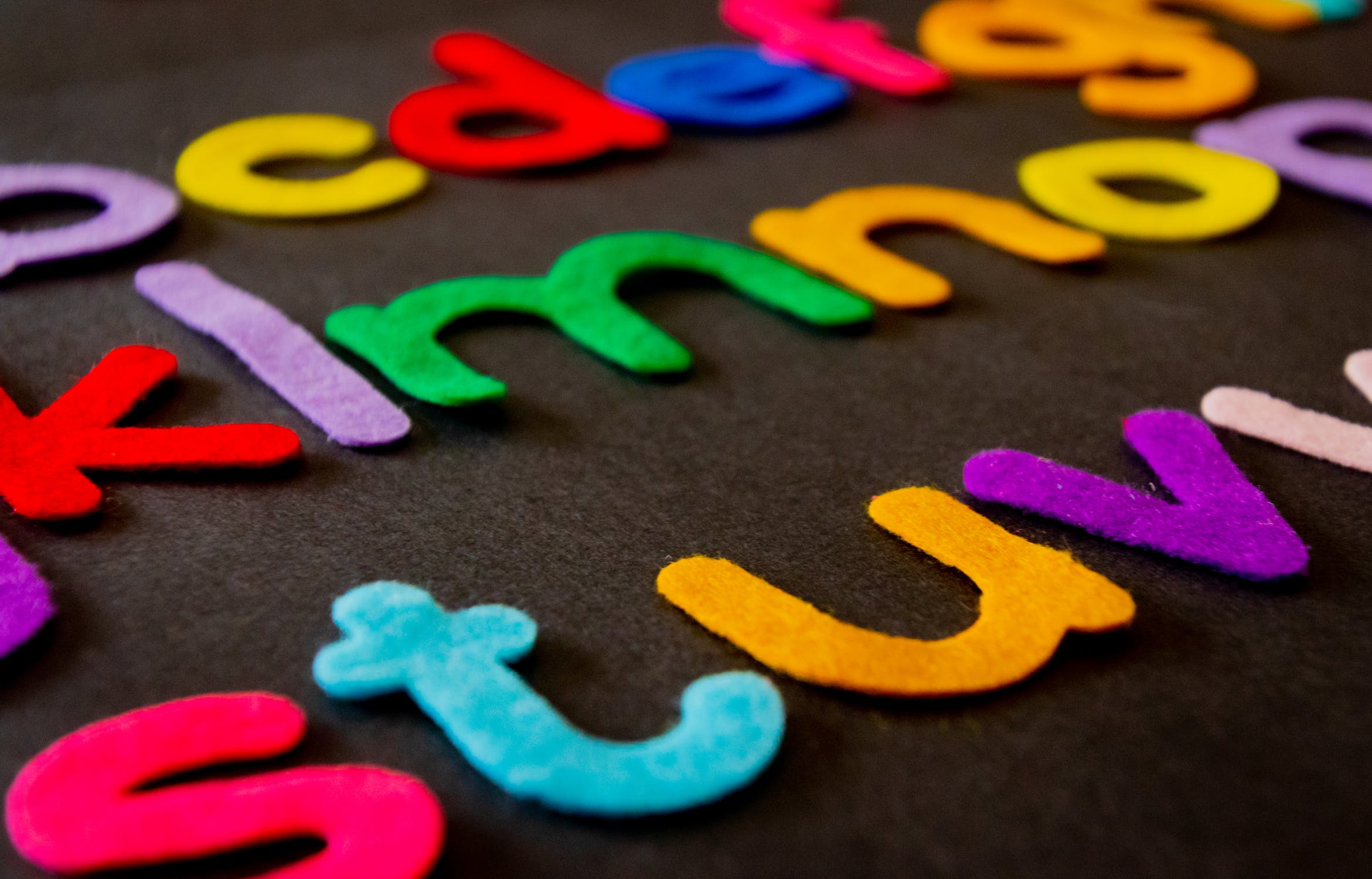
Why Study Education Today?
When you study education, you shape the minds of the future. Education degrees help you understand how people learn, grow, and succeed. Modern classrooms and online learning are changing fast. To keep up, you need new approaches and skills. Whether you want to teach, lead, or research, studying education opens doors. Jobs in education are in high demand. Teachers, administrators, and education specialists are needed worldwide.
If you want to make a positive impact, education lets you do that every day. You help children, teens, and adults reach their potential. Education isn’t only about teaching facts—it’s about building confidence, curiosity, and lifelong learning.
Key Elements of Modern Education Degrees
Education has changed. Today, your degree covers more than reading, writing, and math. You explore:
- Child and adolescent development
- Effective teaching strategies
- Inclusive and special education
- Technology in the classroom
- Cultural awareness and diversity
- Educational psychology
- Curriculum design and assessment
With these core areas, you learn how to solve real challenges in schools and communities. You also gain practical skills through internships, teaching practicums, or classroom observation.
Learning Pathways: Degrees and Certifications in Education
Education offers many paths. Choose the one that fits your goals and strengths.
- Bachelor’s degree in education: Ideal if you want to become a teacher or classroom leader.
- Master’s in education (M.Ed.): Focuses on advanced teaching, leadership, or counseling skills.
- Doctorate (Ed.D. or Ph.D.): Best for research, academic, or high-level administrative roles.
- Teaching credentials and certifications: Required to teach in public schools in most states.
- Specialty endorsements: Add-ons for areas like reading, ESL, or special education.
Each level of study prepares you for different education careers and leadership roles. Some programs focus on early childhood, elementary, secondary, or adult education. Others specialize in counseling, administration, or curriculum.
Emerging Topics in Education Studies
You’ll find new ideas and trends in education degrees. Modern programs focus on:
- EdTech integration: Using tablets, apps, and AI in the classroom
- Social-emotional learning (SEL): Teaching empathy, mental health, and self-awareness
- Diversity, equity, and inclusion (DEI): Supporting all backgrounds and abilities
- Remote and blended learning: Combining in-person and online teaching
- Trauma-informed teaching: Understanding student backgrounds and challenges
By studying these topics, you’ll prepare to meet the needs of today’s diverse students. You also learn how to create safe, supportive, and engaging classrooms for all.
Top Skills You Gain by Studying Education
Education degrees build essential skills that last a lifetime. You will develop:
- Communication and public speaking
- Problem-solving and critical thinking
- Organization and time management
- Leadership and teamwork
- Empathy and cultural competence
- Adaptability and resilience
These skills apply to jobs inside and outside education. Employers look for people with strong interpersonal and leadership abilities. Your training helps you guide groups, solve conflicts, and inspire others.
Career Options After an Education Degree
With an education degree, you have many job options. Here are common paths:
- Teacher (elementary, middle, high school)
- Special education teacher
- School counselor
- Instructional coordinator or curriculum designer
- Education administrator or principal
- Online educator or e-learning specialist
- Training and development manager in business
- Education researcher or policy analyst
Education careers often offer good job security and benefits. According to the U.S. Bureau of Labor Statistics, education jobs remain stable and are projected to grow in the coming years. Many roles also offer summers off or flexible schedules.
Challenges and Rewards of Educational Careers
Working in education is rewarding and demanding. You face challenges like:
- Meeting diverse student needs
- Keeping up with technology
- Managing workloads and testing requirements
- Balancing administrative tasks with creative teaching
- Addressing student mental health and safety
The rewards can be great. You help students succeed, build confidence, and change lives. Many educators say the connections with students and families are the best part of the job. You’ll see direct results from your work every day.
Making a Difference: The Impact of Education Professionals
As an education professional, you shape society’s future. You promote equality, understanding, and lifelong learning. Your influence can last for generations. Your work directly impacts literacy, graduation rates, and college readiness. The lessons you teach go far beyond academics.
If you want a career that’s meaningful, studying education can be your path. Every student you support is a step forward for your whole community.
Frequently Asked Questions
What jobs can you get with an education degree?
You can become a teacher, school counselor, education administrator, instructional coordinator, curriculum designer, or e-learning specialist with an education degree.
Is a degree in education worth it?
A degree in education is worth it if you want stable job prospects, personal fulfillment, and the chance to make a positive impact in your community.
What skills do you learn when studying education?
You learn communication, problem-solving, organization, leadership, empathy, and adaptability skills while studying education.
How long does it take to get an education degree?
A bachelor’s degree in education usually takes four years. A master’s degree takes one to two additional years, and doctorates require three to five years more.
What is the average salary for someone with an education degree?
According to the U.S. Bureau of Labor Statistics, the median annual wage for elementary school teachers was $61,690 in 2023. Salaries vary by job, location, and experience.



.svg)


