


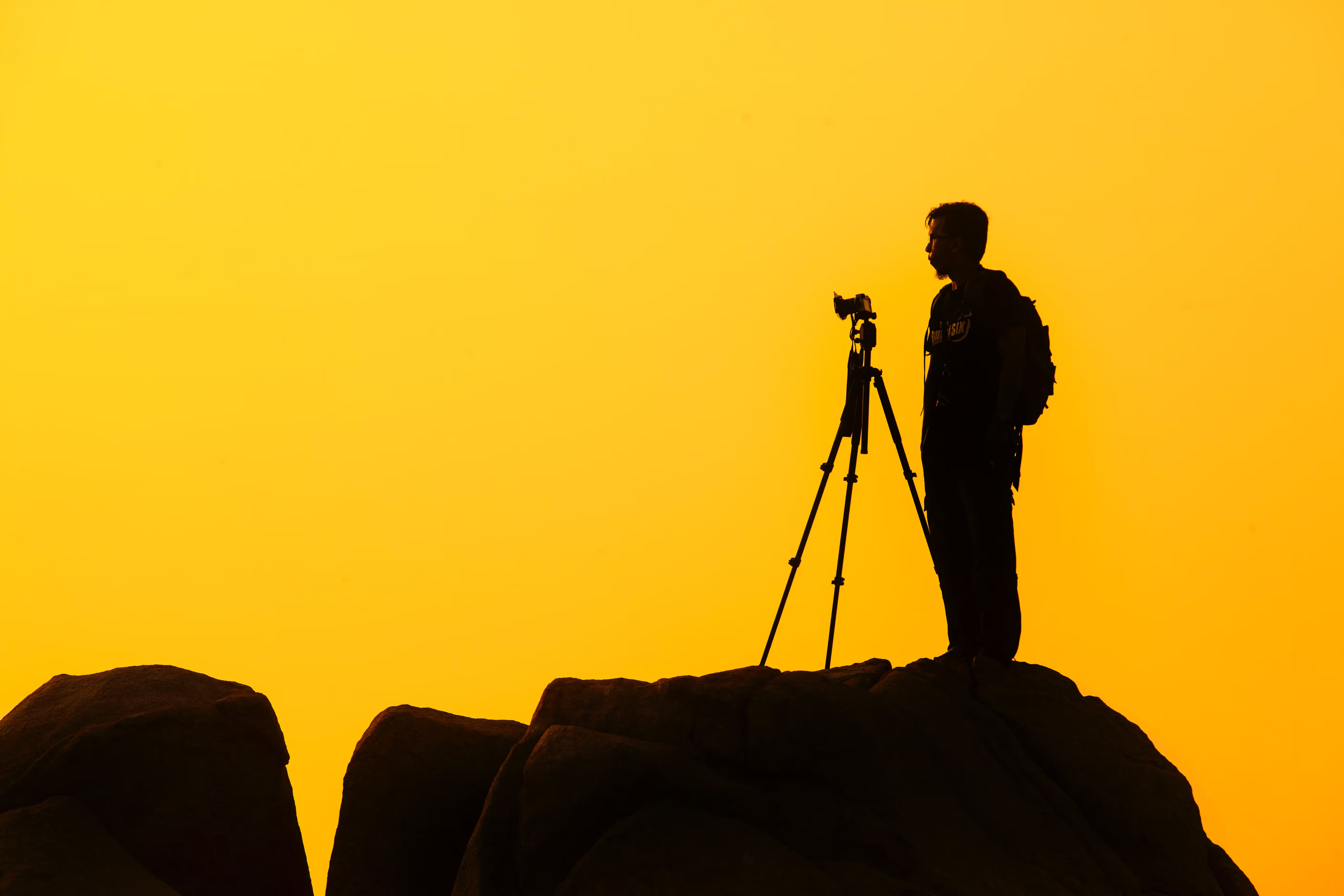
The Power of Photography to Capture the World
Photography lets you see the world in new ways. Every time you press the shutter, you freeze a moment forever. You tell visual stories that words can't express. Both travel photography and daily life scenes let you explore different cultures, landscapes, and emotions. Through your camera, you notice details others miss and share your perspectives with people everywhere.
Whether you're a beginner or an experienced photographer, the stories you capture have the power to inspire and connect people across the globe. Photography bridges cultures and opens your eyes to the beauty, struggles, and diversity of the world. That's why photo stories are so powerful and meaningful.
Essential Skills for Telling Stories with Your Camera
Telling a story through images takes more than just technical skill. You need an eye for detail, patience, and creativity. Photography as storytelling relies on several important elements:
- Framing: Place your main subject using the rule of thirds for balance and interest.
- Lighting: Use natural or artificial light to set mood and highlight key features.
- Telling detail: Focus on small moments or textures that evoke emotion or deepen the story.
- Perspective: Shoot from high, low, or unusual angles to add uniqueness and context.
- Sequencing: Combine multiple images to show a journey or event in stages.
These elements help you create images with real impact. Use them to build a strong narrative in travel photography, wildlife photography, street photography, and daily life storytelling.
Popular Photography Styles for Storytelling
Not all photo stories look the same. You can share your view of the world through different photography styles. Some popular types include:
- Documentary Photography: Shows real-life events, traditions, or social issues as they unfold.
- Travel Photography: Highlights landscapes, cultures, and city life from around the world.
- Street Photography: Captures candid moments and everyday life in urban settings.
- Wildlife Photography: Focuses on animals, ecosystems, and the relationship between humans and nature.
- Portrait Photography: Shares emotions, stories, and character through images of people.
Each style has its own approach and goals. Choose one that matches your interests and the stories you want to tell.
How to Start Your Own Shutter Stories
You don't need expensive equipment to begin. Today, you can start storytelling with a smartphone or any camera you have. To make your photo stories more powerful:
- Look for moments that evoke emotion or curiosity.
- Research the subject or culture you want to capture.
- Take multiple shots for different perspectives and moods.
- Edit your photos slightly to enhance color, contrast, or mood, but avoid over-processing.
- Write short captions or context to help viewers connect with your images.
- Share your work on social media or photography websites to reach a global audience.
Many iconic stories in world photography history started with simple cameras and a curious eye. Stay patient, keep exploring, and let every photo teach you something new.
Travel Photography: See the Unseen
Travel photography explores unique cultures, landscapes, and experiences across the globe. By documenting local traditions, historic landmarks, or untouched nature, you invite others to see beyond their daily lives. When traveling:
- Be respectful and aware of local customs before taking photos.
- Wake up early or stay late for the best natural light.
- Ask permission before photographing people, especially in rural or sacred places.
- Mix wide shots with close-ups to tell a complete story.
Travel photo stories often appear in blogs, magazines, or as part of photojournalism projects. They show not just the beauty of a place, but its history and people.
Using Photo Stories to Raise Awareness
Photography can highlight important issues or hidden stories. Many photojournalists and documentarians use their images to:
- Shed light on social justice or environmental issues
- Give a voice to underrepresented groups
- Show the impact of conflict, poverty, or climate change
- Celebrate cultural heritage and resilience
If you want your shutter story to make a difference, research your topic well. Work ethically, respect privacy, and share facts with your audience. Your photos can inspire change and bring global attention to important causes.
Tips for Editing and Sharing Your Photo Stories
Editing and presentation matter as much as the photos themselves. To enhance your photo stories:
- Sort: Choose only your strongest images to keep the story focused.
- Edit: Adjust brightness, contrast, and color to match the story’s mood.
- Sequence: Arrange your images to guide viewers logically from start to finish.
- Context: Add brief captions or background for clarity.
- Platform: Share on photo blogs, Instagram, or online galleries for maximum reach.
Responsible editing and thoughtful sharing help you connect with a wider audience. Your story becomes clearer, stronger, and more memorable.
Frequently Asked Questions
What is storytelling in photography?
Storytelling in photography uses images to convey a narrative, emotion, or message, often through a series of related photos.
How do you create a photo story?
You create a photo story by capturing a series of images on a theme or event, sequencing them logically, and adding context with captions or notes.
What equipment do you need for photography storytelling?
You can use any camera, including smartphones. For advanced storytelling, many prefer a DSLR or mirrorless camera, but creativity matters more than gear.
Why is travel photography important for learning about the world?
Travel photography documents cultures, places, and traditions, helping people explore and understand global diversity and similarities.
How can photography raise social awareness?
Photography raises social awareness by sharing images that highlight issues, tell untold stories, and influence public opinion or action.




.svg)


