


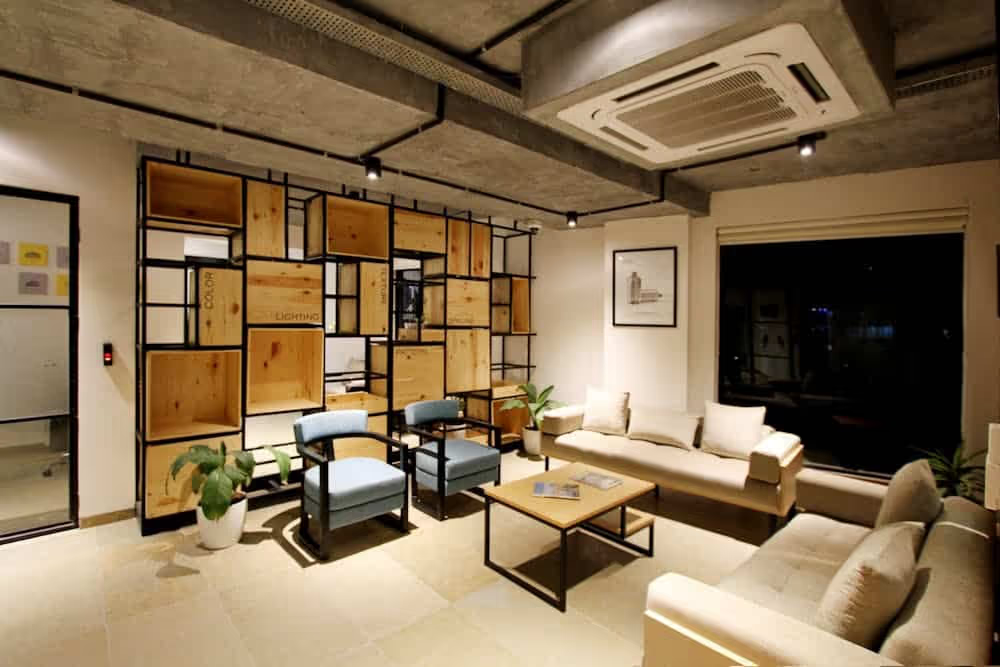
What Is Interior Design and Why Does It Matter?
Interior design shapes how you feel and function in your home, office, or any indoor space. It's more than arranging furniture or picking paint colors. It's the art and science of enhancing interiors to create environments that tell a story. Interior design affects well-being, productivity, and comfort. Whether you want a cozy bedroom or a modern workspace, the design choices you make can shape your mood, flow, and even your daily habits.
When thinking about “spaces with stories,” you use interior design principles to make each room feel personal and purposeful. You’ll use balance, texture, color, and light to bring your narrative to life. Every element, from decor to layout, plays a part in telling your story within a space.
Core Elements of Interior Design
Understanding the basics of interior design helps you build spaces that look good and feel right. Here are the key elements every space needs:
- Space: Refers to the size and shape of a room, plus how you use both empty and filled spaces.
- Line: Horizontal, vertical, and dynamic lines guide your eye and add structure.
- Form: The shape of objects—think square tables or round lamps—gives rhythm and structure.
- Light: Both natural and artificial lighting impact mood and function.
- Color: Color palettes set tone, evoke emotion, and impact how large or small a room feels.
- Texture: Smooth, rough, soft, or glossy textures add depth and contrast.
- Pattern: Patterns add interest and help unify a design.
How Interior Designers Create Spaces with Meaning
Interior designers do more than decorate. They craft experiences. By blending technical skills with creativity, they turn blank rooms into dynamic environments. Your space might reflect your travels, family history, or personal style. Designers guide you to express those stories through:
- Choosing meaningful furniture and décor
- Selecting color schemes that match your personality
- Using light for mood and focus
- Balancing open and cozy areas
- Highlighting artwork, souvenirs, or family photos
Spaces with stories connect you to your environment and the people who use it. The right design choices let you showcase memories and values in every room.
Popular Interior Design Styles to Inspire Your Story
Exploring design styles helps you find what fits your story best. Here are some high-traffic interior design styles to consider:
- Modern: Clean, uncluttered lines and minimal color.
- Contemporary: Ever-evolving, often bold with sleek surfaces.
- Traditional: Classic details, rich colors, and timeless furnishings.
- Scandinavian: Minimalist, light, and functional with natural touches.
- Industrial: Exposed materials and raw textures inspired by lofts.
- Bohemian: Eclectic patterns, colors, and global influences.
- Transitional: Combines modern trends with classic elements.
Each design style provides a unique language to tell your personal story through your space. Mixing elements from several styles can also create a space that feels truly yours.
Design Principles That Make Spaces Come Alive
Creating spaces that tell stories takes more than picking the right sofa or artwork. It’s about following key design principles:
- Balance: Distributes visual weight. Use symmetry or asymmetry to create harmony.
- Rhythm: Repeats color, pattern, or texture for flow and interest.
- Emphasis: Draws attention to a focal point—an art piece, fireplace, or unique window.
- Contrast: Adds excitement by mixing light and dark, rough and smooth, or big and small.
- Unity: Pulls everything together so the space feels cohesive and intentional.
Let these principles guide you, whether you're designing a cozy living room or a productive home office.
How to Begin Crafting a Space That Tells Your Story
You can start building your personal space with a few easy steps:
- List how you use the space most—rest, work, social gatherings, hobbies?
- Gather inspiration from magazines, blogs, or design apps.
- Decide on colors and styles that speak to your values and tastes.
- Draw a simple floor plan to organize furniture.
- Choose key pieces that have meaning: heirlooms, art, or travel souvenirs.
- Add texture and natural elements for depth and comfort.
- Optimize lighting for both function and ambiance.
Focus on what makes you feel at home. Infuse your rooms with touches that remind you of your story every day.
Frequently Asked Questions
What is the main goal of interior design?
The main goal of interior design is to create functional, comfortable, and aesthetically pleasing spaces that meet the needs of the people who use them.
How do interior designers tell a story through design?
Interior designers use colors, textures, furniture, and décor that reflect personal experiences and values to create spaces that feel unique and meaningful.
What are the key elements of interior design?
Key elements include space, line, form, lighting, color, texture, and pattern.
How do I choose an interior design style for my home?
Choose an interior design style by considering your needs, preferences, and inspirations, then select styles that fit your lifestyle and tell your personal story.
Why is lighting important in interior design?
Lighting impacts the mood, function, and appearance of a space, making it a key part of effective interior design.







.svg)


