


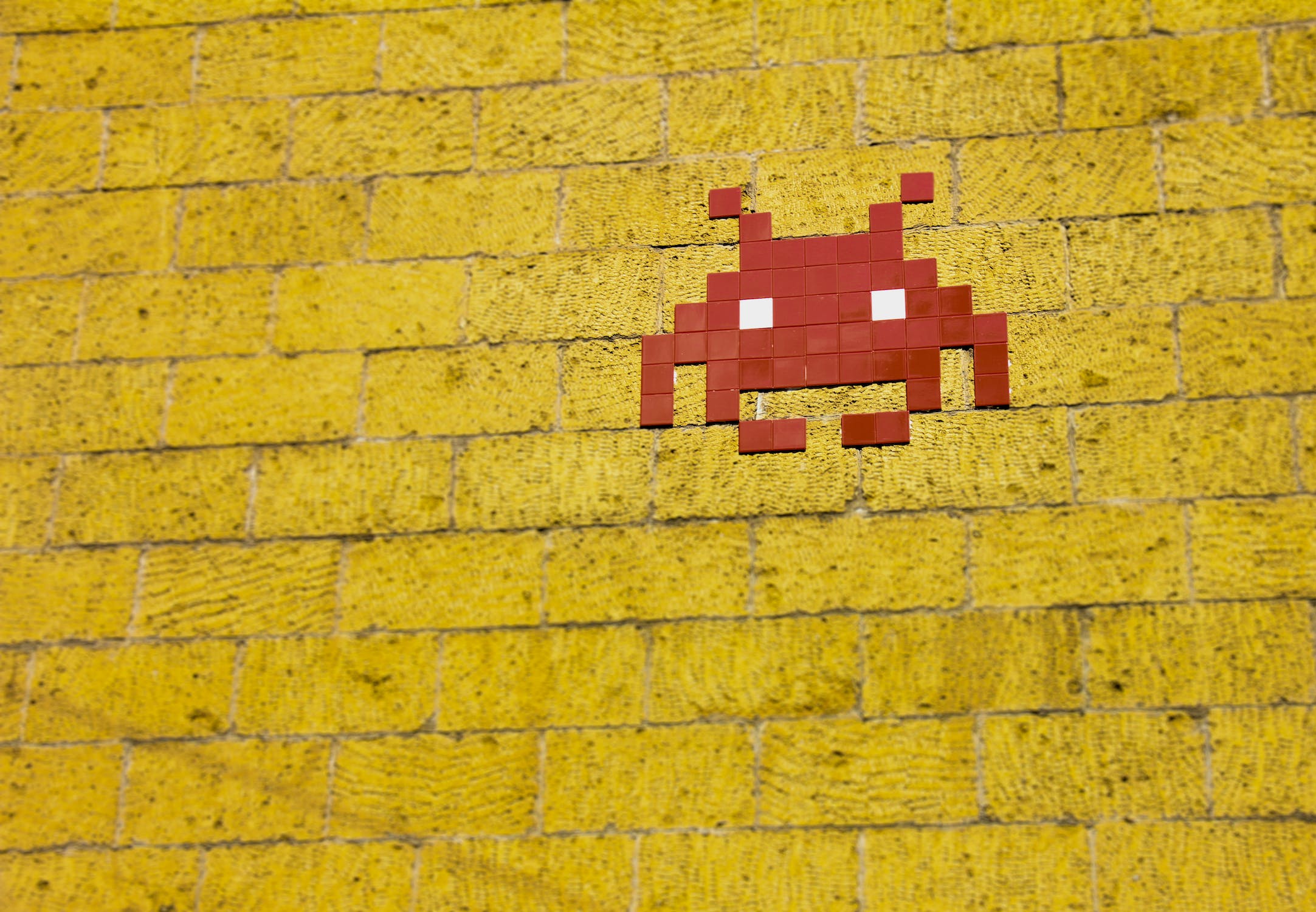
The Power of Game Art: Shaping How You Experience Games
Game art forms the heart of every video game you play. The visual style, character designs, and immersive worlds all result from dedicated artists. When you press start, you see more than just code—you see creative visions turned into interactive experiences. Game art influences the way you connect with stories, environments, and even other players. Its impact on gaming culture runs deep, shaping entire genres and sparking communities worldwide.
What Is Game Art? Exploring Its Role and Types
Game art includes all the visual elements you see in a game. This ranges from 2D sprites to 3D models, environments, concept art, and user interfaces. Each type plays a unique role in your gaming experience:
- Concept art: Sets the visual tone, mood, and style for the game world.
- Character art: Brings personalities to life through design and animation.
- Environment art: Builds immersive spaces you can explore and interact with.
- UI/UX design: Guides your navigation through menus and gameplay systems.
- Visual effects: Adds dynamism with weather, magic, explosions, and movement.
These types work together to make every moment engaging and visually memorable.
The Evolution of Game Art Styles and Techniques
Game art has grown from simple pixel graphics to lifelike 3D environments. In the 1980s, games like "Pac-Man" used basic 8-bit visuals. As technology advanced, you saw more colors, better resolution, and animation. Today’s games use advanced tools like motion capture and real-time rendering. You can see everything from hyper-realistic shooters to stylized indie games. Styles now include:
- Pixel art
- Cel-shading
- Photorealistic 3D
- Hand-drawn illustrations
- Mixed media and experimental styles
This variety lets you find games that speak to your personal taste, whether you love retro graphics or detailed, cinematic worlds.
Game Art’s Influence on Gaming Culture
Game art goes beyond graphics—it's a cultural force. Iconic visuals, like the green pipes in "Super Mario" or the blocky world of "Minecraft", become shared symbols. These influence everything from fan art to cosplay and even fashion. Game art also drives social trends through viral memes and online communities. The visual identity of a game often decides its popularity. Unique styles can help indie games stand out and inspire new trends in design.
Connecting Players Worldwide
Art in games provides a common language. When a game uses distinctive visuals, it builds global fanbases regardless of language or location. Fans celebrate game art through social media, conventions, and online forums. This fosters strong communities that keep gaming culture alive and evolving.
Shaping New Careers and Industries
The demand for skilled game artists keeps growing. Studios hire concept artists, 3D modelers, texture artists, and animators. Game art inspires fields like graphic design, animation, and virtual reality. Many fans get into game development after seeing impactful game visuals.
Game Art and Storytelling: How Visuals Deepen Narrative
Game art is essential for storytelling in games. A character’s design can reveal personality, background, or alignment without a single line of dialogue. Atmospheric environments make you feel part of the story, from haunted castles to futuristic cities. Visual cues guide your emotions, direct your attention, and immerse you in the world. This helps drive narrative engagement and replay value.
How Game Art Drives Accessibility and Inclusion
Game art has the power to include diverse characters, cultures, and experiences. Developers now prioritize diverse representation in character art and world design. This inclusion makes more players feel seen and welcomed. Modern UI and visual feedback also enhance accessibility, allowing players of all abilities to participate and enjoy their favorite titles.
Innovations in Game Art: Technology and Trends
Recent innovations are changing what’s possible in game art. Virtual reality, augmented reality, and AI-generated art offer fresh visual experiences. Real-time lighting and advanced shaders make games look better and run faster on modern hardware. Artists now experiment with new tools and workflows to create more immersive and responsive worlds.
- Procedural generation for dynamic environments
- Interactive art elements shaped by your choices
- Cross-platform design for mobile, console, and PC
These innovations ensure game art keeps surprising and delighting you with every new release.
Frequently Asked Questions
What is game art in video games?
Game art is all the visual elements in a video game, including characters, environments, UI, and effects. Artists create these visuals to set the style, mood, and tone of the game world.
How does game art impact gaming culture?
Game art shapes gaming culture by creating iconic visuals, influencing fan communities, and inspiring trends like cosplay and fan art. It helps form a shared identity among players.
What types of careers exist in game art?
Game art careers include concept artist, character designer, environment artist, 3D modeler, texture artist, animator, and UI/UX designer.
How have game art styles changed over time?
Game art has moved from simple pixel graphics to advanced 3D models, realistic textures, and diverse artistic styles, thanks to evolving technology and creative trends.
Why is diversity in game art important?
Diversity in game art allows more players to feel represented, improves accessibility, and enriches the stories and experiences within games.



.svg)


