


Best Forest Management in Show Low: A Complete Guide for Landowners and Property Managers
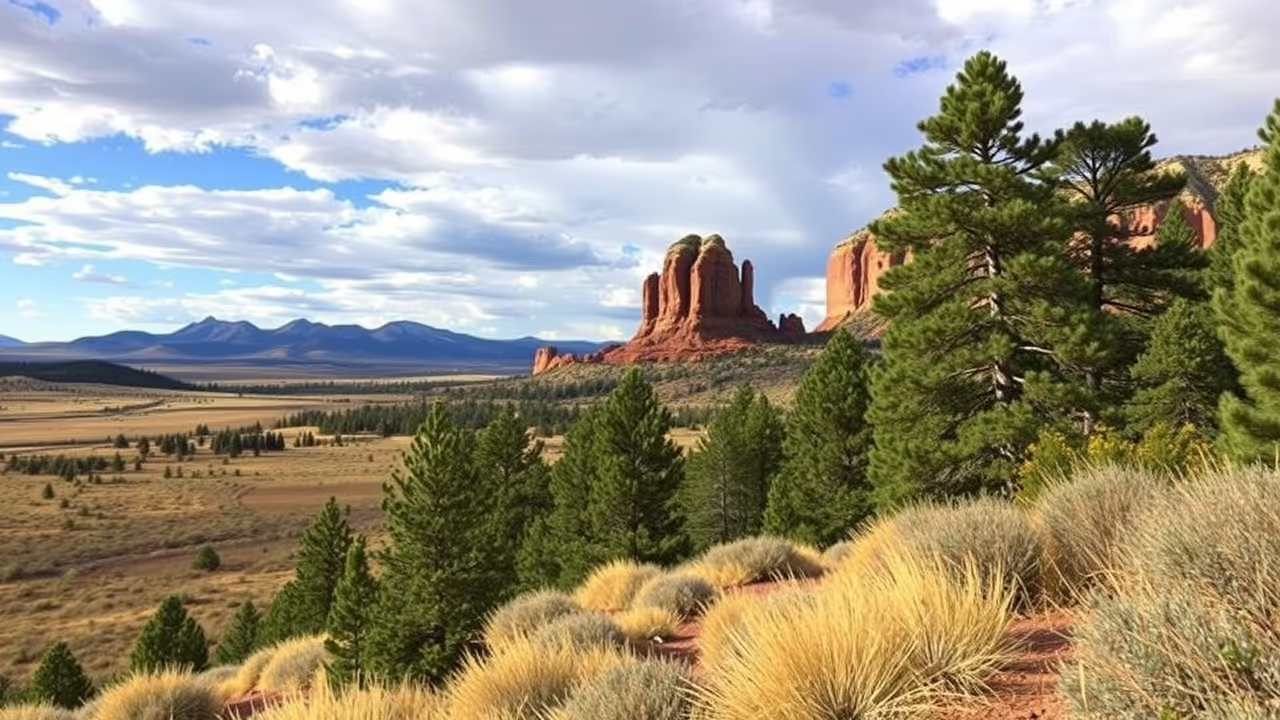
Show Low, Arizona sits in the heart of the Apache-Sitgreaves National Forest region, where ponderosa pine ecosystems, mixed conifer stands, and high-elevation terrain create both opportunity and risk for property owners. Effective forest management in Show Low is not just about tree care. It is about wildfire mitigation, long-term forest health, regulatory compliance, and protecting property value.
Key Takeaways
- Forest management in Show Low must address wildfire risk, pine beetle activity, and drought stress specific to northeastern Arizona.
- The best providers combine forestry science, fire mitigation, land clearing, and arborist services.
- Costs vary by acreage, density, and service type, but proactive management is far less expensive than wildfire damage.
- Local, state, and federal programs may offer grants or cost-share assistance for fire mitigation projects.
- Proper forest management increases property value, improves ecosystem resilience, and reduces liability risk.
Understanding Forest Conditions in Show Low, AZ
Show Low’s forests are dominated by ponderosa pine, Gambel oak, juniper, and mixed conifers. These ecosystems evolved with natural fire cycles. However, decades of fire suppression, combined with drought and insect pressure, have led to overstocked stands and heavy fuel loads.
Primary Threats to Local Forests
- Wildfire: The White Mountains region faces elevated fire risk, particularly during peak drought and wind conditions.
- Pine Beetles: Ips beetles and bark beetles attack stressed or overcrowded trees.
- Drought Stress: Long-term water scarcity weakens root systems and reduces resilience.
- Invasive Species: Non-native plants can disrupt understory balance and increase fire intensity.
The best forest management strategies in Show Low address these threats holistically rather than as isolated issues.
What Defines the Best Forest Management in Show Low?
Not all land clearing or tree services qualify as professional forest management. The most effective providers and programs share several characteristics.
1. Science-Based Thinning and Fuel Reduction
Proper thinning reduces tree density to restore healthier spacing. In ponderosa pine forests, recommended spacing often ranges between 60 and 120 trees per acre depending on slope, aspect, and management goals.Fuel reduction includes:
- Removal of ladder fuels that allow fire to climb into tree canopies
- Brush clearing and mastication
- Strategic pruning to reduce crown fire potential
2. Wildland Urban Interface Risk Reduction
Many Show Low properties border forested land. Creating defensible space is critical. This includes:
- 30 feet of immediate defensible space around structures
- Removal of deadwood and slash
- Separation between tree crowns
- Fire-resistant landscaping
Compliance with Arizona Department of Forestry guidance strengthens both safety and insurability.
3. Certified Arborist and Forestry Expertise
The best providers employ ISA Certified Arborists, professional foresters, or both. They should understand:
- Tree health diagnostics
- Integrated pest management
- Local soil and watershed dynamics
- Sustainable harvesting techniques
Forest management is ecological management, not just vegetation removal.
Forest Management Services Available in Show Low
Landowners in Show Low typically require one or more of the following services.
Residential Forest Management
Ideal for homeowners with 1 to 10 acres. Services may include:
- Selective thinning
- Fire mitigation inspections
- Tree pruning and removal
- Slash hauling and chipping
Commercial and Large-Parcel Management
Applicable to ranches, HOAs, investment properties, and large acreage owners. Services often include:
- Forest inventory and management planning
- Road building or maintenance
- Timber stand improvement
- Equipment-based mastication
Land Clearing and Excavation
Often required for development projects or access roads. Professional operators balance clearing goals with erosion control and environmental protection.
Cost Guide for Forest Management in Show Low
Costs depend on acreage, density, slope, and accessibility. Below is a general pricing reference for northeastern Arizona.
Service TypeTypical Cost RangePricing BasisHand Thinning$500 to $1,500Per acreMastication$1,000 to $2,500Per acreTree Removal$300 to $1,200Per treeFire Mitigation Inspection$150 to $400Per propertyForest Management Plan$1,000 to $3,000+Per project
Note that heavily overgrown properties cost more to rehabilitate. Early intervention significantly reduces long-term expense.
Grants and Assistance Programs in the Show Low Area
Multiple programs may offset costs for qualified landowners.
Arizona Department of Forestry and Fire Management
Offers firewise and hazardous fuel reduction programs, particularly in Wildland Urban Interface zones.
Federal Cost Share Programs
The Natural Resources Conservation Service administers Environmental Quality Incentives Program contracts that may help fund thinning and conservation practices.
Community Firewise USA Programs
Neighborhood-based initiatives that reduce community-level wildfire risk and may improve insurance outcomes.
Eligibility varies, and working with a qualified forestry consultant helps streamline applications.
How to Choose the Best Forest Management Provider in Show Low
Selecting the right expert can determine whether your forest becomes more resilient or more vulnerable.
Verify Credentials
- ISA Certified Arborist designation
- Arizona contractor licensing where required
- Proper insurance coverage
Request a Written Management Plan
A reputable provider will outline:
- Current stand conditions
- Risk factors
- Recommended treatments
- Long-term maintenance timeline
Ask for Local Experience
Show Low’s elevation and ecological mix differ from Phoenix or Tucson. Choose companies familiar with White Mountains conditions.
Case Example: Proactive Thinning in the White Mountains
A 5-acre residential property outside Show Low had dense pine growth with heavy understory brush. After professional thinning reduced tree density by 40 percent and removed ladder fuels, the property achieved:
- Improved tree growth rates
- Reduced beetle infestation
- Greater defensible space
- Lower homeowner insurance risk rating
Proactive treatment cost under $7,000. Comparable fire damage in the region has exceeded $250,000 per home, illustrating the return on investment.
Long-Term Forest Management Strategy
Effective forest management is ongoing, not a one-time project.
Maintenance Schedule
- Annual inspections for beetle activity
- Slash management after storms
- Reassessment of canopy spacing every 5 to 10 years
Sustainable Stewardship Principles
- Maintain species diversity
- Protect watershed and soil integrity
- Avoid over-harvesting
- Promote natural regeneration
Proper stewardship aligns ecological health with economic value.
Why Forest Management in Show Low Matters More Than Ever
Climate variability, rising temperatures, and expanding development have increased wildfire exposure across northeastern Arizona. Show Low’s forested setting is a defining asset, but unmanaged stands threaten homes, infrastructure, and wildlife habitat.The best forest management in Show Low integrates science-backed thinning, wildfire mitigation, professional arborist expertise, and sustainable land practices. Whether you own one acre or several hundred, strategic management protects your investment, strengthens community resilience, and preserves the natural beauty that makes the White Mountains region unique.
Frequently Asked Questions about Forest Management in Show Low, AZ
Why is forest management so important in Show Low?
You live in a high-risk wildfire and drought area. Good forest management in Show Low lowers fire danger, reduces beetle damage, keeps trees healthier, and helps protect your home, structures, and property value over time.
What is the best way to reduce wildfire risk on my property?
You can reduce risk by thinning overcrowded trees, clearing brush and ladder fuels, pruning lower branches, and creating at least 30 feet of defensible space around buildings. A fire mitigation inspection helps you set clear priorities for your specific site.
How much does forest management cost in Show Low?
Costs depend on acreage, slope, and how overgrown your land is. As a guide, hand thinning often ranges from about $500 to $1,500 per acre, mastication from about $1,000 to $2,500 per acre, and individual tree removal from about $300 to $1,200 per tree.
Are there grants or cost-share programs to help pay for thinning?
Yes. The Arizona Department of Forestry and Fire Management, the USDA Natural Resources Conservation Service, and local Firewise USA communities may offer grants or cost-share funds for hazardous fuel reduction and conservation work on qualifying properties.
How do you choose a good forest management provider in Show Low?
Look for ISA Certified Arborists or professional foresters, proper Arizona licensing and insurance, and proven experience in the White Mountains. Ask for a written plan that explains current conditions, needed treatments, and a simple long-term maintenance schedule.
How often should you thin or maintain your forested property?
You should have your property inspected every year for beetles, dead trees, and new fuels, and then reassess tree spacing and major thinning needs every 5 to 10 years, or sooner after storms, drought, or nearby wildfire activity.







.svg)


