


Key Takeaways
- Marinette, Wisconsin is home to one of the most strategic shipbuilding hubs in the United States, anchored by Fincantieri Marinette Marine.
- The best marine engineering technology pathways combine hands-on training, accredited academics, and direct industry access.
- Top local options include Northeast Wisconsin Technical College (NWTC), University of Wisconsin–Green Bay Marinette Campus, and workforce development partnerships tied to the regional shipbuilding sector.
- Students can pursue certificates, associate degrees, transfer pathways, and advanced engineering studies with strong employment outcomes.
- Marine engineering technology professionals in the region benefit from competitive wages and long-term federal naval contracts.
Why Marinette, Wisconsin Is a Marine Engineering Powerhouse
Marinette is not just a small city on the Menominee River. It is one of the most important shipbuilding centers in the Midwest and a critical contributor to U.S. naval defense production. The presence of Fincantieri Marinette Marine, builder of Freedom-class Littoral Combat Ships and Constellation-class Frigates for the U.S. Navy, has created a strong ecosystem for marine engineering technology education and workforce development.
This industrial foundation directly shapes the strength of marine engineering technology training programs in Marinette and nearby communities. Students are not learning theory in isolation. They are preparing for real ship design, propulsion systems integration, electrical systems installation, and advanced manufacturing careers tied to active production lines.
What Defines the “Best” Marine Engineering Technology Program?
The best marine engineering technology programs in Marinette share five critical characteristics:
1. Industry Alignment
Programs must connect directly with local marine manufacturers, naval shipbuilding projects, and maritime suppliers.
2. Accredited Curriculum
Accreditation ensures quality standards. Institutions such as Northeast Wisconsin Technical College are accredited by the Higher Learning Commission.
3. Hands-On Technical Training
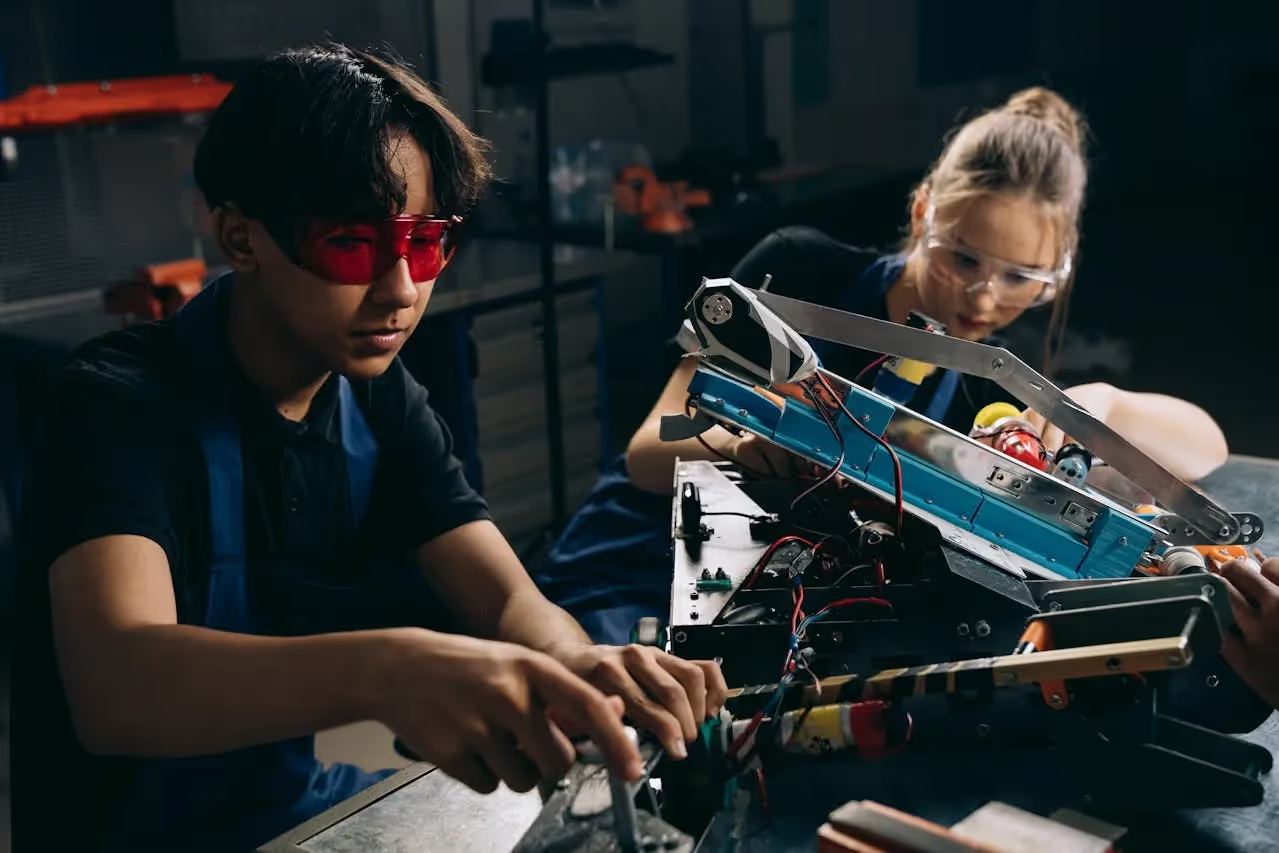
Marine systems are complex. Students need welding labs, CAD design tools, electrical systems simulators, and programmable logic controller training.
4. Transfer Pathways
Strong programs allow students to move from an associate degree into a four-year engineering degree without losing credits.
5. Career Outcomes
Top programs demonstrate job placement pipelines into shipbuilding, mechanical engineering technology, electrical controls, and naval design roles.
Top Marine Engineering Technology Pathways in Marinette
Northeast Wisconsin Technical College (NWTC) – Marine & Engineering Technologies
Northeast Wisconsin Technical College plays a central role in supplying skilled marine manufacturing professionals. Its proximity and partnership with Marinette’s shipbuilding operations make it one of the strongest technical options in the region.
Key Programs Relevant to Marine Engineering Technology:
- Mechanical Design Technology
- Electro-Mechanical Technology
- Welding Technology
- Industrial Maintenance
- CAD and Engineering Design
NWTC also operates the North Coast Marine Manufacturing Training Center in partnership with local industry. This facility focuses on shipbuilding-specific skills such as:
- Pipefitting for marine systems
- Marine electrical installation
- Blueprint reading for ship construction
- Aluminum and steel welding
Typical Duration: 1–2 years for technical diplomas or associate degrees.
Career Pathways: Marine technician, production engineer support, mechanical designer, systems technician.
Advantage: Strong direct hiring pipeline into local shipyards.
University of Wisconsin–Green Bay, Marinette Campus
The University of Wisconsin–Green Bay Marinette Campus provides foundational engineering and STEM education. While not exclusively marine-focused, it supports students beginning engineering degrees who plan to specialize later.
Program Strengths:
- Pre-engineering transfer programs
- Mathematics, physics, and calculus foundations
- Affordable in-state tuition pathway
Students often complete general engineering coursework here before transferring to four-year engineering programs within the University of Wisconsin System.
Best For: Students seeking a bachelor’s degree in mechanical, electrical, or naval engineering with future specialization in marine systems.
Fincantieri Marinette Marine – Engineering Careers & Apprenticeships
While not a degree-granting institution, Fincantieri Marinette Marine Careers represents the region’s most important practical training environment.
The company routinely hires:
- Marine Engineers
- Mechanical Systems Engineers
- Electrical Engineers
- Manufacturing Engineers
- Naval Architects
Through workforce development partnerships, students from NWTC and UW–Green Bay often gain internships or co-op exposure tied directly to naval contracts.
Why This Matters: Federal defense shipbuilding contracts ensure stable, long-term employment opportunities and advanced technical project exposure.
Program Comparison: Choosing the Right Path
InstitutionCredentialDurationHands-On TrainingDirect Industry LinkBest ForNWTCTechnical Diploma / Associate Degree1–2 YearsExtensive Labs & Marine CenterVery StrongImmediate workforce entryUW–Green Bay MarinetteTransfer / Pre-Engineering2 YearsModerateIndirectBachelor’s pathwayFincantieri PartnershipsApprenticeship / EmploymentVariesOn-site Shipyard TrainingDirect EmployerApplied engineering careers
Curriculum Focus Areas in Marine Engineering Technology
The strongest programs in Marinette incorporate skill sets directly aligned with naval and commercial shipbuilding needs:
- Marine Propulsion Systems – Understanding diesel engines, turbines, and hybrid systems.
- Electrical Power Distribution – Shipboard power grids and integrated control systems.
- Hull Systems & Structural Engineering – Materials science for marine environments.
- CAD & Digital Ship Design – 3D modeling and blueprint interpretation.
- Advanced Manufacturing – CNC machining and precision welding.
Students pursuing more advanced engineering degrees may later specialize in naval architecture through institutions such as the Society of Naval Architects and Marine Engineers, which sets professional standards in the field.
Career Outlook and Salary Potential in Marinette
Marine engineering technology careers in Marinette benefit from defense contracts and Great Lakes maritime commerce.
According to the U.S. Bureau of Labor Statistics:
- Marine Engineers and Naval Architects earn median salaries above $100,000 nationally.
- Mechanical Engineering Technologists earn median pay around $64,000 per year.
- Skilled welders and industrial maintenance technicians often earn $50,000–$75,000 depending on specialization.
Local wages can be competitive due to defense-industry demand, union roles, and specialized marine certifications.
Workforce Development and Community Impact
Marine engineering technology in Marinette is more than an academic pathway. It is a regional economic engine. Partnerships between NWTC, Fincantieri, and regional development organizations strengthen local hiring pipelines and reduce workforce shortages.
The result is a coordinated system where:
- Students gain job-ready skills.
- Employers access trained talent.
- The local economy benefits from sustained naval contracts.
This integration makes Marinette one of the most strategically positioned small cities in America for aspiring marine engineering technologists.
How to Choose the Best Option for You
Selecting the best marine engineering technology path in Marinette depends on your long-term goals:
- Want to enter the workforce quickly? Choose NWTC’s technical diploma programs tied directly to marine manufacturing.
- Planning for a bachelor’s degree in engineering? Start at UW–Green Bay Marinette and transfer.
- Already technically trained? Apply directly to Fincantieri or pursue advanced engineering certification.
Evaluate tuition costs, accreditation, internship availability, and job placement data before enrolling. Visit campuses, tour labs, and ask about direct shipyard partnerships.
Marinette offers something rare: a tight alignment between education, applied engineering, and large-scale naval production. When choosing the best marine engineering technology pathway, prioritize hands-on training, employer connection, and scalable career growth.
Frequently Asked Questions about Marine Engineering Technology in Marinette
What marine engineering technology options can you study in Marinette?
In Marinette, you can study technical diplomas and associate degrees in areas like mechanical design, electro-mechanical technology, welding, and industrial maintenance at Northeast Wisconsin Technical College (NWTC). You can also start pre-engineering and STEM courses at the University of Wisconsin–Green Bay, Marinette Campus, and then transfer into a four-year engineering program in the broader University of Wisconsin System.
How long does it take to complete a marine engineering technology program in Marinette?
Most technical diplomas and associate degrees at NWTC take about 1–2 years of full-time study. If you start in pre-engineering at UW–Green Bay, Marinette Campus, you usually spend about 2 years there and another 2 years at a four-year university to complete a bachelor’s degree in an engineering field.
What jobs can you get with marine engineering technology training in Marinette?
With marine-focused technical training, you can work as a marine technician, mechanical or electrical systems technician, marine welder, CAD designer, or industrial maintenance technician. With further education, you can move into roles such as marine engineer, naval architect, mechanical engineer, or electrical engineer supporting shipbuilding at employers like Fincantieri Marinette Marine.
What salary can you expect in marine engineering technology careers?
According to the U.S. Bureau of Labor Statistics, marine engineers and naval architects earn median pay above $100,000 per year nationwide, while mechanical engineering technologists earn around $64,000. Skilled welders and industrial maintenance technicians often earn between $50,000 and $75,000, depending on experience and certifications. Local pay in Marinette can vary by employer, union status, and federal defense work.
How is NWTC connected to shipbuilding in Marinette?
NWTC works closely with Marinette’s shipbuilding sector through its North Coast Marine Manufacturing Training Center and other industry partnerships. You train on skills such as marine welding, pipefitting, electrical installation, and blueprint reading that match the needs of local shipyards, including those building naval vessels for long-term federal contracts. You can review NWTC’s technical and engineering offerings on its program list.
How do you choose between a technical diploma and a bachelor’s degree path?
If you want to enter the marine workforce in about 1–2 years with hands-on skills, a technical diploma or associate degree at NWTC is a good fit. If you plan to become a licensed engineer or pursue roles in design, analysis, or naval architecture, starting in pre-engineering at UW–Green Bay, Marinette Campus and then transferring into a four-year engineering program is a better match. You can compare engineering occupations and education needs using the BLS Occupational Outlook Handbook.


.svg)


