


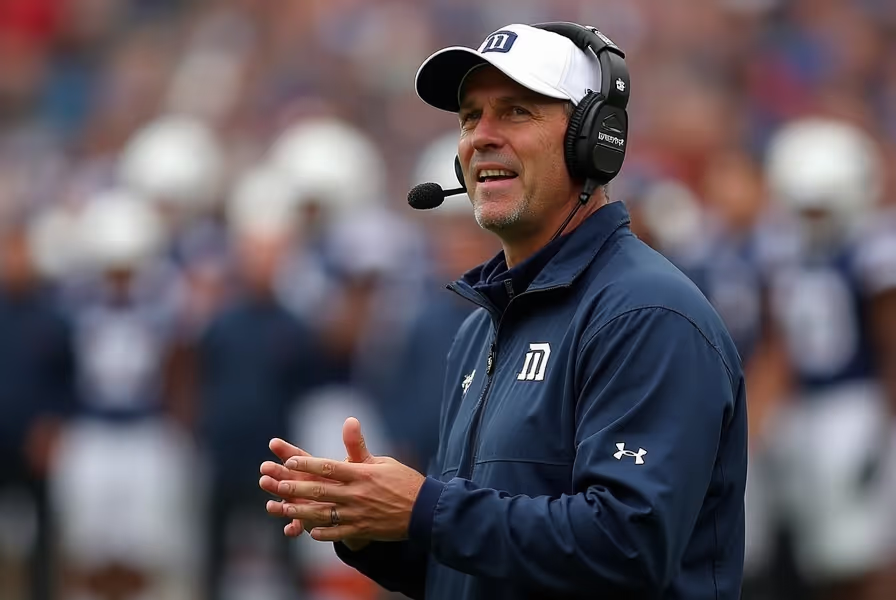
Top Playmakers: College Football Offensive Coordinators Who Shape Winning Programs
College football has always been about more than just the athletes. Offensive coordinators play a huge role in a team's success. These play-callers design high-scoring offenses, develop quarterbacks, and adapt to the ever-changing game. If you want to know which coaches change the game, you’re in the right place.
The Role of an Offensive Coordinator in College Football
An offensive coordinator is like the architect of a team’s attack. This coach:
- Designs plays and offensive schemes
- Makes strategic in-game decisions
- Develops quarterbacks and skill-position players
- Analyzes opposing defenses
- Helps with recruiting offensive talent
Many of the best offensive coordinators later become head coaches. Their ability to inspire and lead gets them noticed by top programs.
Traits of Successful College Football Offensive Coordinators
You'll notice that the top offensive coordinators in college football share several core qualities, including:
- Innovative play calling
- Game planning for explosive offenses
- Quarterback development expertise
- Quick adjustment to defensive schemes
- A collaborative approach with players and coaching staff
Best Offensive Coordinators in College Football Today
Across college football, a few names stand out each season for producing top offenses. Here are some of the most influential and high-performing offensive coordinators entering 2024:
Garrett Riley - Clemson Tigers
Garrett Riley led TCU's historic 2022 run before bringing his high-powered offense to Clemson. Known for fast-paced attacks, Riley helped quarterbacks flourish. His offenses rank among the best for yards gained and points scored.
Phil Longo - Wisconsin Badgers
Phil Longo is recognized for the “Air Raid” system. He’s revived offenses at North Carolina and Ole Miss. In 2024, his challenge is to transform Wisconsin’s traditionally run-heavy approach into a more balanced, high-scoring offense.
Tommy Rees - Alabama Crimson Tide
Tommy Rees joined Alabama in 2023 after a strong tenure at Notre Dame. Known for blending a powerful run game with creative passing concepts, Rees’s offenses adapt well to any roster and quarterback.
Will Stein - Oregon Ducks
Will Stein took over play-calling at Oregon and immediately kept their attack among the nation’s highest in scoring and total offense. Using tempo, spread formations, and versatile personnel, Stein keeps defenses guessing every drive.
Jeff Lebby - Mississippi State Bulldogs
After years at Oklahoma and Ole Miss, Jeff Lebby is now at Mississippi State. Lebby is famous for up-tempo and aggressive offensive play, helping QBs post huge passing numbers. His teams always push the pace.
Kendal Briles - TCU Horned Frogs
Kendal Briles applies the “veer and shoot” scheme, producing dynamic plays in both running and passing. His offenses have set records at Arkansas, Florida State, and Baylor. At TCU, fans expect another thrilling season.
How Offensive Coordinators Impact College Football Recruiting
The best offensive coordinators in college football attract top talent. Recruits look for:
- Proven quarterback development
- A system that showcases wide receivers and running backs
- Up-tempo, high-scoring offenses that get national attention
- A pathway to the NFL through skill development
If you’re a player, the offensive system and its coordinator are key factors for your development and draft prospects.
Notable Examples: Former OC Success Stories
Some of today’s most successful head coaches started as offensive coordinators in college football. A few examples include:
- Lincoln Riley (University of Southern California) - Mastermind behind Oklahoma’s Heisman-winning quarterbacks
- Ryan Day (Ohio State University) - Developed explosive Buckeye offenses before becoming head coach
- Steve Sarkisian (University of Texas) - Rebuilt Alabama’s offense, now leading Texas
Their time as coordinators shaped their signature offensive philosophies and shaped powerhouse programs.
What Makes an Offensive Coordinator “The Best”?
While stats and records matter, being a top offensive coordinator goes beyond the numbers. It involves:
- Continuous adaptation to defensive innovations
- Building strong relationships with players and staff
- Consistent improvement in scoring and yardage
- Performance in high-pressure games (rivalries, playoffs, bowl games)
- Ability to innovate within the college football landscape
Great coordinators pave the way for undefeated seasons, playoff runs, and memorable moments in college football history.
Frequently Asked Questions About Top Offensive Coordinators in College Football
What does an offensive coordinator do in college football?
An offensive coordinator is in charge of designing and calling plays, setting the offensive strategy, developing players (especially quarterbacks), and adjusting the game plan in response to opposing defenses. They work closely with the head coach and position coaches to ensure the offense runs smoothly.
Who is considered the best offensive coordinator in college football currently?
Several coordinators are considered among the best, including Garrett Riley (Clemson), Phil Longo (Wisconsin), Tommy Rees (Alabama), Will Stein (Oregon), and Jeff Lebby (Mississippi State). The answer often depends on current year performance and offensive production.
How do offensive coordinators affect recruiting in college football?
Offensive coordinators can attract top prospects by running exciting, high-scoring offenses, helping players reach the NFL, and offering systems that highlight player skills. Elite recruits often pick schools with proven coordinators they trust to develop their talent.
Can a great offensive coordinator become a college head coach?
Yes, many of today’s successful head coaches began as stand-out offensive coordinators. Their play-calling skills and leadership often lead to head coaching opportunities at both the college and NFL levels.
What are the signs of an elite offensive coordinator?
You can spot an elite offensive coordinator by high scoring averages, consistent offensive production, balanced run-pass strategies, player improvement, and successful performances in rivalry or playoff games.

.svg)


