


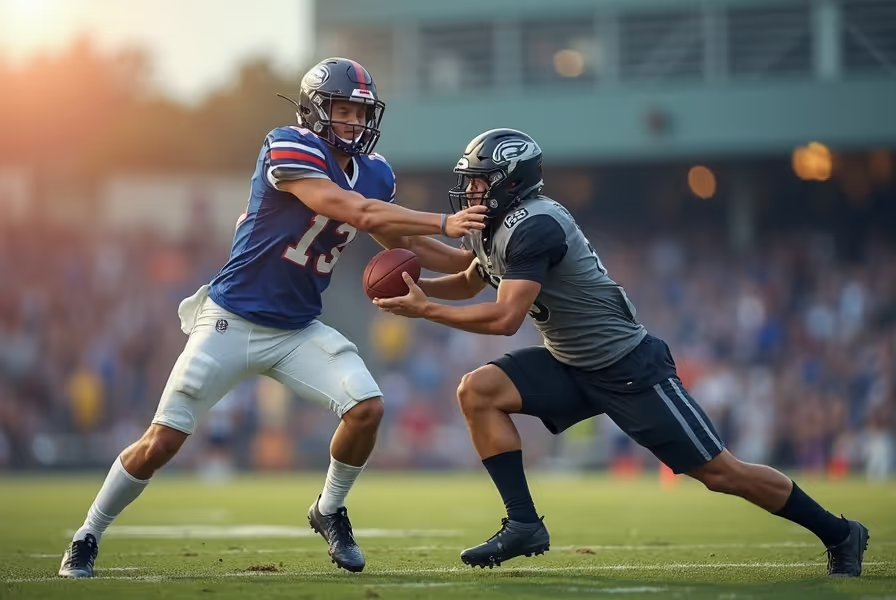
Exploring the Possibility of Dual-Sport Participation in College
Many talented student-athletes want to know: Can you play two sports in college? Juggling academics and athletics is already a big commitment, and adding a second sport sounds intense. But for highly motivated, organized, and passionate individuals, competing in two college sports is not just a dream—it’s a real possibility.
Understanding Dual-Sport College Athlete Eligibility
Most colleges and universities in the U.S. compete under the rules of the NCAA (National Collegiate Athletic Association), NAIA (National Association of Intercollegiate Athletics), or NJCAA (National Junior College Athletic Association). Each body sets specific rules on college sports eligibility and dual-sport participation.
- NCAA: You may play two sports in college as long as you meet academic and eligibility requirements for both.
- NAIA and NJCAA: Rules are similar, but always check with your school’s athletic department for details.
The key requirement is you must meet the eligibility standards for each sport independently. That means maintaining the required GPA, course load, and amateur status.
Common Rules for Playing More Than One Sport in College
While each school or athletic conference may have its own policies, here are the main NCAA and college guidelines to know if you want to play multiple sports in college:
- Full-Time Status: You must be enrolled as a full-time student during your sports seasons.
- Eligibility: Your seasons of eligibility (generally four seasons per sport) are counted for each sport, not combined.
- Seasons of Competition: Competing in a game or event in any sport triggers a season of eligibility for that sport only.
- Offseason Requirements: Each sport has required practices and offseason commitments.
- Practice/Game Overlaps: Conflicts during overlapping seasons must be coordinated with coaches.
- Coach and Department Approval: Both sports’ coaches and the athletic director must agree, and you may need to sign a policy form or written agreement.
Which Sports Pair Well for College Dual Athletes?
The most common college dual-sport combinations involve sports with little seasonal overlap or similar skill sets. Examples include:
- Football and Track & Field: Many football players run sprints or throw during the spring.
- Soccer and Basketball: With some discipline, you can play fall soccer and winter basketball.
- Baseball and Basketball: Some athletes compete in basketball during winter and baseball in spring.
- Lacrosse and Ice Hockey: Women’s ice hockey (winter) and lacrosse (spring) can sometimes be combined.
Sports that require similar physical training or have less schedule overlap make balancing two sports in college easier.
Time Management Challenges for College Multi-Sport Athletes
Playing two collegiate sports is rewarding but demanding. You’ll need exceptional time management skills and self-discipline.
- Busy days with practices, games, lifting, and travel
- Academic requirements never pause
- Less downtime and social life compared to peers
- Must communicate early and often with professors and coaches
Most dual-sport college athletes thrive due to their love of competition, high motivation, and strong support systems. It’s hard work, but many succeed both athletically and academically.
Scholarships and Recruitment for Two Sports in College
If you’re interested in scholarships for two sports, here’s what you need to know:
- If you are recruited for both sports, colleges may offer a split or full scholarship based on your primary sport.
- NCAA regulations state you cannot exceed the limit for the sport with the higher scholarship limit.
- Most dual-sport athletes receive funding from just one sport—usually the one in which they are strongest or most in-demand.
Speak with both coaches about scholarship opportunities and how they affect your eligibility or schedule.
Advice for Aspiring Dual-Sport College Athletes
- Create a plan for your academic and athletic calendar each semester.
- Build strong relationships with academic advisors, coaches, and teammates.
- Focus on nutrition, sleep, and recovery to prevent injuries and burnout.
- Stay proactive about eligibility and compliance rules for each sport.
- Don’t be afraid to ask for help if you feel overwhelmed.
Many successful dual-sport athletes credit their success to strong time management, open communication with coaches, and an unwavering love of both sports.
Frequently Asked Questions About Playing Two Sports in College
Is it allowed to play two sports in NCAA colleges?
Yes, the NCAA allows students to participate in two sports as long as they meet eligibility requirements for each sport and receive approval from both coaches and the athletic department. Time management and academic standards still apply.
Can I get scholarships for both sports?
Generally, you will receive a scholarship from your primary sport. You cannot receive multiple full scholarships beyond NCAA rules. Discuss scholarship options with both coaches to understand your situation.
Do I have to attend all practices for both sports?
You should participate in practices and meetings for both sports. However, coaches often coordinate to minimize schedule conflicts, especially during overlapping seasons. Open communication is vital.
Are there any disadvantages to playing two sports in college?
Playing two sports increases your commitments and stress, and you’ll have less free time. Risk of injury or fatigue can also rise. Good support, time management, and self-care help many athletes find success.
Which college has the largest enrollment in the U.S.?
As of the 2023–24 academic year, Texas A&M University in College Station has the highest enrollment of any individual campus in the U.S., with approximately 77,491 students. It is followed by the University of Central Florida at around 69,316 students.



.svg)


