


The Importance of Nursing Beyond Medication
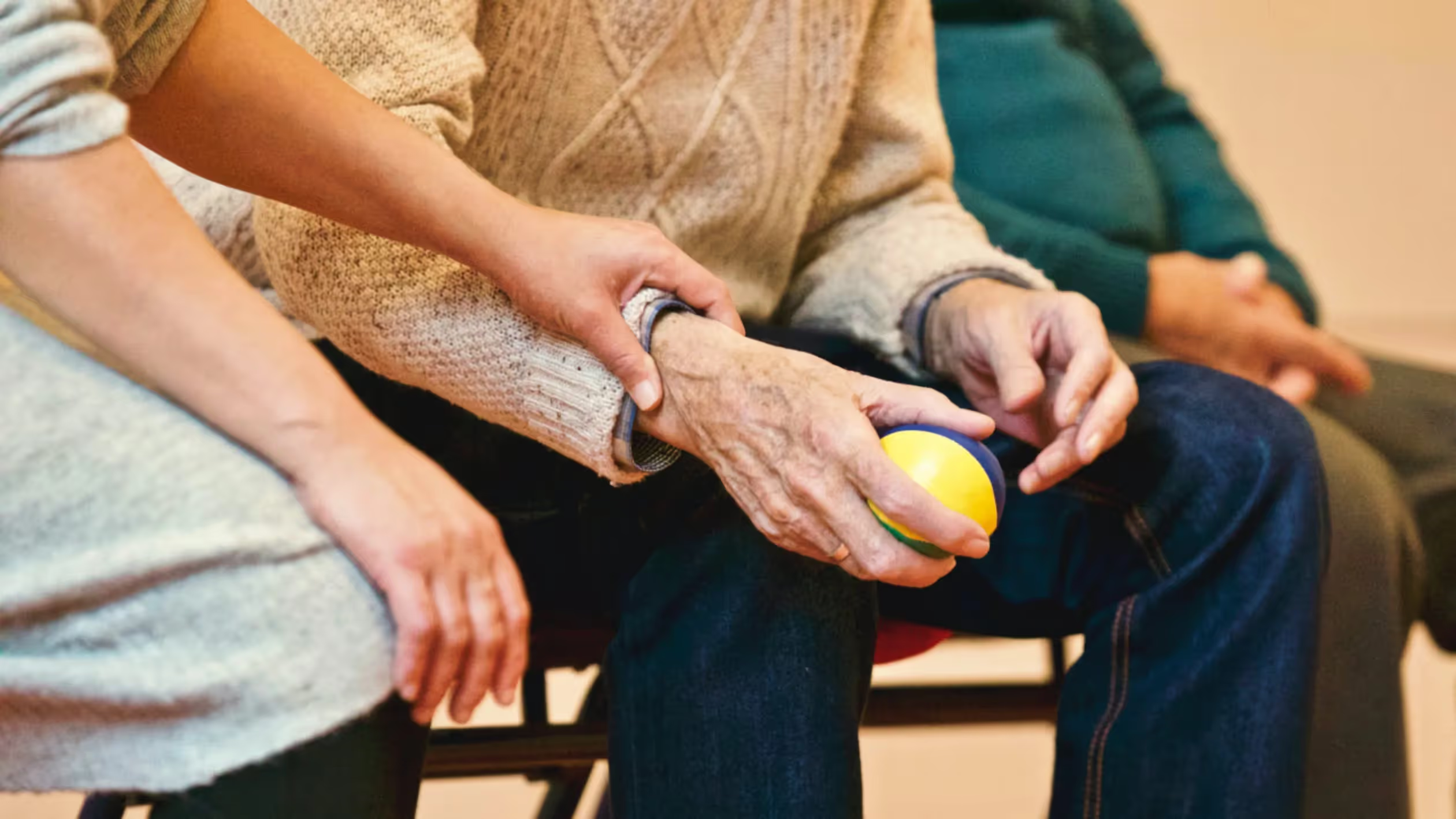
Nursing is much more than giving prescriptions or following doctors’ orders. Nurses provide comfort, support, and connection to patients and families. You bridge the gap between clinical treatment and compassionate care. This holistic approach helps patients heal emotionally as well as physically. It’s a powerful reminder that real healing involves both science and empathy.
From listening to a worried patient to advocating for better care, your role shapes the healthcare experience. Nurses often spot subtle changes in patients before anyone else. You’re there through fear, pain, and recovery. That’s what makes nursing unique in healthcare—caring beyond medicine alone.
Core Values and Skills in Compassionate Nursing Care
Every successful nurse develops skills that go well beyond technical medical training. By focusing on these qualities, you can make a lasting impact on patient well-being and satisfaction.
- Empathy: Understanding a patient’s emotions and viewpoints.
- Active Listening: Hearing both spoken words and unspoken feelings.
- Advocacy: Ensuring patients’ wishes and rights are respected.
- Cultural Competence: Delivering care that’s mindful of cultural, spiritual, and social backgrounds.
- Patience: Remaining calm in stressful or emotional situations.
When you demonstrate these core nursing values, patients feel valued—and healing is enhanced.
Building Therapeutic Nurse-Patient Relationships
At the heart of nursing is the bond you form with patients. You create a safe environment where patients can share fears and ask questions without judgment. A therapeutic relationship builds trust and encourages honest communication—both vital for recovery.
Key ways nurses support patient-centered care include:
- Maintaining eye contact, using names, and addressing concerns directly
- Providing clear explanations about treatments and medications
- Checking understanding and encouraging questions
- Respecting patient preferences and privacy
Strong nurse-patient connections can ease anxiety, improve compliance, and even shorten hospital stays. This goes far beyond giving prescriptions—it’s about treating people, not just conditions.
The Art of Holistic Patient Advocacy
Holistic care means supporting the whole person. You consider physical, mental, emotional, and social factors. Advocacy comes into play when you speak up for your patient’s wishes or needs—sometimes even challenging other healthcare professionals if something feels off.
Examples of holistic advocacy in nursing:
- Coordinating extra support for a patient with limited family or resources
- Ensuring pain is managed appropriately and not dismissed
- Recognizing signs of depression or anxiety and connecting patients with counseling
- Educating families on at-home care and recovery steps
By advocating holistically, you champion the best outcomes for every patient, regardless of their background or condition.
Communicating Effectively with Patients and Families
Clear communication is one of the top nursing skills for patient safety and trust. You translate complex medical information into language patients understand. This helps avoid misunderstandings and mistakes.
Effective strategies for nurse communication include:
- Using simple terms instead of medical jargon
- Checking patient understanding after instructions
- Listening to concerns without judgment
- Offering written and verbal instructions for discharge or at-home care
Family members look to you for support and answers, especially during stressful times. Your guidance often brings comfort during uncertainty or illness.
Adapting to Patients’ Cultural and Individual Needs
You will care for people from many backgrounds. Excellent nurses adapt to each patient’s unique needs and beliefs. This includes understanding religious practices, dietary restrictions, or family traditions related to illness and healing.
Ways to provide culturally competent nursing care:
- Asking about important rituals or personal preferences
- Allowing space for family involvement or prayer
- Respecting personal boundaries and privacy standards
- Learning common cultural beliefs about illness and wellness
When you respect these differences, patients feel heard and included. This strengthens trust and improves patient satisfaction scores.
How Technology Supports Human-Centered Nursing
Healthcare changes constantly. New technology and electronic health records are a part of daily nursing life. But no robot or digital device can replace your compassion, intuition, or personal care. Technology supports communication and efficiency, but it’s your attention that makes care special.
Tips for blending technology with holistic nursing:
- Use digital records to track patient needs and reduce errors
- Rely on technology to monitor vitals, but trust your instincts for early warning signs
- Stay present during patient care, even when using devices or screens
Technology is a tool. You are the heart of patient care.
Frequently Asked Questions
What does "caring beyond prescriptions" mean in nursing?
Caring beyond prescriptions means providing emotional support, advocacy, and personalized care in addition to medical treatment.
How do nurses show empathy in their daily practice?
Nurses show empathy by listening actively, acknowledging patient feelings, and responding to emotional needs as well as physical ones.
Why is communication important in nursing care?
Clear communication ensures patient safety, improves understanding, and builds trust between patients, families, and the healthcare team.
What is holistic nursing care?
Holistic nursing care addresses physical, emotional, social, and spiritual needs for complete patient well-being.
How do nurses advocate for patients?
Nurses advocate by speaking up for patient needs, ensuring their rights are respected, and coordinating care for the best possible outcomes.


.svg)


