


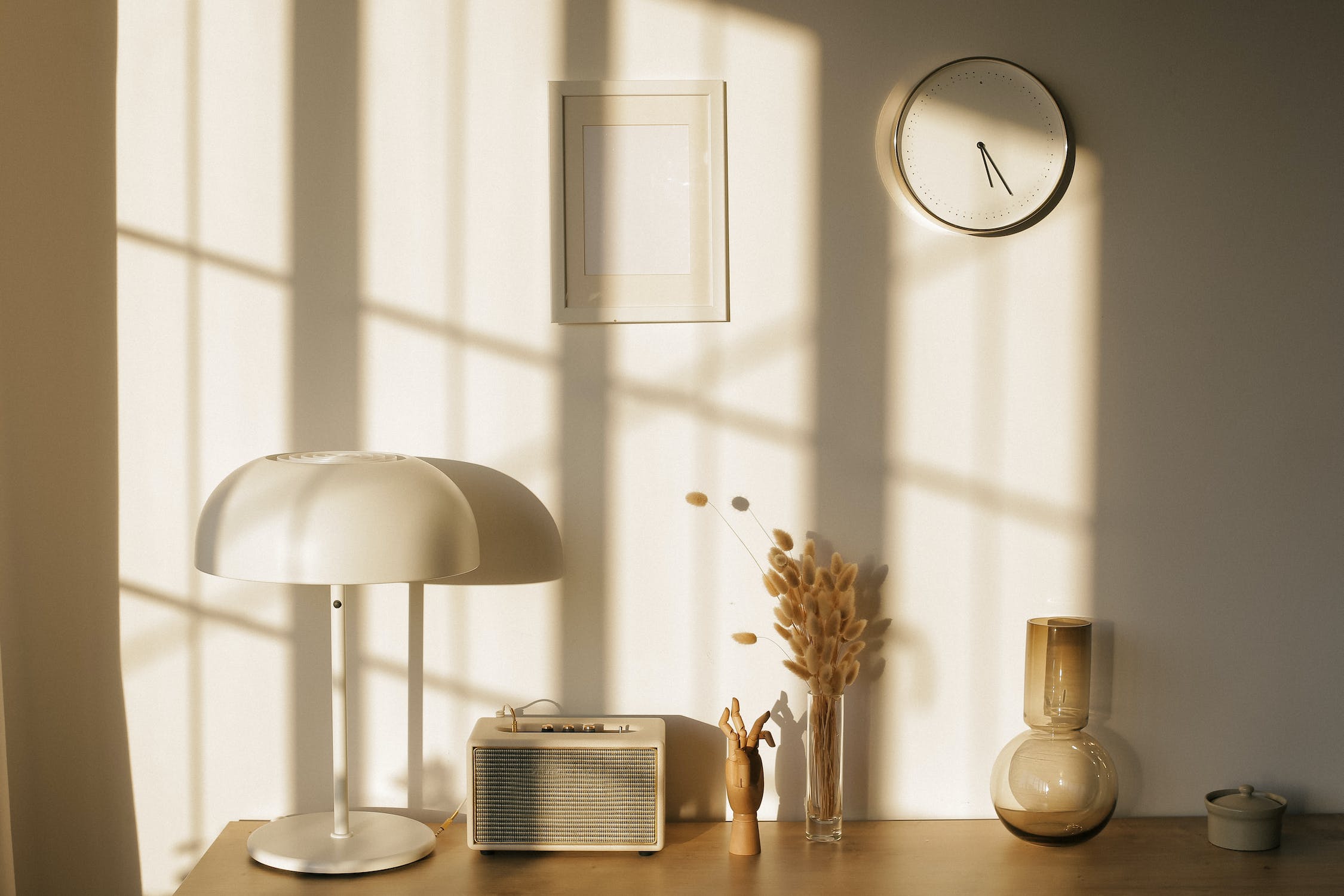
Exploring Interior Design Careers as a Student
Are you fascinated by spaces that inspire creativity and comfort? Starting an interior design career lets you blend imagination with real-world skills. As a student, you have many ways to build a career in interior design. You'll discover how to turn your passion for creative spaces into work that makes a visible difference every day.
In your first steps, you'll learn about the core interior design skills, leading jobs in the field, education paths, and practical ways to gain experience. This guide breaks down what you need to know and where to start.
What Does an Interior Designer Do?
Interior designers shape functional, beautiful spaces. You work with colors, furniture, lighting, and layouts. Projects can range from cozy apartments to large offices. Your role is to listen to clients, create mood boards or digital sketches, choose materials, and solve challenges like storage or accessibility.
Key tasks can include:
- Meeting with clients to understand needs and style preferences
- Creating designs using drawing or 3D software (like AutoCAD or SketchUp)
- Selecting colors, fabrics, flooring, and furniture
- Working with architects and construction teams
- Managing projects and budgets
Popular Career Paths in Interior Design
Interior design is a broad field with many specialized roles. Depending on your interests, you might explore:
- Residential Designer: Focus on homes, apartments, and private living spaces
- Commercial Designer: Design businesses, offices, hotels, and restaurants
- Healthcare Designer: Create safe, welcoming hospitals and clinics
- Lighting Designer: Specialize in the impact and layout of lighting
- Set Designer: Develop settings for TV, film, or theater productions
- Sustainable Designer: Use eco-friendly materials and energy-smart solutions
- Exhibit Designer: Build layouts for museums, galleries, or trade shows
Each role calls for a mix of creativity and technical skill. Look for internships or portfolio-building projects in the area you find most exciting.
Essential Skills for Interior Design Students
Building creative spaces takes more than just a good eye for color. Some must-have interior design skills include:
- Visual creativity and attention to detail
- Strong communication and listening skills
- Project management and organization
- Knowledge of design software like AutoCAD, Revit, or Adobe Creative Suite
- Basic understanding of architecture and construction
- Awareness of trends, styles, and sustainability in interior design
Practice these skills both in and out of the classroom. Many student designers join clubs or volunteer for local projects to gain hands-on experience early.
Education and Certification Paths
Most interior design careers start with education. In the U.S., you can earn an associate’s or bachelor’s degree in interior design or a related field. Coursework often covers design principles, drawing, color theory, and building codes.
Some states require you to pass the National Council for Interior Design Qualification (NCIDQ) exam. You’ll need a mix of accredited education and supervised work experience to qualify for the exam. Even where not required, certification shows credibility to clients and employers.
Other ways to boost your portfolio and knowledge include:
- Online interior design courses or bootcamps
- Workshops and summer programs for high school or college students
- Joining student chapters of design organizations, like ASID or IIDA
How to Gain Real-World Experience
You’ll stand out in interior design with hands-on practice. Here’s how students can build a competitive edge:
- Internships: Apply for paid or volunteer positions with design studios, architecture firms, or furniture companies
- Freelance Projects: Redesign a friend’s room or help a community center
- Portfolio Development: Document every project with before-and-after photos, sketches, or digital renders
- Job Shadowing: Spend time with a professional designer to see daily tasks and workflow
- Networking: Attend design events, workshops, or join online forums to connect with mentors
Consistent practice helps you grow your design style and confidence. Your portfolio matters more than grades when you’re applying for interior designer jobs.
Interior Designer Salary Expectations
Understanding hourly and annual pay rates is key for career planning. According to the U.S. Bureau of Labor Statistics, the median annual salary for interior designers is about $61,590 as of 2022. Top designers in high-demand areas or with specialized skills often earn more. Entry-level salaries start lower but increase with experience, project size, and location.
Some designers work full-time for design firms. Others choose freelance or contract work, which can offer flexibility and higher earning potential depending on your client base. Remember, building a strong portfolio and network is just as vital as formal education to boost your salary over time.
Frequently Asked Questions
What education is needed to become an interior designer?
You typically need an associate’s or bachelor’s degree in interior design or a related field. Accredited programs are preferred by employers and for certification exams.
What are the main job responsibilities of an interior designer?
Interior designers plan, design, and furnish spaces. They meet clients, create layouts, choose materials, and oversee the installation of elements like furniture and lighting.
Is a license or certification required for interior design jobs?
Some U.S. states require certification through the NCIDQ exam. Even where not required, certification improves job prospects and credibility.
How much do interior designers earn per year?
The median annual salary for U.S. interior designers is about $61,590. Pay varies by experience, job type, and location.
What skills do you need to be a successful interior designer?
You need creativity, attention to detail, design software skills, communication, and knowledge of color, materials, and space planning.






.svg)


