


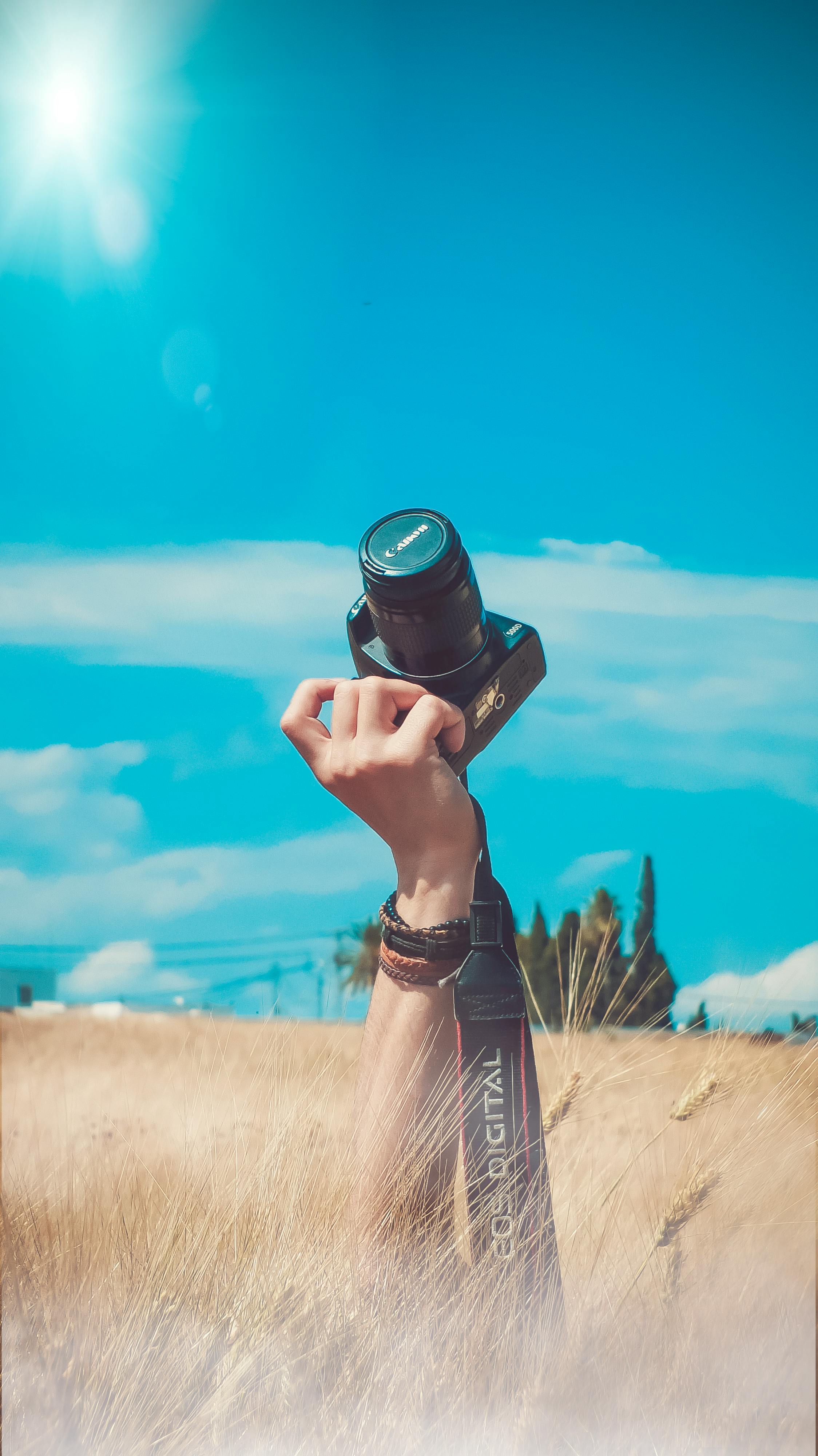
Understanding the World of Professional Photography
Photography offers endless creative possibilities. You can capture moments, tell stories, and build a rewarding career. Today, the demand for skilled photographers is higher than ever. From portrait and wedding photography to commercial, real estate, and digital media, dozens of fields need your talent. By focusing on key skills and the right career strategy, you can frame a future filled with growth and fulfillment in the photography industry.
Essential Skills for a Successful Photography Career
Your journey begins with a foundation of technical and creative skills. Mastering both is crucial for building a long-term career as a photographer. Here’s what you need:
- Understanding exposure, lighting, and camera settings
- Developing strong composition techniques
- Editing photos with software like Adobe Lightroom and Photoshop
- Managing client relationships and effective communication
- Marketing yourself online and offline
Regular practice helps refine each of these skills. As you build your portfolio, your confidence and expertise will grow.
Popular Photography Career Paths
You can take many paths in photography. Explore specializations to discover what excites you most. Some of the most in-demand career paths include:
- Portrait Photographer – Capture individual or group images for clients and events.
- Wedding and Event Photographer – Document life events that matter.
- Commercial or Product Photographer – Shoot items for brands, advertisements, or e-commerce.
- Photojournalist – Tell stories for news media, magazines, and online publications.
- Real Estate Photographer – Highlight properties for agents or owners.
- Fine Art Photographer – Create work for galleries and collectors.
- Sports and Action Photographer – Capture thrilling moments at live events.
Each path has unique demands and rewards. Your interests will guide where you focus your energy and learning.
Freelance vs. Employment: Choosing Your Direction
Most photographers work as freelancers, running their own business. Some find stability in full-time roles with media outlets, studios, or corporate teams.
- Freelancers manage their schedule, set rates, and build direct relationships with clients.
- Employed photographers often have benefits, reliable income, and focused assignments.
Consider your personality and career goals. Both paths can be successful and satisfying.
Education and Building Your Portfolio
You don’t need a college degree to start in photography, but training helps. Many begin with courses, workshops, or online tutorials. Study photography basics, camera technology, and editing skills. Join local camera clubs or social media groups for support and tips.
Your portfolio is your calling card. Start with personal or volunteer projects, then expand into paid shoots as you gain skill. Showcase only your best work to attract clients or employers.
Upgrading Your Equipment Without Overspending
You can start with affordable equipment. Entry-level DSLR or mirrorless cameras and kit lenses produce professional results. As you grow, invest in:
- Quality prime and zoom lenses
- External flashes and lighting gear
- Sturdy tripods and carrying cases
- Photo editing software
Buy gear as your budget allows. Focus more on skill-building than acquiring new technology.
Marketing Yourself in the Photography Industry
Success means more than taking great photos. You must also promote your services. Here’s how you can stand out:
- Create an online portfolio website with your best images and contact information.
- Use social media platforms like Instagram and Facebook to show your latest work.
- Network with local businesses, art shows, and photography organizations.
- Ask satisfied clients for reviews and referrals.
- Continue learning with online courses, photography podcasts, and industry blogs.
Marketing builds your reputation and brings in quality clients, whether you focus locally or globally.
Potential Income and Career Growth in Photography
Salaries in photography vary widely. Entry-level photographers may earn around $30,000 per year. Experienced professionals in high-demand fields can earn six-figure incomes, especially in commercial or specialized work. According to the U.S. Bureau of Labor Statistics, the median annual wage for photographers in the United States was $38,950 in 2022.
Growth comes from specialization, strong client relationships, and ongoing education. Many photographers expand into teaching, workshops, photo editing, or video production as side income streams.
Frequently Asked Questions
What qualifications do you need for a career in photography?
Most photography jobs do not require a college degree. Practical experience, a strong portfolio, and ongoing learning are more important than formal qualifications.
How much do professional photographers earn?
Photographer earnings vary by specialty, location, and experience. According to the U.S. Bureau of Labor Statistics, the median pay was $38,950 per year in 2022.
Which field of photography is most in demand?
Portrait, wedding, commercial, and real estate photography are in high demand. Social media and digital marketing have also increased demand for quality content.
How do you build a photography portfolio with no experience?
Start by photographing friends, events, or your community. Join local groups and volunteer for small projects to gain experience and build your portfolio.
What equipment do beginner photographers need?
A beginner can start with an entry-level DSLR or mirrorless camera, a basic lens, and photo editing software. Upgrade gear as you gain experience.







.svg)


