


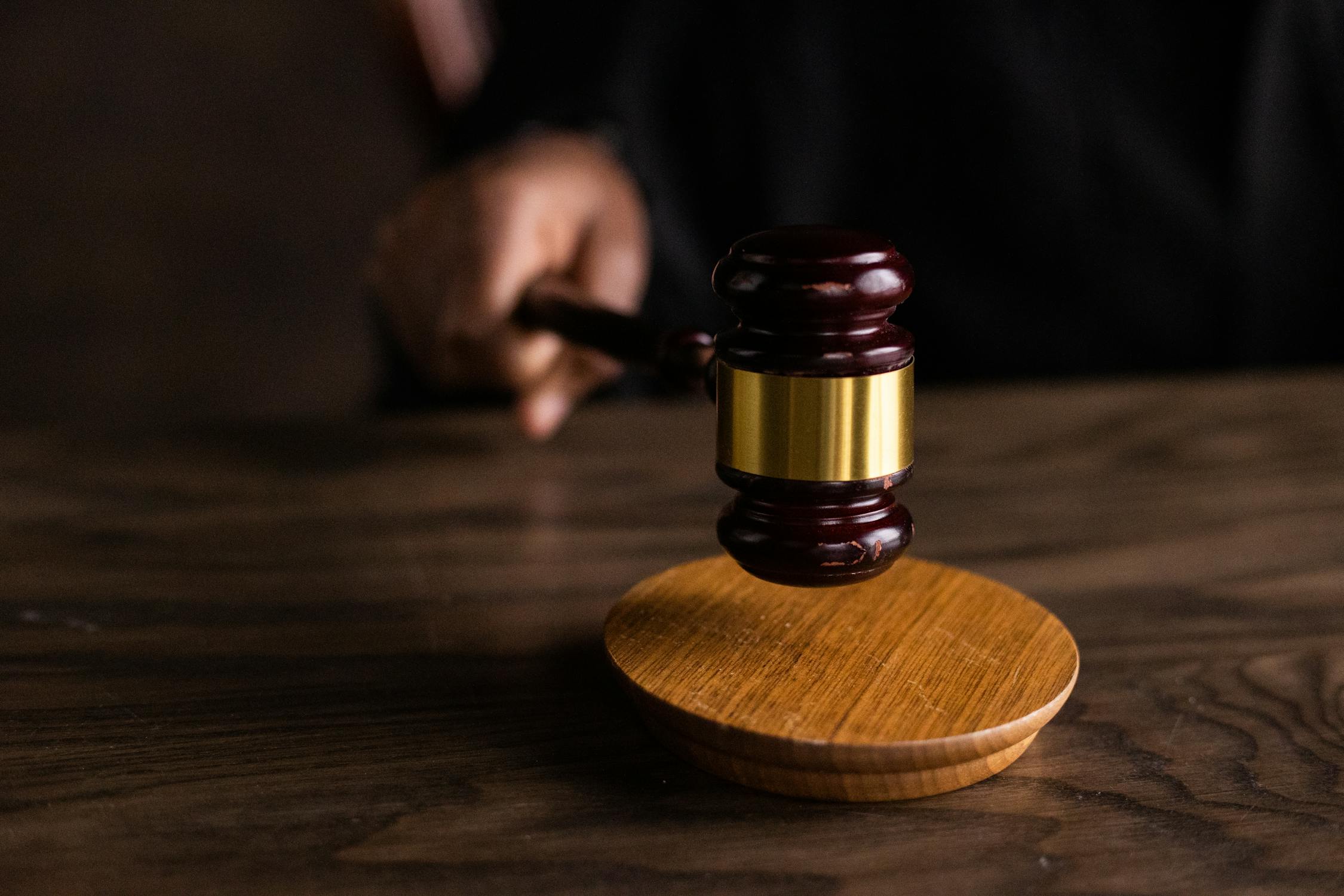
Understanding the Criminal Justice System
The criminal justice system shapes justice, law, and order in the United States. You often hear about police, courts, and corrections. But how do they work together in real life? Knowing how criminal cases move through this system helps you understand your rights and the impact of crime on society.
This guide breaks down each part of the process, explains what really happens, and shares how justice works from start to finish using high-volume keywords related to criminal law, justice reform, and the legal process.
The Key Pillars: Police, Courts, and Corrections
The entire system rests on three main parts, each with a unique role in maintaining public safety and justice.
- Law enforcement: Local police, state troopers, and federal agents investigate crime and arrest suspects.
- Court system: Judges, prosecutors, defense attorneys, and juries decide guilt or innocence according to criminal law.
- Corrections: Prisons, jails, probation, and parole agencies carry out sentences, supervise offenders, and manage rehabilitation programs.
What Happens When a Crime Occurs?
When a crime is reported, law enforcement responds quickly. Officers secure the scene, collect evidence, and interview witnesses. If they find probable cause, they arrest a suspect. The criminal case then enters a series of formal steps, each crucial to ensuring due process and upholding civil rights.
Criminal Justice Process: Step by Step
The process is long but structured. Each stage protects your rights and seeks a fair outcome for both victims and defendants.
- Investigation and Arrest: Police gather facts and make an arrest if they have enough evidence.
- Booking and Initial Appearance: The accused is taken to jail, fingerprinted, and brought before a judge for a bail hearing.
- Charging decisions: Prosecutors decide if formal criminal charges should be filed based on available evidence.
- Plea bargains: Most cases end with a negotiated plea deal rather than a trial. Plea bargains can reduce sentences or charges.
- Preliminary hearings and trials: Judges hear evidence and decide if the case goes forward. If it does, a jury or judge determines guilt or innocence.
- Sentencing: If convicted, the defendant receives penalties such as fines, probation, prison time, or community service.
- Corrections and rehabilitation: Sentences are carried out, with the possibility of parole, probation, or rehabilitation programs tailored to the offender.
The Role of Criminal Defense and Prosecution
Defense attorneys protect your legal rights, provide counsel, and ensure fair treatment under the law. Prosecutors work for the state, presenting evidence and trying to obtain a conviction. Both sides play a critical part in the adversarial court system, driven by strict legal standards and ethical guidelines.
Your Rights in the Legal System
If you face charges, the U.S. Constitution and state laws offer strong protections. Understanding these rights ensures you are treated fairly at every stage of the process.
- The right to remain silent (Fifth Amendment)
- The right to legal counsel (Sixth Amendment)
- The right to a speedy and public trial
- The right to be presumed innocent until proven guilty
- Protection against double jeopardy
- Protection against cruel and unusual punishment
Knowing your rights is the best defense against unfair treatment. If you’re unsure, consult a legal expert or public defender to navigate the criminal justice process.
Criminal Justice Reform: Current Issues and Changes
In recent years, criminal justice reform has become a top priority nationwide. Calls for reform focus on fairness, reducing bias, and creating a system that serves all communities equally.
Major Topics in Justice Reform
- Police accountability and use of force reforms
- Ending mass incarceration and reducing mandatory minimum sentences
- Expungement and reentry programs for former inmates
- Bail reform to ensure fairness regardless of income
- Alternatives to incarceration, such as restorative justice
Reform efforts ask: Is the system effective at deterring crime and supporting rehabilitation? Many experts support programs that break the cycle of crime and offer second chances.
The Impact of Crime and Justice on Communities
Crime affects everyone, but certain groups may face unique challenges. High-crime neighborhoods can suffer economic loss, fear, and mistrust of police. On the other hand, effective law enforcement and fair courts protect families, support businesses, and build trust in government.
How You Can Stay Safe and Informed
- Know your local laws and law enforcement agencies
- Report suspicious activity or crime to police
- Educate yourself on crime prevention resources
- Get involved in community safety programs
Staying informed and proactive makes a real difference. A safer community starts with everyone playing a part in upholding law and order.
Frequently Asked Questions
What is the criminal justice system?
The criminal justice system is the network of law enforcement, courts, and corrections agencies that work together to enforce laws, prosecute crimes, and carry out sentences.
What happens after someone is arrested?
After arrest, a suspect is booked at a police station, appears before a judge for a bail hearing, and then faces possible charges or release depending on the case.
What rights do defendants have in a criminal trial?
Defendants have the right to remain silent, the right to legal counsel, a speedy trial, and the right to be presumed innocent until proven guilty.
How does bail work in the criminal justice system?
Bail lets a defendant pay money to be released from jail before trial, provided they return to court as scheduled.
What is the purpose of criminal justice reform?
Criminal justice reform seeks to make the legal system more fair, reduce incarceration rates, eliminate bias, and offer better paths for rehabilitation and reentry.



.svg)


