


The Vital Role of Nurses in Patient Care
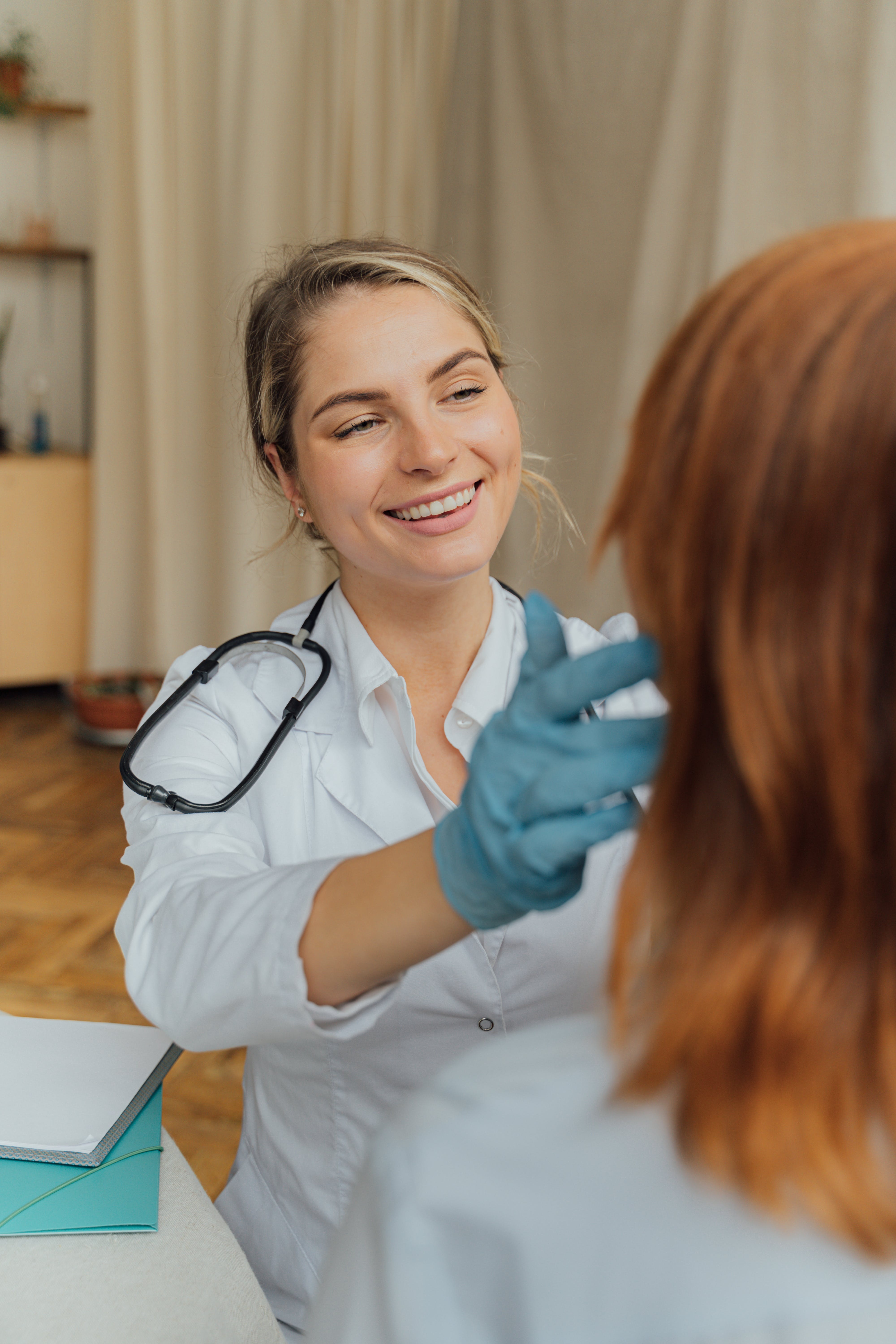
Nurses are the backbone of the healthcare system. You interact with nurses during nearly every medical visit, whether it's in a hospital, clinic, or care facility. As the first point of contact, nurses assess symptoms, manage care, and offer emotional support to patients and families. Their expertise and compassion drive better patient outcomes and smooth hospital operations.
What Nurses Do Beyond Basic Care
Nursing goes far beyond bedside care. Nurses play essential roles in:
- Monitoring vital signs and noticing changes in patient health
- Administering medications and treatments safely
- Educating patients about conditions, treatments, and medications
- Coordinating care among doctors, specialists, and therapists
- Providing critical care in emergency and intensive care settings
Nurses also support families during stressful times and advocate for patients who can't speak for themselves. This includes helping you understand diagnoses, making tough healthcare decisions, and ensuring you get the care you deserve.
Types of Nurses in Today's Healthcare
Nursing covers many specializations. Each type of nurse brings unique skills to the table. Common nursing roles include:
- Registered Nurses (RNs): Provide direct patient care, administer medications, and assist with treatment plans.
- Licensed Practical Nurses (LPNs)/Licensed Vocational Nurses (LVNs): Offer basic nursing care and support RNs and physicians.
- Advanced Practice Registered Nurses (APRNs): Include Nurse Practitioners, Nurse Midwives, and Clinical Nurse Specialists. They diagnose illnesses, prescribe medicine, and deliver specialized care.
- Certified Nursing Assistants (CNAs): Help with daily living tasks like bathing, dressing, and moving patients.
- Pediatric, Geriatric, and Critical Care Nurses: Focus on unique needs of children, seniors, or critically ill patients respectively.
The Skills and Qualities Every Nurse Needs
Nurses blend technical skill with human compassion. Some of the standout qualities you’ll find in great nurses include:
- Excellent communication
- Strong attention to detail
- Empathy and patience
- Critical thinking and quick problem solving
- Emotional resilience, especially during emergencies or loss
These skills ensure that nurses deliver safe and effective healthcare every day.
The Impact of Nurses on Patient Outcomes
The presence of skilled nurses lowers infection rates and improves recovery times. According to the American Nurses Association, strong nurse-to-patient ratios are linked with fewer complications, shorter hospital stays, and better patient satisfaction. You benefit from safer care and more positive hospital experiences as a result.
Nurses and the COVID-19 Pandemic
The global pandemic highlighted the critical need for nurses. You saw nurses lead frontline care in emergency rooms and intensive care units. They managed surges in patient load, kept families informed, and often served as emotional anchors. The demand for skilled, dedicated nurses has only grown since COVID-19, and the challenges they face remain immense.
Challenges Facing Nurses Today
Nurses juggle many responsibilities. Common challenges include:
- Long work hours and overnight shifts
- High stress and emotional fatigue
- Staff shortages and large patient loads
- Exposure to infectious diseases and workplace hazards
- Physical demands like lifting or moving patients
Despite these hardships, nurses continue to deliver exceptional care, often at personal cost. Their resilience helps ensure the healthcare system keeps running—even in tough times.
The Path to Becoming a Nurse
If you’re interested in nursing, you’ll find several education and training routes. Most careers start with a nursing degree such as an Associate Degree in Nursing (ADN) or a Bachelor of Science in Nursing (BSN). After passing the NCLEX-RN exam, you can apply for licensure and begin practicing. Advanced roles, such as nurse practitioners or nurse anesthetists, require a master's or doctoral degree and board certification.
Why Nurses Deserve More Recognition
Nurses often work behind the scenes, but their contributions are vital. They help you navigate complex medical systems and deliver personalized, evidence-based care. Celebrating nurses means better support and resources for the professionals who keep you and your loved ones healthy.
Frequently Asked Questions
What are the main responsibilities of a nurse?
Nurses assess patient needs, administer medications, provide care, educate patients, and coordinate services with other healthcare professionals.
How do nurses impact patient outcomes?
Nurses improve outcomes by monitoring health changes, preventing complications, and ensuring proper care, leading to safer and faster recovery.
What education is required to become a nurse?
You need a nursing degree—such as an ADN or BSN—then must pass the NCLEX-RN exam and gain state licensure to practice as a registered nurse.
What challenges do nurses face in healthcare?
Nurses face long hours, high stress, staff shortages, physical demands, and risk of exposure to disease while caring for patients.
Why is the nurse-to-patient ratio important?
Lower nurse-to-patient ratios mean each nurse has fewer patients, leading to higher quality care and better patient safety.

.svg)


