


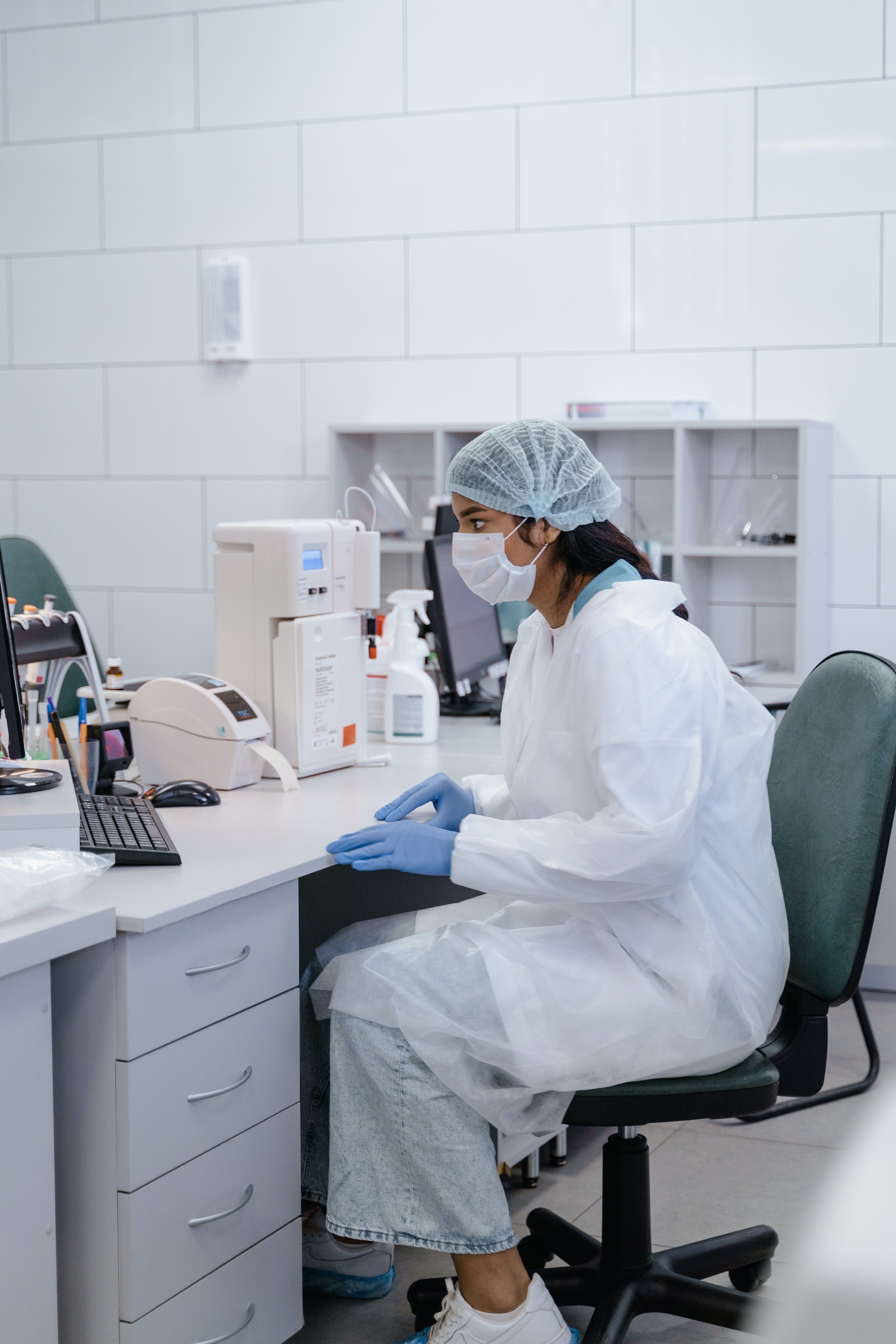
Understanding the Vital Role of Medical Assistants in Healthcare
When you visit a doctor, much of your experience is shaped by dedicated healthcare professionals working behind the scenes. Medical assistants are essential in clinics, hospitals, and physicians' offices. They support doctors, nurses, and patients alike and keep healthcare running smoothly.
Medical assistants handle both administrative and clinical tasks. They ensure patient records are accurate, help manage appointment schedules, check vital signs, and even assist with basic medical procedures. Their unique blend of skills makes them the backbone of a busy medical office or clinic.
What Does a Medical Assistant Do?
Medical assisting is a versatile career that covers broad job duties. You may be surprised at the range of responsibilities a medical assistant performs each day.
- Greeting and preparing patients for exams
- Updating and maintaining electronic health records (EHRs)
- Taking vital signs like blood pressure and temperature
- Drawing blood and preparing laboratory specimens
- Assisting physicians during exams and procedures
- Scheduling appointments and handling billing paperwork
- Answering patient questions and offering instructions for medications or follow-ups
Some medical assistants focus more on administrative tasks, while others train in clinical skills. You may find both specializations in busy practices. Medical assistants act as a valuable bridge between patients and healthcare providers every step of the way.
Why Medical Assisting Is Important in Healthcare
Medical assistants play a key role in improving patient care and healthcare efficiency. They help lower the burden for doctors and nurses, allowing everyone to focus on their strengths. This improves workflow, safety, and patient satisfaction.
Here’s why the role matters:
- Patient Comfort: Medical assistants create a welcoming atmosphere and explain procedures clearly.
- Accuracy: By updating medical records and preparing equipment, medical assistants reduce costly errors.
- Efficiency: Medical assistants manage daily activities, so providers have more time for complex cases.
- Access to Care: With medical assistants on the team, clinics can serve more patients each day.
You often see these benefits on the front lines of care. Medical assistants improve communication between patients and healthcare staff, supporting both technical and emotional needs.
How to Become a Medical Assistant
The path to becoming a medical assistant is straightforward and accessible. Most employers require a high school diploma or GED. Many choose to complete a medical assistant training program, which usually takes about one year to complete.
Certification is not always mandatory but can increase your job prospects and earning potential. Popular certifications include:
- Certified Medical Assistant (CMA)
- Registered Medical Assistant (RMA)
- National Certified Medical Assistant (NCMA)
Some states and employers may require certification or additional training. Completing an accredited program and passing an exam will help you qualify for more roles and higher pay.
Career Outlook and Salary Expectations
Medical assisting offers strong job security and competitive wages. According to the U.S. Bureau of Labor Statistics, employment for medical assistants is expected to grow much faster than the average for all jobs through 2032.
Median pay for medical assistants in the United States is around $38,000 per year as of 2023. Actual salaries can vary based on location, experience, training, and workplace setting.
Most medical assistants work in:
- Physicians' offices
- Hospitals
- Outpatient clinics
- Specialty practices, such as pediatrics or cardiology
This career offers growth opportunities and options to advance, making medical assisting attractive to many entering healthcare.
Essential Skills for Success in Medical Assisting
Medical assisting requires a mix of technical, administrative, and personal skills. Being successful means you’re organized, caring, and adaptable.
- Attention to detail
- Excellent communication
- Empathy and patience
- Time management
- Basic medical knowledge
- Teamwork
- Computer proficiency (especially with electronic health records)
Strong soft skills help you interact with patients, handle stress, and juggle multiple responsibilities in a busy healthcare setting.
Frequently Asked Questions
What is a medical assistant?
A medical assistant is a healthcare professional who performs both administrative and clinical tasks in settings like clinics, hospitals, and doctors’ offices.
What are the main duties of a medical assistant?
Main duties include taking vital signs, updating medical records, assisting with exams, drawing blood, scheduling appointments, and supporting patient care.
Is certification required for medical assistants?
Certification is not always required but is recommended. Many employers prefer or require certification from organizations like the AAMA or AMT.
How much do medical assistants make?
Medical assistants earn a median annual salary of around $38,000 in the United States, according to recent data from the U.S. Bureau of Labor Statistics.
Where do medical assistants usually work?
Most medical assistants work in doctors’ offices, hospitals, outpatient clinics, and specialty medical practices.




.svg)


