


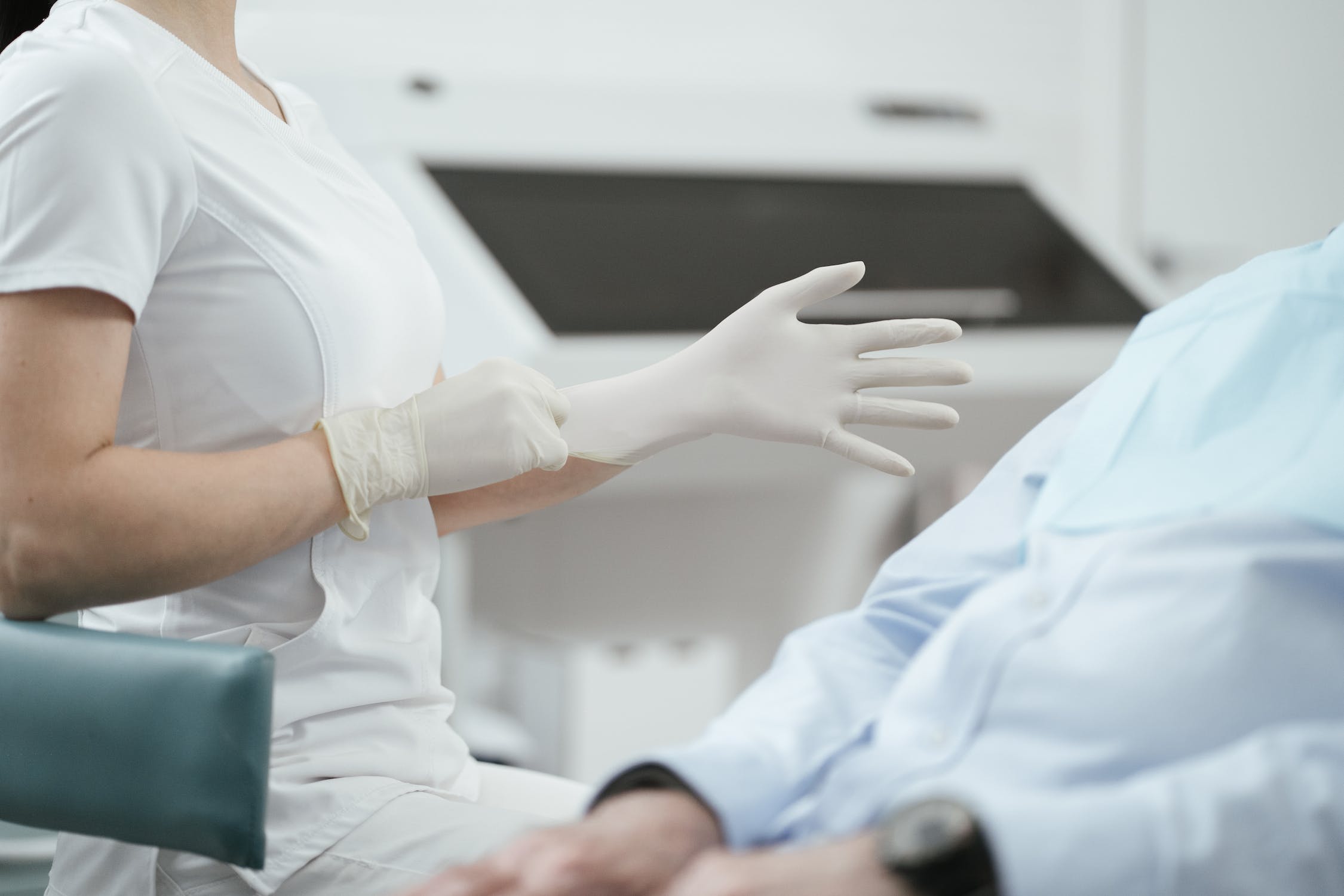
The Essential Role of Nurses in Modern Healthcare
Nursing is more than a profession—it's a calling that shapes the quality of health care. When you step into a hospital or clinic, nurses are the first to greet you, assess your needs, and provide critical support. The world of nursing is vast, impactful, and ever-evolving. From patient care to emotional support, nurses are at the heart of healing and recovery.
Nurses play a vital role in supporting doctors, educating patients, and advocating for better health outcomes. With their healing hands, nurses touch lives every day. In this guide, you’ll discover the real-life impact of nursing, the essential skills and responsibilities, and the ways nurses influence healthcare teams and patient results.
Key Responsibilities and Daily Tasks of Nurses
As a nurse, you take on many crucial tasks that drive patient care. Your role requires quick thinking, compassion, and technical skill. Nurses bridge the gap between physicians and patients, often acting as a comfort for families and loved ones.
- Taking vital signs and monitoring patient health
- Administering medications and treatments
- Supporting doctors with exams and procedures
- Documenting health records and updating charts
- Educating patients and families about conditions or treatments
- Responding quickly in emergencies
- Advocating for patient needs and rights
Types of Nursing Specialties
Nursing is a diverse field with many specialties tailored to different patient needs and healthcare environments. Each nursing specialty offers unique rewards and challenges. Here are some of the most common types:
- Registered Nurse (RN): Provides direct patient care, educates families, and supports physicians.
- Licensed Practical Nurse (LPN) / Licensed Vocational Nurse (LVN): Focuses on routine care and assists RNs and doctors.
- Nurse Practitioner (NP): Delivers advanced care, diagnoses conditions, and can prescribe medications.
- Pediatric Nurse: Cares for infants, children, and adolescents.
- Geriatric Nurse: Supports older adults and manages chronic aging-related conditions.
- Critical Care Nurse: Works in intensive care units to handle life-threatening conditions.
- Travel Nurse: Takes on short-term assignments in different locations facing nursing shortages.
- Home Health Nurse: Provides care to patients in their homes for recovery or chronic illness management.
Core Skills Every Nurse Needs
Thriving as a nurse requires a unique blend of technical expertise and human understanding. You must adapt, communicate, and think critically every day. These core skills set exceptional nurses apart:
- Empathy and emotional intelligence
- Strong communication skills
- Attention to detail
- Teamwork and collaboration
- Adaptability in fast-paced settings
- Problem-solving and quick decision-making
- Cultural competence and respect for diversity
The Impact of Nurses on Patient Outcomes
Nurses drive many of the positive results seen in hospitals and clinics. Your presence at the bedside means more than just care—nurses play a direct role in recovery, satisfaction, and safety. Studies show that higher nurse staffing levels and nurse education lead to better patient outcomes, fewer complications, and lower mortality rates.
When you provide clear information, comfort, and proactive care, patients are more likely to feel empowered and engaged. Effective nursing cuts down on errors and readmissions. By advocating for patients, you can close the gaps in care and ensure every voice is heard.
Mental and Emotional Demands in Nursing
You may often handle high-pressure situations. Nursing can be physically and emotionally taxing, with long hours standing and supporting patients in distress. Emotional resilience is a key part of the job. You must balance compassion with self-care to prevent burnout and compassion fatigue.
Healthy coping mechanisms, access to mental health resources, and a supportive work environment help nurses stay strong for themselves and their patients.
Nursing Education and Career Advancement
Becoming a nurse requires formal education, hands-on training, and state licensure. Entry-level roles such as LPN or RN are the first step for many. Advanced opportunities include becoming a Nurse Practitioner, Clinical Nurse Specialist, or Nurse Educator.
- Associate Degree in Nursing (ADN)
- Bachelor of Science in Nursing (BSN)
- Master of Science in Nursing (MSN)
- Nursing certifications for specialties
- Continuing education and training
The path you choose depends on your interests and goals. Nurses can also pursue leadership or teaching roles, shaping the next generation of healthcare professionals.
Nurses as Patient Advocates and Educators
Beyond clinical care, nurses play a critical role in patient advocacy. You ensure patients know their rights and understand their treatment options. Clear, honest communication builds trust and encourages patient involvement.
Education is central to modern nursing. By teaching patients about medications, self-care, or lifestyle changes, you help them manage their health long after they leave the hospital or clinic.
The Future of Nursing: Trends and Innovations
The nursing profession is constantly evolving. Advances in telehealth, digital records, and patient monitoring tools are transforming how nurses work. Nurses are adapting to changing patient demographics, new technology, and an expanded role in public health and disease prevention.
You have more opportunities than ever to specialize, lead, and innovate in healthcare.
Frequently Asked Questions
What is the main responsibility of a nurse?
A nurse’s main responsibility is to provide patient care, monitor patient health, and support doctors to promote recovery and well-being.
What qualifications do you need to become a nurse?
You need to complete an accredited nursing program and pass a state licensure exam, such as the NCLEX-RN for registered nurses.
How do nurses impact patient outcomes?
Nurses improve patient outcomes by providing direct care, preventing errors, educating patients, and advocating for the best treatments.
What are the different types of nurses?
Common types include registered nurses, licensed practical nurses, nurse practitioners, pediatric nurses, and critical care nurses.
Is nursing a stressful career?
Nursing can be stressful due to emotional and physical demands, long shifts, and the need to respond quickly in emergencies.







.svg)


