


Understanding the Vital Role of Nurses in Healthcare
Nurses are the backbone of healthcare. When you walk into a hospital, clinic, or doctor's office, your first and last contact is often a nurse. Nurses are there to assess, care, comfort, and educate patients. They help save lives and improve patient experiences every day. With over three million registered nurses in the U.S., nursing is the nation’s largest health care profession.
Nursing goes beyond giving medication or checking vital signs. It means advocating for patients, collaborating with doctors, and supporting families through difficult times. Nurses play a key role in preventing disease and promoting health in communities. You see their impact in every corner of the health system.
What Does a Nurse Do?
The duties of a nurse vary based on training, specialty, and workplace. No two days look the same. Still, most nurses share a core set of responsibilities focused on patient care and safety.
- Monitor patients’ health and vital signs
- Administer medications and treatments
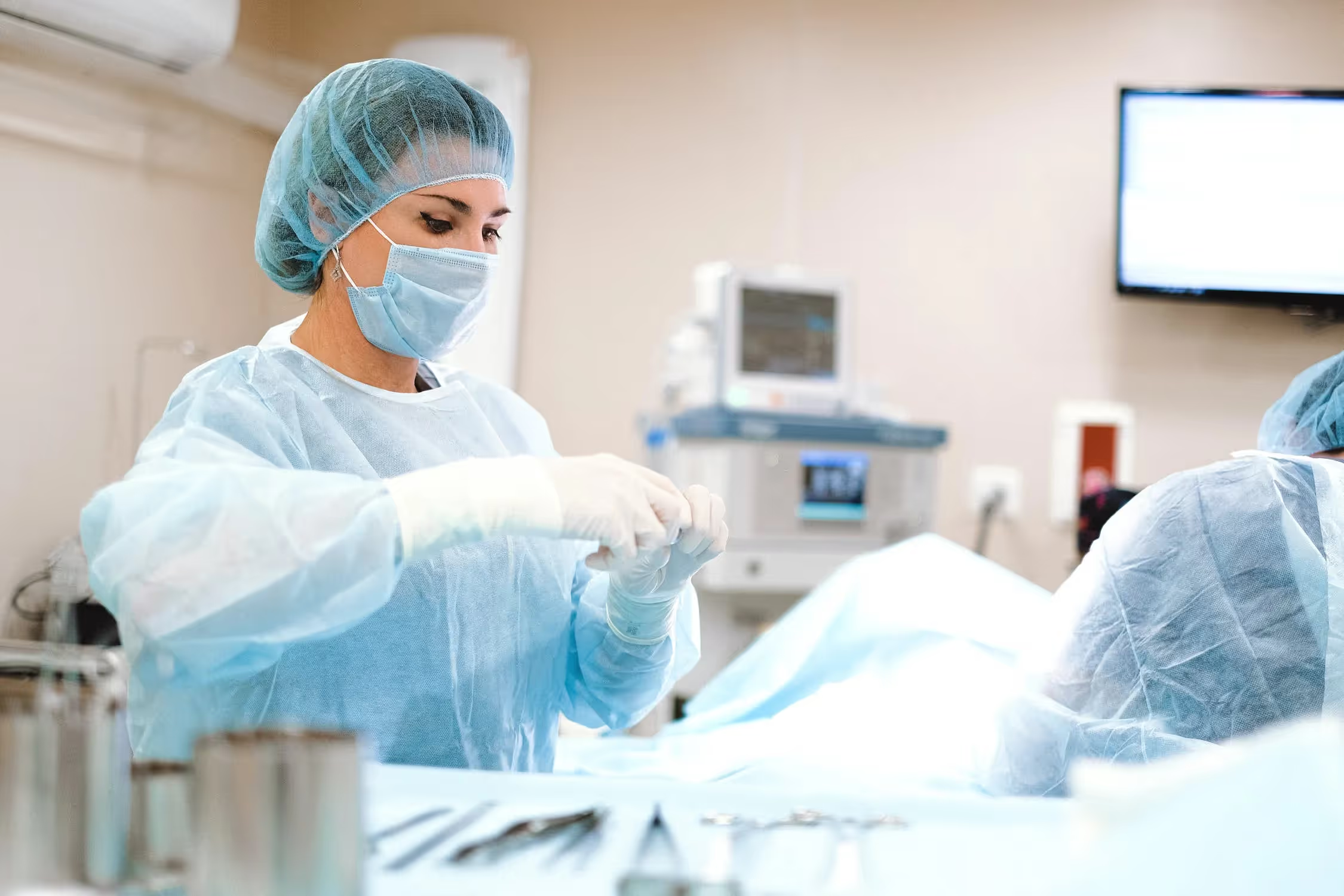
- Assist in procedures and surgeries
- Document patient information and progress
- Educate patients and families about illness and recovery
- Support doctors and other healthcare professionals
- Coordinate patient care across teams
Nurses often notice subtle changes in patients before anyone else. Their attention to detail can be life-saving. They listen to patient concerns and ensure care is personalized and compassionate.
Pathways and Specialties in Nursing Careers
Nursing offers diverse career paths with opportunities to specialize and advance. You can start as a licensed practical nurse (LPN), registered nurse (RN), or nurse practitioner (NP), depending on your education and goals.
Common Types of Nurses
- Registered Nurse (RN): The most versatile and in-demand role. RNs hold an associate or bachelor’s degree and pass a national licensing exam.
- Licensed Practical Nurse (LPN): Support RNs and doctors, provide basic care, and usually complete a one-year diploma program.
- Nurse Practitioner (NP): Advanced practice nurses with a master’s or doctorate degree. NPs diagnose, treat, and prescribe medication.
- Certified Nursing Assistant (CNA): Offer essential daily care, such as bathing and feeding patients, after short training programs.
Areas of Specialty
- Pediatrics (children)
- Emergency nursing
- Oncology (cancer care)
- Critical care (ICU)
- Surgical nursing
- Geriatrics (elderly care)
- Psychiatric nursing
Nurses can become managers, educators, or researchers. The field is always evolving, giving you room to grow and find your niche.
Key Skills Every Nurse Needs
Success in nursing depends on more than medical knowledge. Soft skills are just as important as technical training. Here’s what helps you thrive:
- Communication: You must speak clearly with patients and coworkers.
- Empathy: Comfort, support, and kindness matter in patient care.
- Critical thinking: Quick decisions can save lives.
- Attention to detail: Tiny changes can mean everything in health monitoring.
- Time management: You balance many tasks during a shift.
- Teamwork: Nurses rarely work alone.
Learning never stops in nursing. Continuing education and certifications help you stay updated in a fast-changing field.
Challenges and Rewards of Nursing
Nursing can be demanding, both physically and emotionally. Long shifts, heavy workloads, and high-stress environments are common. You may face moral and ethical dilemmas. Burnout is a real risk.
Still, nursing remains one of the most trusted and rewarding jobs. You touch lives, make a difference, and often see the direct results of your care. Nurses also enjoy strong job security, flexibility, and options for advancement.
The Bureau of Labor Statistics projects strong demand for nurses through 2032, with a faster-than-average job growth rate. You can check salary data and trends from official BLS sources: BLS Registered Nurses Data.
The Future Outlook for Nurses
Healthcare is changing. More care is shifting to outpatient and community settings. Technology, such as electronic health records and telehealth, is altering how nurses work. These changes create new nursing roles and specialties, giving you more opportunities to shape your own career.
The COVID-19 pandemic highlighted the critical role of nurses in caring for patients during a global health crisis. It also sparked renewed respect for the skill, strength, and heart nurses bring to every shift.
Frequently Asked Questions
What are the main responsibilities of a nurse?
A nurse monitors patient health, gives medications, manages daily care, documents conditions, and educates patients and families.
What education do you need to become a registered nurse?
You need an associate or bachelor's degree in nursing and must pass the NCLEX-RN licensing exam.
What is the job outlook for nurses?
The job outlook for nurses is strong, with steady growth expected and demand especially high for RNs and NPs through 2032.
What are the most important skills for a nurse to have?
Key skills include communication, empathy, attention to detail, critical thinking, time management, and teamwork.
Can nurses specialize in certain areas of healthcare?
Yes, nurses can specialize in fields like pediatrics, emergency, oncology, critical care, geriatrics, and psychiatric nursing.




.svg)


