


Emerging Trends in Innovative Education
Education is changing rapidly. New technologies and teaching strategies are transforming the way you learn and teach. The shift to digital tools, online classrooms, and personalized learning means you have more choices than ever. These innovations in education help you access content that fits your learning style, pace, and interests.
In the last decade, education technology (edtech) has exploded. You now find adaptive learning software, virtual classrooms, and collaboration platforms in schools and workplaces. Teachers and students use artificial intelligence (AI), virtual reality (VR), augmented reality (AR), and data analytics. These tools make learning more engaging, accessible, and effective.
Key Technologies Shaping the Future of Learning
Several cutting-edge technologies are revolutionizing modern education. Each offers unique benefits for different learning needs and environments.
- Artificial Intelligence (AI): Adaptive platforms use AI to personalize lessons, automate grading, and give instant feedback.
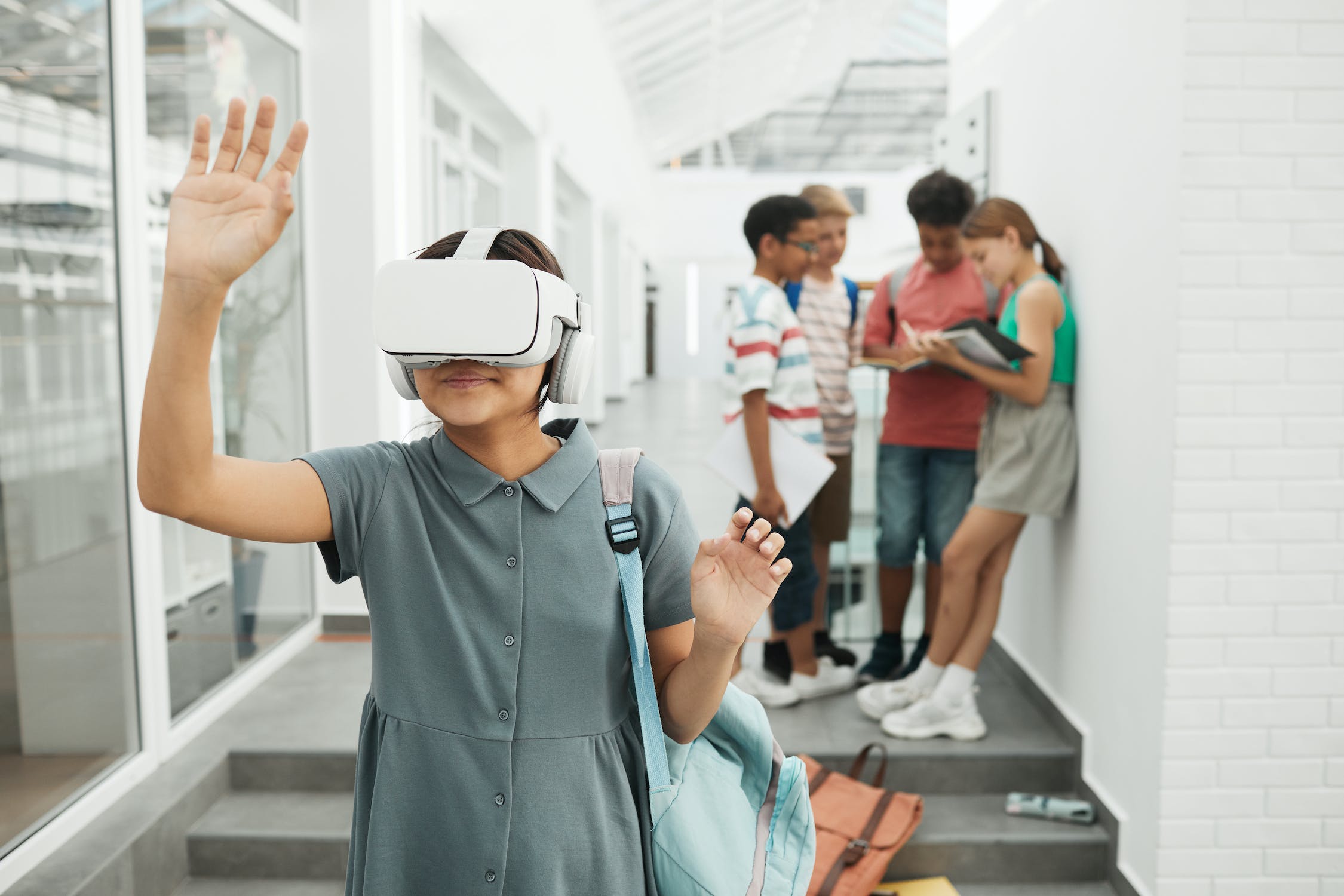
- Virtual Reality (VR) & Augmented Reality (AR): Immersive simulations help you understand complex topics — from science labs to history walks.
- Learning Management Systems (LMS): Centralized hubs organize courses, track progress, and connect with teachers or peers.
- Gamification: Game-based elements like badges, leaderboards, and challenges boost engagement and motivation.
- Big Data & Learning Analytics: Data-driven insights support personalized support and early intervention.
If you’re a student, you gain flexible learning experiences. If you’re an educator, you save time on admin tasks and target students’ unique needs. For parents, these trends mean more tools to track and support your child’s progress.
Personalized Learning and Adaptive Education
Personalized learning is one of the most important education innovations today. You no longer need to fit a one-size-fits-all curriculum. Adaptive learning systems analyze your responses and tailor lessons in real time. This helps you build confidence, master skills faster, and close gaps seamlessly.
AI-powered tutoring platforms can:
- Assess your strengths and weaknesses
- Recommend targeted resources
- Provide on-demand feedback
- Adjust in difficulty based on your progress
Personalized education supports all learners. Whether you’re a fast learner or need more time on a topic, you get the support you need without stigma or delay.
Online Learning and Remote Education
Remote education broke barriers during the COVID-19 pandemic. Now, hybrid and online learning models are here to stay. You can access quality courses, certificates, and degrees from anywhere in the world. This democratizes education and increases flexibility for all ages.
Key benefits of online learning include:
- Learning at your own pace and on your schedule
- Access to global experts and diverse perspectives
- Integration of multimedia, interactive quizzes, and collaboration tools
- Reduced costs and commuting time
You can track your progress online, revisit recorded lessons, and connect with peers across continents. For working adults and lifelong learners, remote education supports upskilling and career advancement.
Project-Based and Experiential Learning
Innovative learning goes beyond textbooks and lectures. Project-based learning (PBL) lets you work on real-world problems. You learn by doing, collaborating, and exploring solutions. This approach builds critical thinking, creativity, and teamwork skills.
Examples of experiential learning methods:
- STEM challenges and robotics competitions
- Community service projects
- Entrepreneurship simulations
- Fieldwork and lab experiments
Hands-on experiences help you retain knowledge longer and apply what you learn in daily life. Employers also value these practical skills in today’s workforce.
Equity, Access, and the Digital Divide
While technology creates new possibilities, it also brings new challenges. Many students still lack internet access, devices, or a quiet space to study. As schools digitalize, closing the digital divide is a top priority for governments, schools, and communities.
Education initiatives now focus on:
- Providing low-cost devices and high-speed internet
- Building accessible platforms for all learners, including those with disabilities
- Offering teacher training for effective tech use
- Developing culturally relevant and inclusive content
Alignment with equity and inclusion ensures that every learner benefits from the future of education, not just a select few.
Preparing for Future Skills and Careers
Rapid changes in the job market demand new skills. The future workforce needs adaptability, tech literacy, communication, and problem-solving abilities. Schools now blend traditional subjects with digital and soft skills training.
You can expect to see:
- Courses in coding, AI, and data science
- Focus on digital citizenship and online safety
- Critical thinking and media literacy modules
- Career guidance and mentorship programs
Staying ahead with these innovations prepares you for jobs that do not yet exist and helps adapt to a rapidly shifting economy.
Frequently Asked Questions
What are the most important innovations in education?
The most important innovations include AI-powered personalized learning, virtual and augmented reality, online classrooms, gamification, and learning analytics.
How does artificial intelligence impact education?
Artificial intelligence personalizes lessons, automates grading, gives instant feedback, and helps teachers identify student needs faster.
What is personalized learning in schools?
Personalized learning is an approach where lessons and resources adapt to each student’s skills, pace, and interests using technology and data analytics.
Why is closing the digital divide important for education?
Closing the digital divide ensures all students have equal access to technology, internet, and learning opportunities, regardless of their background.
What skills are needed for the future workforce?
The future workforce needs digital literacy, adaptability, critical thinking, problem-solving, communication, and collaboration skills.




.svg)


