


Understanding Population Trends in Wyoming
When you look at the list of U.S. states by population, Wyoming stands out as the least populated state. This fact surprises many people, especially when they see Wyoming's vast, open landscapes. Let's explore what makes Wyoming so sparsely populated and why its numbers have stayed low compared to other states.
Wyoming's Geography and Climate: A Major Influence
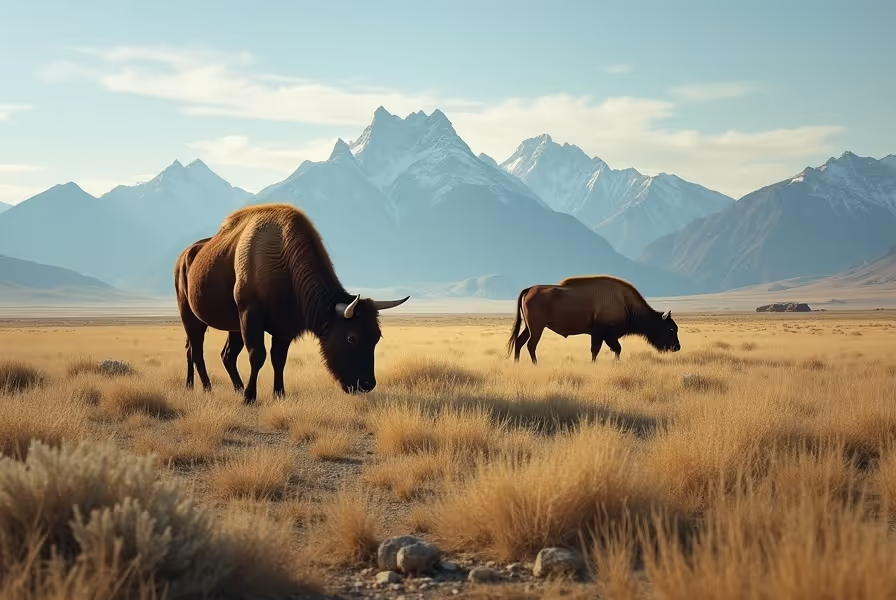
Wyoming's physical landscape is both its charm and its challenge. The state showcases sweeping plains, rugged mountains, and expansive high-altitude basins. These features draw adventurers and nature lovers, but they also present obstacles for large-scale settlement.
- Extreme Weather: Wyoming is known for its cold winters and dramatic temperature swings. Many areas experience heavy snow, strong winds, and sudden storms. These harsh conditions can make daily life more demanding than in milder regions.
- Arid Conditions: Most of Wyoming receives little yearly rainfall. Water scarcity limits farming and ranching options and makes development harder, especially in the wide-open plains.
- Remote Terrain: With so many mountains and open spaces, some locations are distant from big cities and major highways. This remoteness can deter people who want access to more urban conveniences or larger communities.
Economic Factors Impacting Population Growth
Wyoming's economy shapes its population size. While the state has abundant natural resources and stunning scenery, its industries are more specialized than diversified.
- Resource-Driven Economy: Wyoming relies heavily on mining, energy production, and agriculture. These industries often require fewer workers compared to manufacturing or technology sectors.
- Limited Job Markets: If you are looking for roles in tech, healthcare, or creative fields, opportunities may be fewer compared to more urban states. Many young professionals seek work elsewhere after completing their education.
- Tourism: National parks like Yellowstone and Grand Teton attract millions of visitors, but tourism jobs are often seasonal and do not always lead to permanent settlement.
Population Density Compared to Other States
Population density is an essential factor. Wyoming covers over 97,000 square miles, making it the 10th largest state by area. Yet, its estimated population is under 600,000—roughly the size of a mid-sized U.S. city. This results in a population density of about six people per square mile, the lowest among all U.S. states.
- Few Large Cities: Cheyenne, the state capital and largest city, has a population of about 65,000. Most other towns and cities have fewer than 20,000 residents.
- Rural Way of Life: For many Wyomingites, open spaces are valued. Some prefer the peace and privacy that rural living brings, but others find it isolating.
Historical Population Patterns in Wyoming
Wyoming’s population trends are shaped by hundreds of years of history. Native American tribes, including the Arapaho and Shoshone, have long called the region home. The area saw population spikes during historic events, but growth has always been lower than in other states.
- Gold Rush and Railroads: The late 1800s brought both sudden booms and quick declines. Many towns appeared and disappeared as resources were discovered and depleted.
- Settlement Patterns: Homesteaders and ranchers settled where land and water were available but could not match the waves of new residents found in the Midwest or California.
Infrastructure and Accessibility in Wyoming
Wyoming’s infrastructure reflects its small population spread over a large area. The network of roads, schools, hospitals, and services is built for modest numbers.
- Transportation: Distances between towns and cities can be great. This can make travel and relocation less appealing.
- Health Care and Education: Smaller populations mean fewer hospitals and colleges. Some residents travel hundreds of miles for specialized care or higher education.
Quality of Life and Population Decisions
People often choose where to live based on quality of life. Wyoming offers tranquility, natural beauty, and a sense of community. However, it may not suit everyone’s needs.
- Outdoor Recreation: Hiking, fishing, skiing, and wildlife watching are popular activities.
- Community Size: Small towns foster tight-knit communities, but newcomers may find adjusting to the slower pace or fewer amenities challenging.
- Cost of Living: Housing costs can be lower, but other items—groceries, utilities, travel—may cost more due to shipping distances and limited local markets.
Related Questions About Wyoming's Low Population
Why is Wyoming growing slowly compared to other U.S. states?
Wyoming grows slowly because of its limited job opportunities outside extractive industries, challenging climate, and remote location. Many young adults leave after finishing school, seeking jobs and amenities found in more urbanized states.
Is there a shortage of housing in Wyoming?
While housing is less expensive in many parts of Wyoming, certain areas near popular national parks or oil fields sometimes experience housing shortages, especially during economic booms.
What are the biggest towns and cities in Wyoming?
The largest city is Cheyenne, followed by Casper, Laramie, and Gillette. Each offers unique opportunities and lifestyles but remains small compared to cities in larger states.
Do people move to Wyoming for retirement?
Some retirees move to Wyoming for its peace, lack of state income tax, and outdoor recreation. However, rural isolation and limited health care can be concerns for seniors.
How does Wyoming's population compare to Alaska or Vermont?
Both Alaska and Vermont have small populations, but Wyoming consistently has fewer residents than either, making it the least populated state according to recent U.S. Census Bureau data.
Key Takeaways for Understanding Wyoming’s Population Size
Wyoming’s status as the least populated U.S. state reflects a mix of natural, economic, and cultural factors. Its rugged landscape, specialized industries, and rural lifestyle all play important roles. If you value open space, a tight-knit community, and access to some of America’s best wilderness, Wyoming might be just right for you. For those who prefer urban amenities and larger networks, the state’s slower pace and spread-out towns may be more challenging. Whatever your interests, understanding the unique environment of Wyoming will help you appreciate why its population has remained small and steady throughout history.




.svg)


