


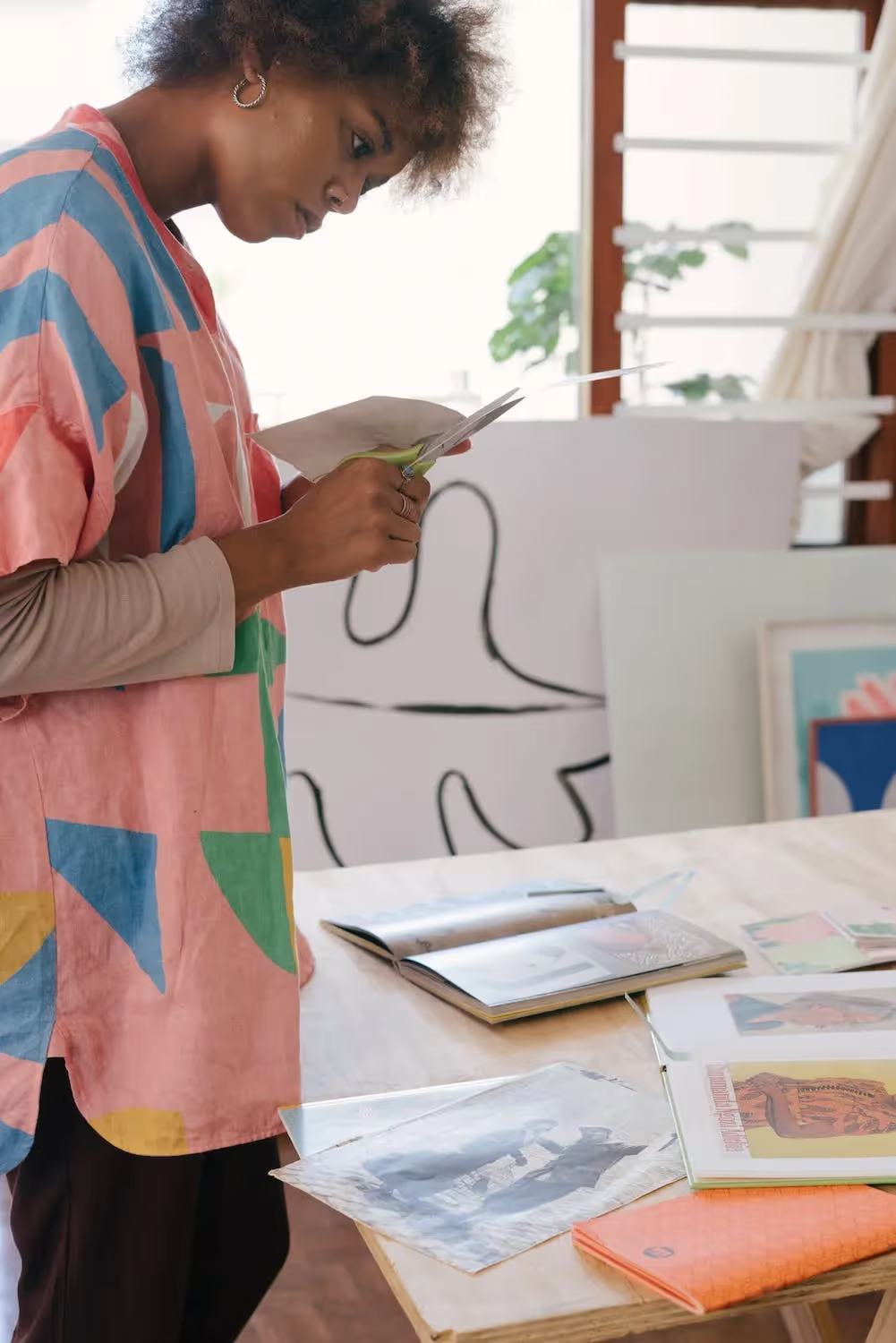
The Role of Interior Design in Daily Life
Interior design shapes your everyday experience. It goes beyond looks. The way a room is arranged, colored, and lit can affect your mood, focus, and comfort. Good design helps you feel energized, relaxed, or secure. Poor design can make daily routines harder than they need to be.
From the moment you wake up, your home’s layout influences how you move and feel. Lighting, colors, and furniture choices all play a role. These choices impact your well-being, work productivity, and even your relationships.
How Interior Design Impacts Mood and Mental Health
Spaces are more than walls and floors. Color schemes, natural light, and textures shape your mind. Studies show that warm colors can boost positivity, while cool colors often calm anxiety.
Lack of natural light may increase stress or fatigue. Thoughtful lighting plans include both sunlight and smart fixtures to boost alertness during the day and signal relaxation at night. Comfortable seating and clutter-free pathways help you unwind, reducing daily stress.
- Natural light supports healthy sleep cycles
- Soft textures promote calmness and safety
- Organized spaces reduce anxiety and increase focus
Boosting Productivity with Functional Design
Interior design affects how you work and learn at home. A well-designed home office or study nook keeps you organized. Proper desk height, adjustable chairs, and noise-reducing decor support long periods of deep focus.
Dedicated zones for specific tasks help your brain separate work from relaxation. This separation is key for remote workers and students. Ergonomic furniture and controlled lighting prevent fatigue and eye strain.
- Defined workspaces increase productivity
- Neutral colors may help reduce distractions
- Task lighting makes reading and typing easier
Physical Health and Safety in Interior Spaces
Design decisions can influence your body’s well-being. Thoughtful layouts allow for easy movement, preventing trips and falls. Supporting your posture with the right furniture cuts the risk of back and neck pain. Accessible storage encourages you to keep things tidy, reducing hazards.
Clean air is essential. Well-chosen indoor plants, non-toxic paint, and proper ventilation help reduce indoor pollution. Anti-slip flooring in bathrooms and kitchens lowers accident risks. Safe, well-lit pathways offer security, especially for children and older adults.
Supporting Healthy Habits at Home
Design makes healthier choices easier. A visible fruit bowl in the kitchen encourages better snacking. Fitness equipment in a dedicated corner keeps exercise in mind. Shoe racks near entryways help keep dirt and allergens outside. Accessibility of daily essentials shapes your habits every day.
Interior Design and Personal Identity
Your living space reflects who you are. Interior design lets you express personality, values, and culture. Artwork, family photos, and favorite colors tell your story. This personal touch builds a sense of belonging and pride. When spaces line up with your interests, you feel more at home.
Creating Connection Through Design
Open layouts encourage conversation. Cozy corners invite family and friends to gather. Design that matches your lifestyle supports better relationships. Play areas for children, pet-friendly features, or reading nooks for hobbies foster happy memories and deeper bonds.
Sustainability and Wellness in Interior Design
Green design is a growing trend. Energy-efficient lighting, sustainable materials, and smart home controls can lower utility bills and boost comfort. Choosing eco-friendly decor supports long-term well-being and reduces your ecological footprint. High-performance air filters and non-toxic paints improve indoor air quality for all ages.
- Sustainable furniture reduces waste
- LED lighting saves energy and money
- Natural materials like wood and cotton feel better and are safer
Frequently Asked Questions
How does interior design affect daily mood?
Interior design impacts daily mood by using colors, lighting, and materials that can trigger emotions like calmness, energy, or stress. For example, natural light and soft colors promote relaxation, while clutter and harsh lighting may cause anxiety.
Can a well-designed space improve productivity at home?
Yes. A well-designed space with ergonomic furniture, clear zones, and good lighting helps reduce distractions and physical discomfort, making it easier to focus and be productive at home.
What are the health benefits of interior design?
Interior design supports health by improving air quality, enabling easy movement, reducing safety risks, and using layouts and decor that promote relaxation and stress relief.
How can sustainable interior design improve daily life?
Sustainable interior design uses eco-friendly materials, energy-efficient lighting, and non-toxic finishes, which can improve indoor air quality, save money, and create a healthier living environment.
Does interior design have an impact on personal identity?
Yes. Interior design allows you to express your personality, values, and culture through colors, decor, and arrangement, helping you feel more comfortable and connected to your home.






.svg)


