


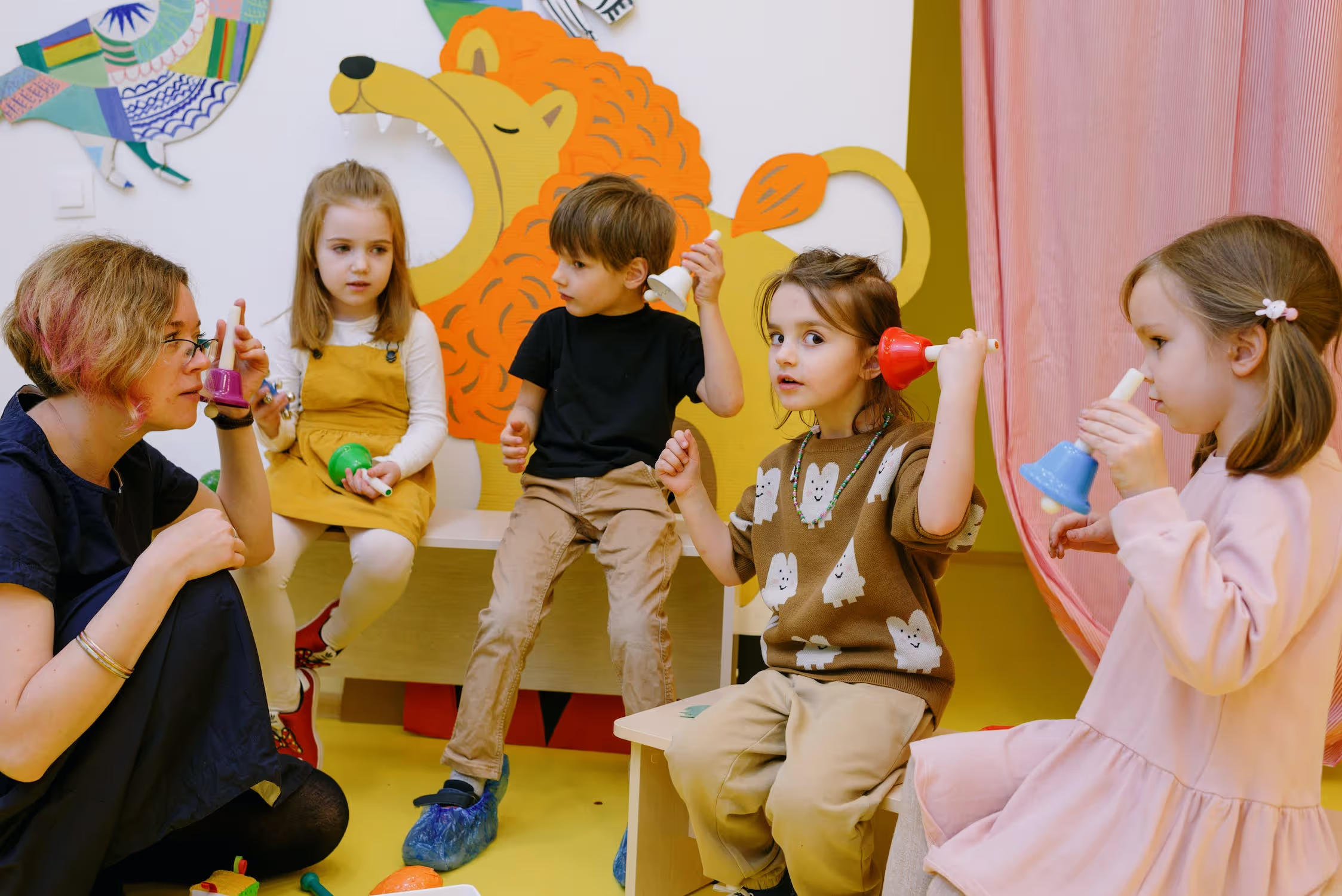
The Power of Early Childhood Education
Early childhood education shapes how children think, learn, and interact with the world. In the first five years, your child’s brain develops faster than at any other time. High-quality early learning builds a strong foundation for future success in school and life. Early childhood education impacts social skills, emotional well-being, and later achievement.
Experts and research agree: brain development, school readiness, and lifelong social skills all benefit from purposeful early education. When you support a child’s early learning, you encourage creativity, curiosity, and self-confidence. These benefits follow children as they grow.
How Early Childhood Education Builds a Strong Foundation
Why is early childhood education important? Reality shows children learn by exploring and engaging with their surroundings. High-quality preschool and pre-K programs help your child develop:
- Language and vocabulary skills critical for reading
- Social skills, like cooperation and sharing
- Problem-solving and creative thinking abilities
- Emotional awareness and self-regulation
These skills prepare your child to succeed in school and beyond. Studies show children who attend quality early learning programs are more likely to read at grade level, graduate from high school, and reach their goals.
The Role of Play-Based Learning in Early Childhood
Play is essential in early childhood education. Play-based learning lets children discover, experiment, and build relationships. Hands-on activities help your child learn math, science, and literacy concepts in a natural way.
- Pretend play builds communication and empathy
- Block building develops problem-solving skills
- Art and music inspire creativity and emotional expression
By making learning fun, play-based methods keep children curious and engaged.
Benefits of Early Learning for Social and Emotional Growth
Early childhood programs help your child understand and manage feelings. Through group activities and guided play, children practice sharing, taking turns, and resolving conflicts. These experiences foster resilience and positive self-esteem.
Teachers use routines and gentle guidance to build trust and security. As a parent or caregiver, you help reinforce these important social skills at home by modeling empathy and communication.
Cognitive and Academic Advantages of a Head Start
Quality early learning can narrow achievement gaps. Children who start school ready to learn are more likely to enjoy reading, math, and science later on. Exposure to letters, numbers, colors, and shapes in early education settings sparks curiosity and a love of learning.
- Improved early literacy and language development
- Stronger early math skills
- Better attention spans and problem-solving skills
- Higher scores on kindergarten readiness tests
These advantages are linked to higher graduation rates and future job stability.
How to Choose a High-Quality Early Childhood Program
Choosing the right early learning environment matters. Look for early childhood education programs that put your child first, support growth, and encourage family involvement. Signs of a high-quality program include:
- Qualified, caring teachers with experience in early childhood education
- Safe, clean, and welcoming classrooms
- Small class sizes and low teacher-to-child ratios
- Play-based curriculum with structured routines
- Active parent communication and involvement
Spend time observing classrooms, talking with teachers, and reviewing program philosophies. Your involvement is key to helping your child thrive.
Supporting Early Learning at Home
Family support makes a big difference in early childhood education. You can help your child build confidence, language, and critical thinking by:
- Reading together every day
- Asking open-ended questions about their world
- Encouraging safe exploration and creativity
- Using positive language and celebrating small wins
Simple daily activities help reinforce what your child learns in preschool or pre-K.
The Long-Term Impact of Early Education on Lifelong Success
Early childhood education is more than preparation for kindergarten. The benefits last into adulthood. Research shows children who attend high-quality early education programs are more likely to:
- Have higher educational attainment
- Earn higher incomes
- Experience stable employment
- Develop strong relationships and social skills
Investing in early learning is one of the best ways to support children's long-term health, happiness, and growth.
Frequently Asked Questions
What is early childhood education?
Early childhood education covers structured learning for children from birth to age 8, including preschool and kindergarten programs.
Why is early childhood education important?
Early childhood education helps children build critical thinking, social, and academic skills that set the foundation for lifelong success.
How does early learning impact brain development?
High-quality early learning stimulates brain growth and strengthens connections needed for language, memory, and social skills.
What should you look for in a high-quality preschool?
Look for qualified teachers, safe classrooms, small class sizes, a play-based curriculum, and strong family involvement.
Can parents support early childhood education at home?
Yes. Parents can read daily, encourage play, ask questions, and create a supportive and loving learning environment.




.svg)


