


Understanding the Core Elements of Interior Design
If you want a beautiful home, knowing the basics matters. Interior design relies on core elements: color, texture, and form. These key principles help you shape functional and inviting spaces. Whether you’re styling a cozy apartment or a large home, mastering these elements will help set the right mood and look.
When you work with color, texture, and form, you gain control over how any room feels. These elements play a big role in setting atmosphere, establishing flow, and even affecting your mood.
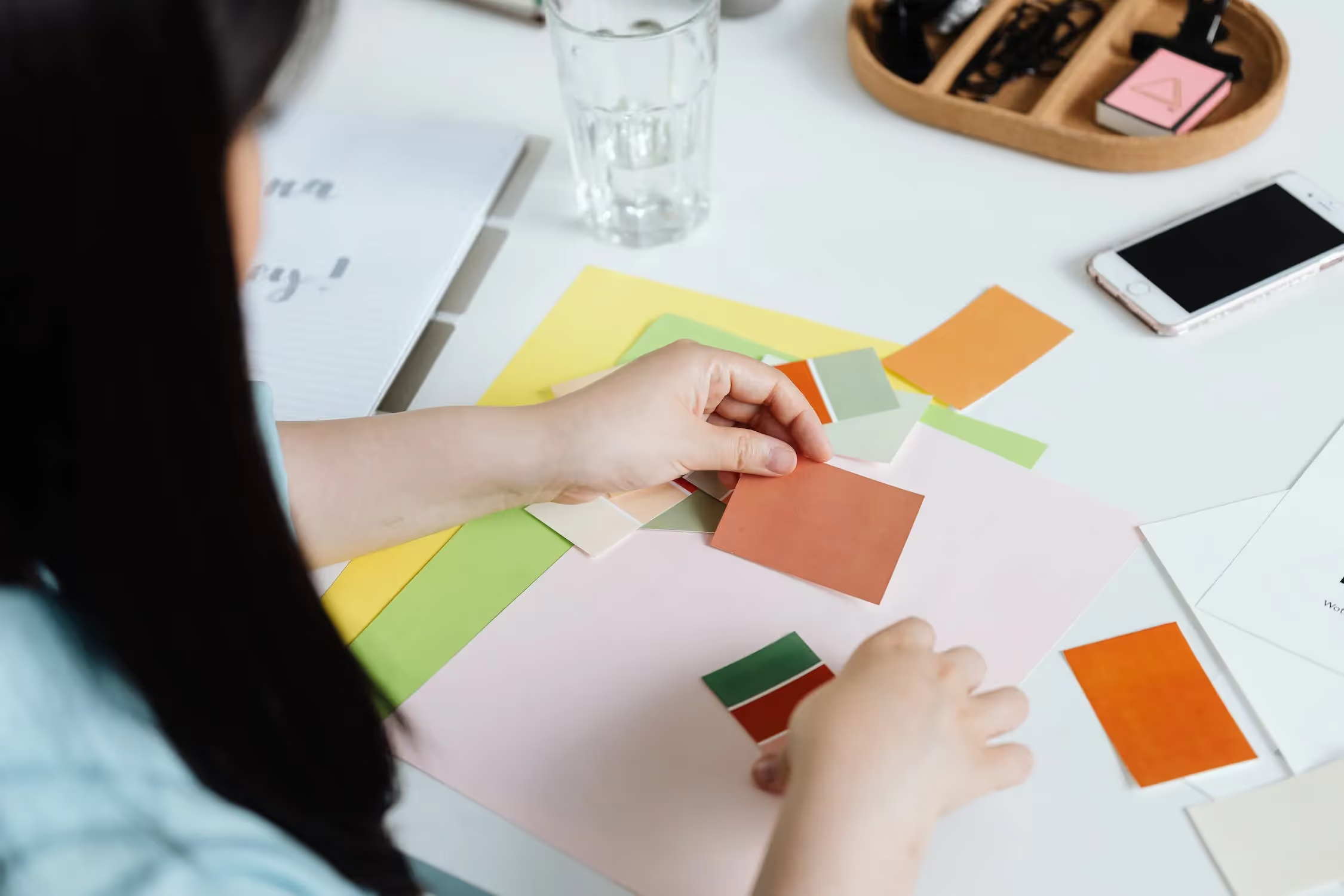
Color: The Powerhouse of Mood and Style in Home Design
Color sets the tone. The right palette creates a special atmosphere. Picking interior color schemes influences everything from energy levels to perceptions of size. When choosing a color for a room, consider its use—and the mood you wish to create.
- Warm colors (reds, oranges, yellows) promote coziness and excitement.
- Cool colors (blues, greens, purples) bring a sense of calm and relaxation.
- Neutral colors (whites, beiges, grays) provide balance and timeless appeal.
Balance bold accent walls with neutral backgrounds. This prevents visual overwhelm and makes colorful objects pop. For small spaces, light colors expand the feel, while darker ones create intimacy.
Color also impacts resale value and appeal. Thoughtful combinations can make a home look on-trend and welcoming.
Tips for Using Color in Interior Decorating
- Use complementary colors for energy or harmony.
- Test paint samples under natural and artificial light.
- Repeat accent colors in decor items to unify the look.
- Try gradients and ombre walls for added dimension.
Texture: Adding Depth and Sensory Appeal
Texture in interior design is about how things feel or look like they would feel. Mixing textures adds depth and keeps rooms from looking flat. Visual and tactile textures both matter when making spaces dynamic.
- Soft textures (plush rugs, velvet curtains) create warmth and comfort.
- Hard textures (glass, metal, stone) offer sleekness and modern style.
- Natural textures (wood, linen, jute) bring in a cozy, organic element.
- Layered textures (pillows, throws, wall coverings) introduce interest and complexity.
Combining textures makes spaces inviting. In living rooms, mix leather furniture with a fuzzy throw and woven basket. In bedrooms, pair smooth bedding with a chunky knit blanket.
Texture is also key in minimalist design. Even when you stick to a simple color palette, different textures prevent the room from feeling sterile or cold.
How to Incorporate Texture into Your Home
- Vary materials (metal, wood, ceramic).
- Mix glossy and matte surfaces.
- Layer fabrics with different feels.
- Add interest with textured wallpaper or paint.
Form: Shaping Space and Defining Structure
Form, or shape, refers to the physical outline and structure of furniture, decor, and architectural details. Forms can be geometric (square, circular, angular) or organic (curved, flowing, natural lines). Form dictates flow and helps organize visual weight in your space.
- Geometric forms (rectangles, circles, squares) evoke stability and order.
- Organic forms (waves, arches, free-form) appear soft, inviting, and dynamic.
- Mixed forms (blending shapes) add playfulness and visual intrigue.
Balance is key. Too many bold or unusual forms can create chaos. Use statement pieces sparingly. For example, a round coffee table softens sharp lines, while a sculptural light fixture becomes a focal point.
Form also influences traffic flow and functionality. Arrange furniture to create natural paths and zones. This encourages comfortable movement and helps the space work better for daily use.
Practical Ways to Use Form in Interior Layouts
- Anchor seating areas with a central form, like a sofa or table.
- Repeat shapes in artwork, lighting, and accessories.
- Blend strong lines with gentle curves for harmony.
- Use architectural features, like arches or built-ins, for visual interest.
Bringing It All Together: Balance and Harmony
Exceptional interior design happens when color, texture, and form come together in balance. No single element should overwhelm the others. If the room feels right, you’ll want to spend more time there.
- Start with a neutral base and layer in color, texture, and form.
- Edit and rearrange until you achieve a sense of flow and cohesiveness.
- Use repetition to create unity and contrast for excitement.
Remember, these principles apply to any style—whether traditional, modern, rustic, or eclectic. Experiment to see what makes each space feel unique to you and those who live in your home.
Frequently Asked Questions
What are the main elements of interior design?
The main elements of interior design are color, texture, form, space, light, and pattern. Color, texture, and form are essential for shaping mood and appearance.
How does color affect interior spaces?
Color affects mood, energy, and the perception of space. Warm colors add energy, cool colors create calm, and light colors make rooms look larger.
Why is texture important in interior design?
Texture prevents spaces from looking flat. It adds depth, interest, and comfort, making rooms feel more inviting and lively.
How can you use form when designing a room?
Form guides how you arrange furniture and decor. Mixing geometric and organic shapes adds balance, flow, and visual appeal.
What is the best way to create balance in a living room?
Balance color, texture, and form by layering elements, repeating shapes and hues, and arranging furniture for easy movement.




.svg)


